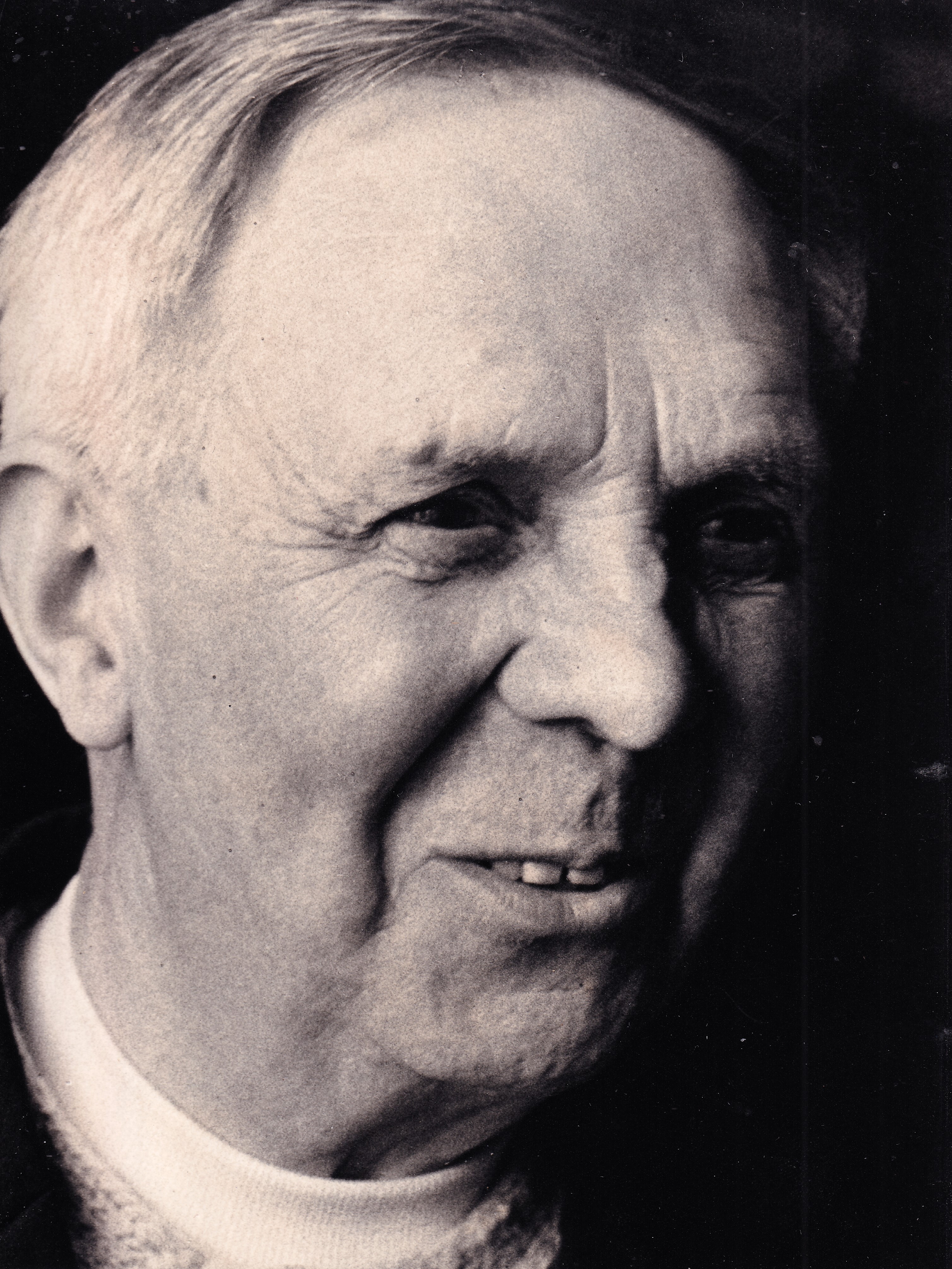
Jiří Fuchs

* 1947

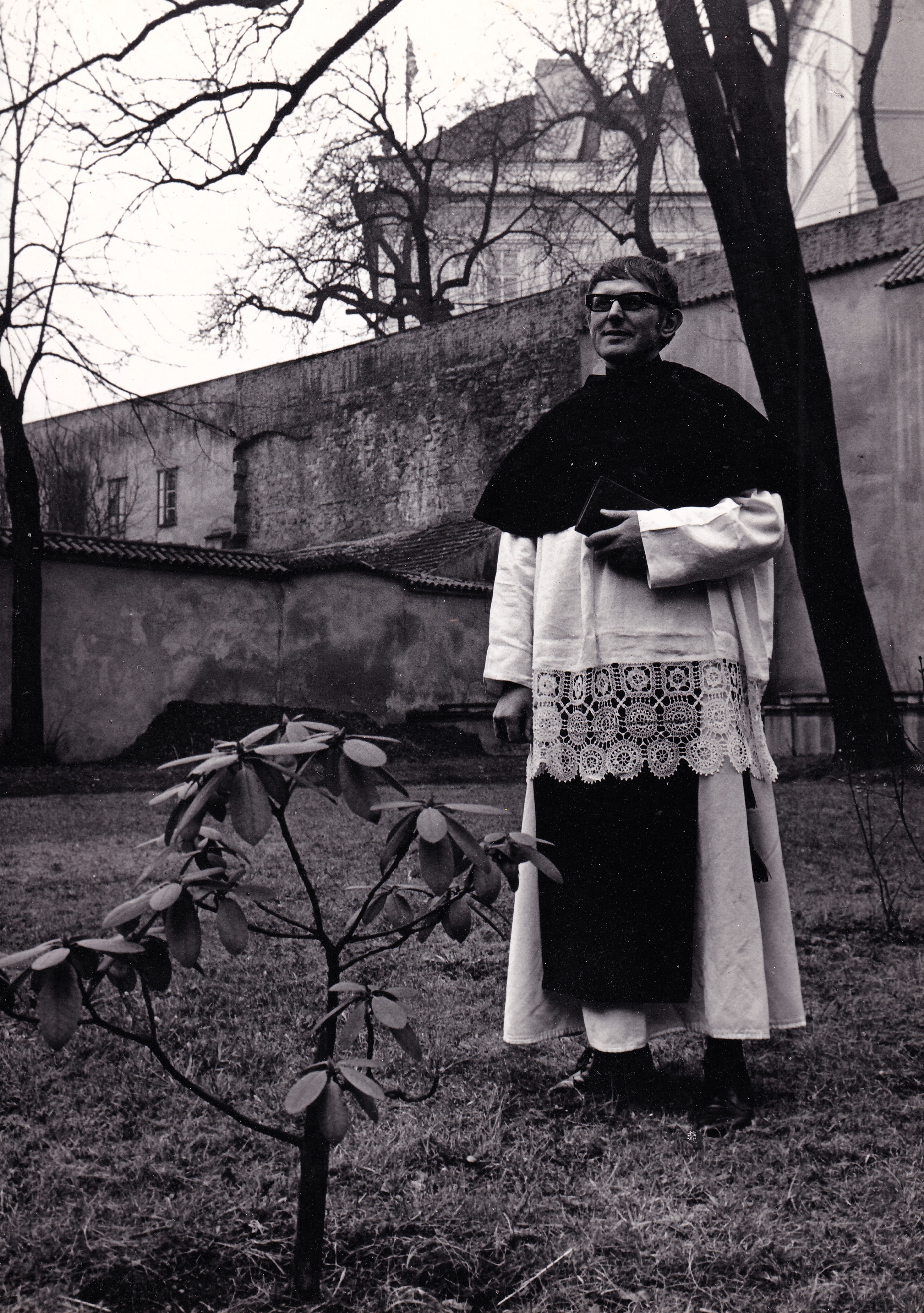
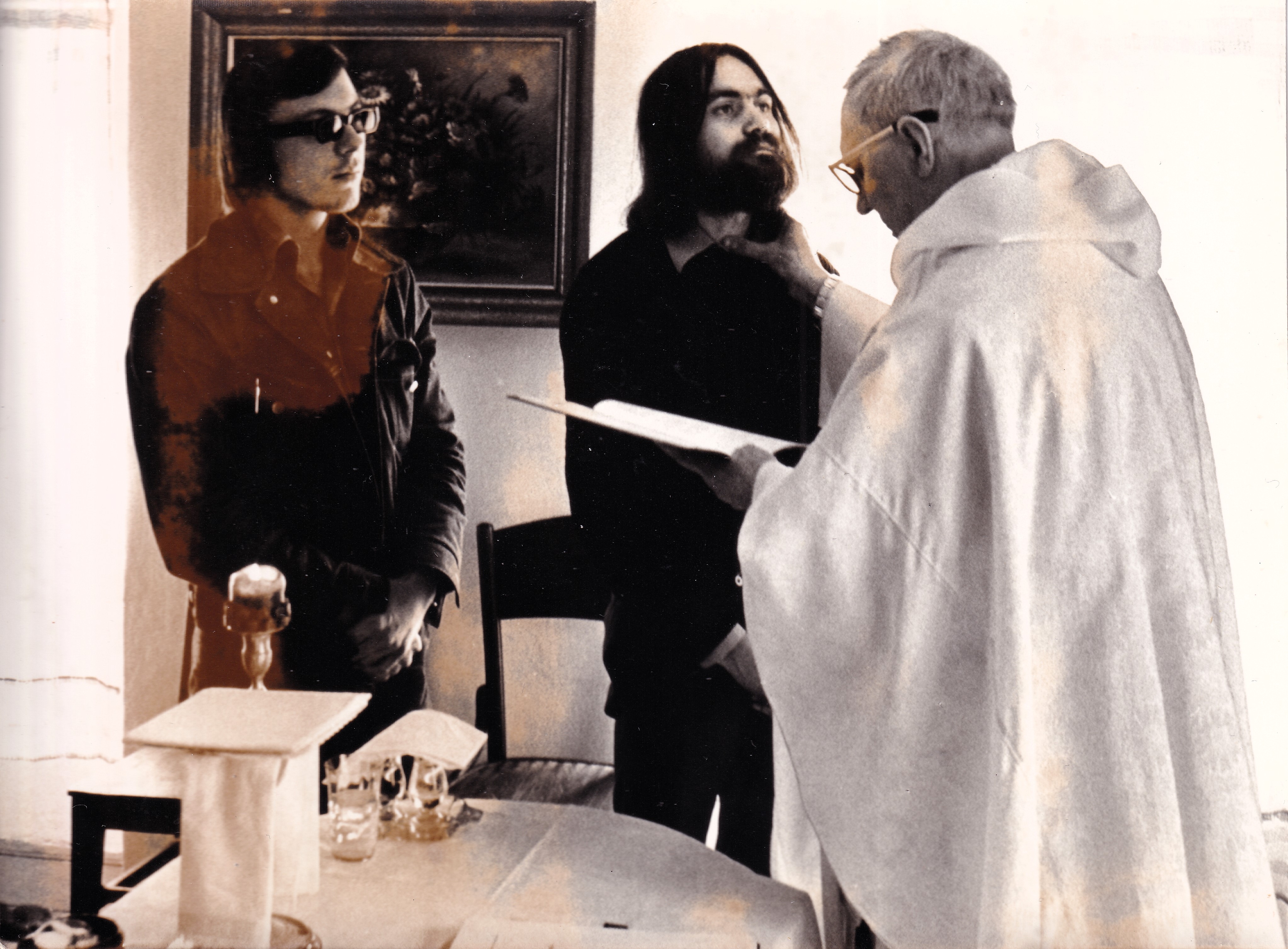
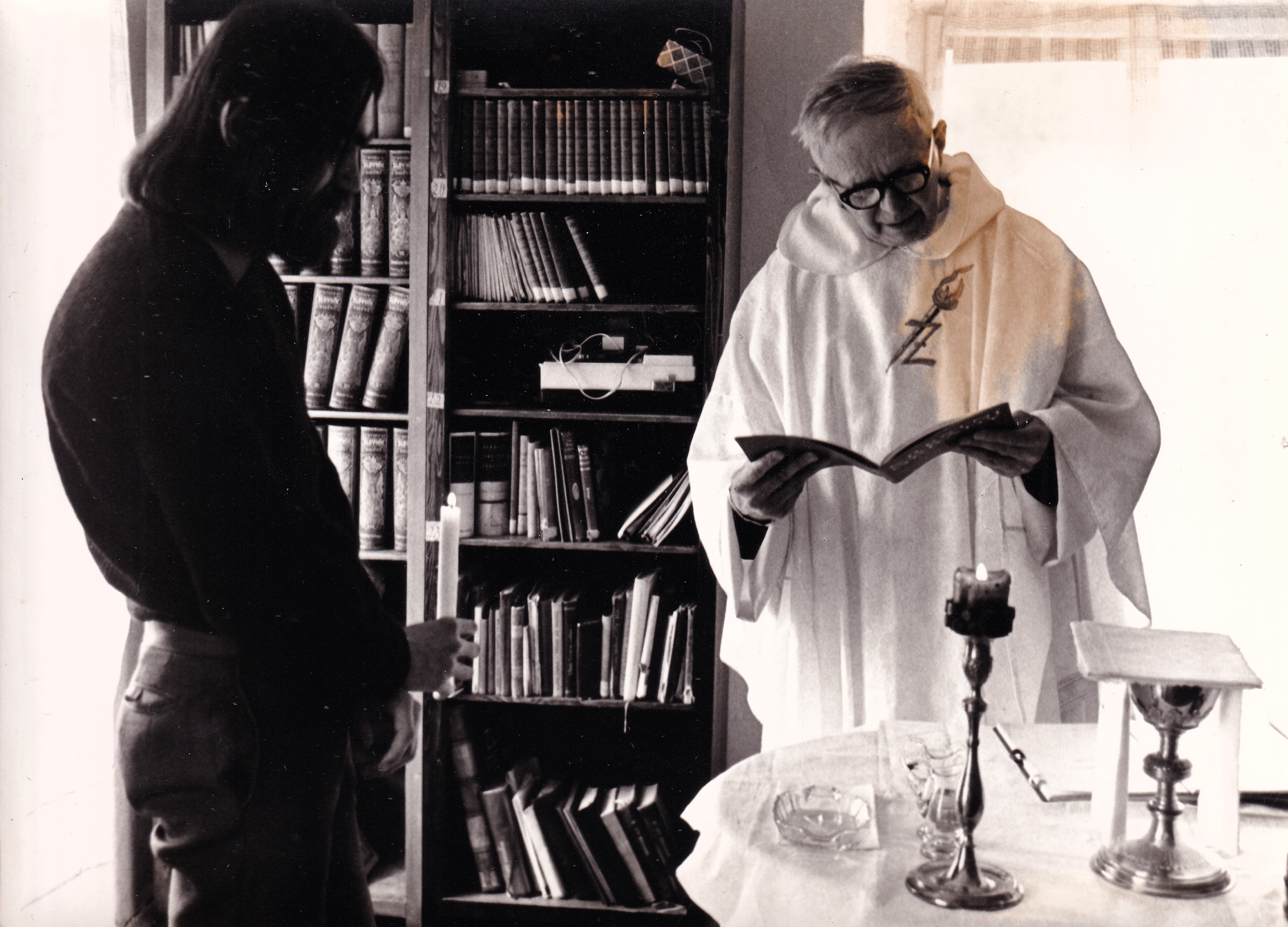
  • "Father Methodius received me generously and encouraged me to continue. So I had already done some studying. He was happy about it, I think, because it was not very common in the wilderness at that time for someone to be involved in Thomism, especially from my generation. And I know I was a bit angry with him, I was a bit of a nag, I would have behaved differently today. But I'm very grateful to him for confirming to me as a professional that what I was doing was not something crazy or arbitrary. That's how I understand it, that now I've got confirmation to keep doing it."

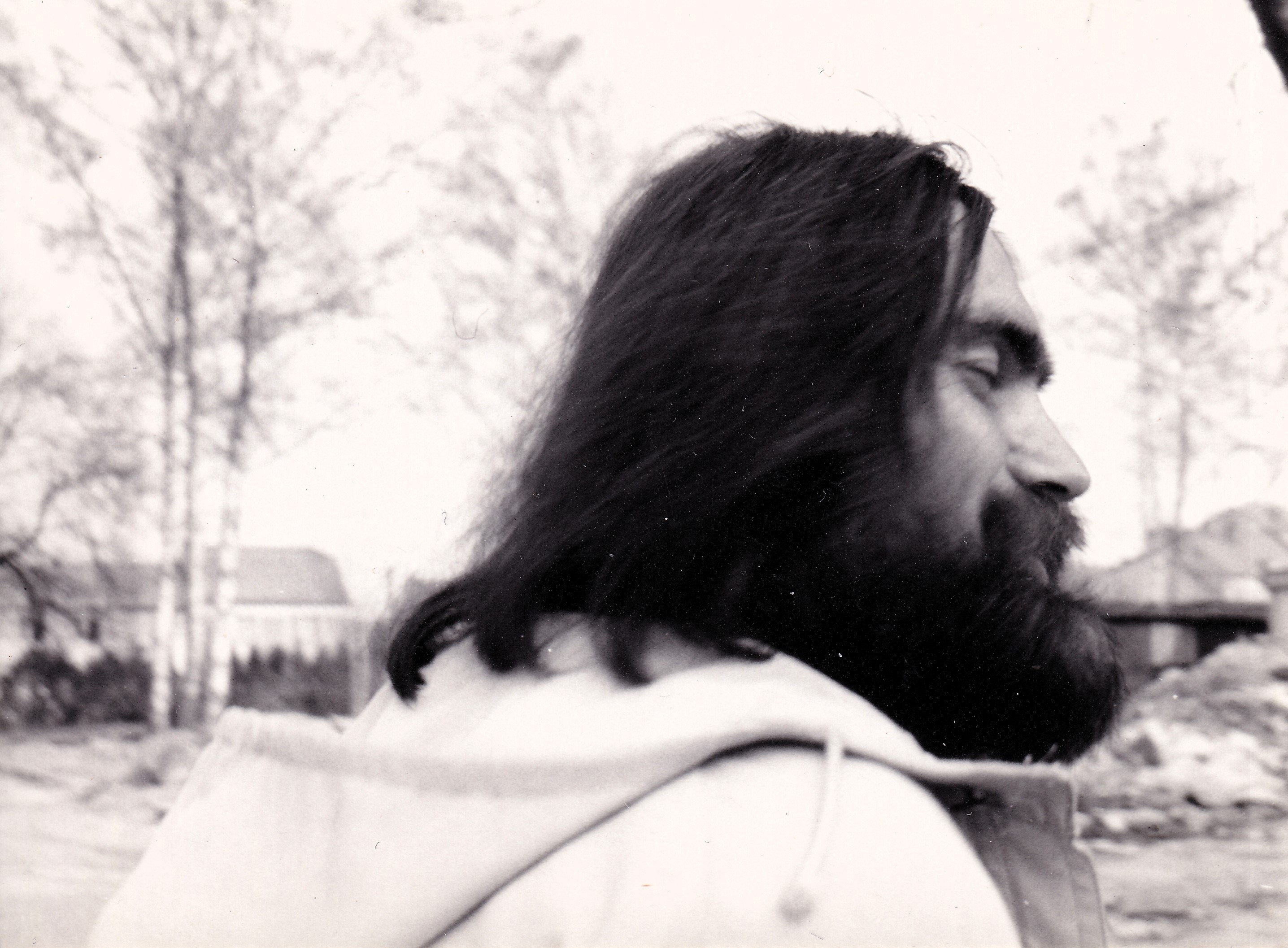
  • "I joined Charity after the war as a warehouse worker. And there, fortunately, I met a Cistercian, not a priest, but he was from the Cistercian background in Rumburk, and he opened my eyes in a way that I still appreciate. He didn't agitate at all, he wasn't even an intellectual, but the way he behaved, without pretense, he was interested in the other person, I didn't know that. That was a great surprise to me, that it was possible to relate humanly in a completely different way than I was used to. I was a bit conflicted when I dropped out of that school, so I joined the Máničky (men with long hair), as they used to say, in protest. That actually kind of stuck with me."

  • "In Klatovy, two whole years with the tank corps. And as a cherry on top, at the end we were doing circular defense of the barracks in tanks — against intruders. Who might that have been in ’68...? But it didn’t last long, right? I appreciated that at the time. I couldn't stand those bigwigs — the colonel in charge of the barracks... I hated them. Especially the lower-ranking officers — they were trained to be harsh and unpleasant. You just couldn’t stand them — honestly, I’d say I hated them. But what I did appreciate was that when the Russians came — and they were all die-hard communists — the commander of our regiment actually apologized to us. In front of the whole formation, he expressed his bitterness. And I respected that."

  • Celé nahrávky
  • 1

    Praha, 05.02.2025

    (audio)
    délka: 01:30:45
    nahrávka pořízena v rámci projektu Stories of the 20th Century TV
Celé nahrávky jsou k dispozici pouze pro přihlášené uživatele.

Let‘s not be naive for the first time, let‘s try to look at the things of life from deeper positions
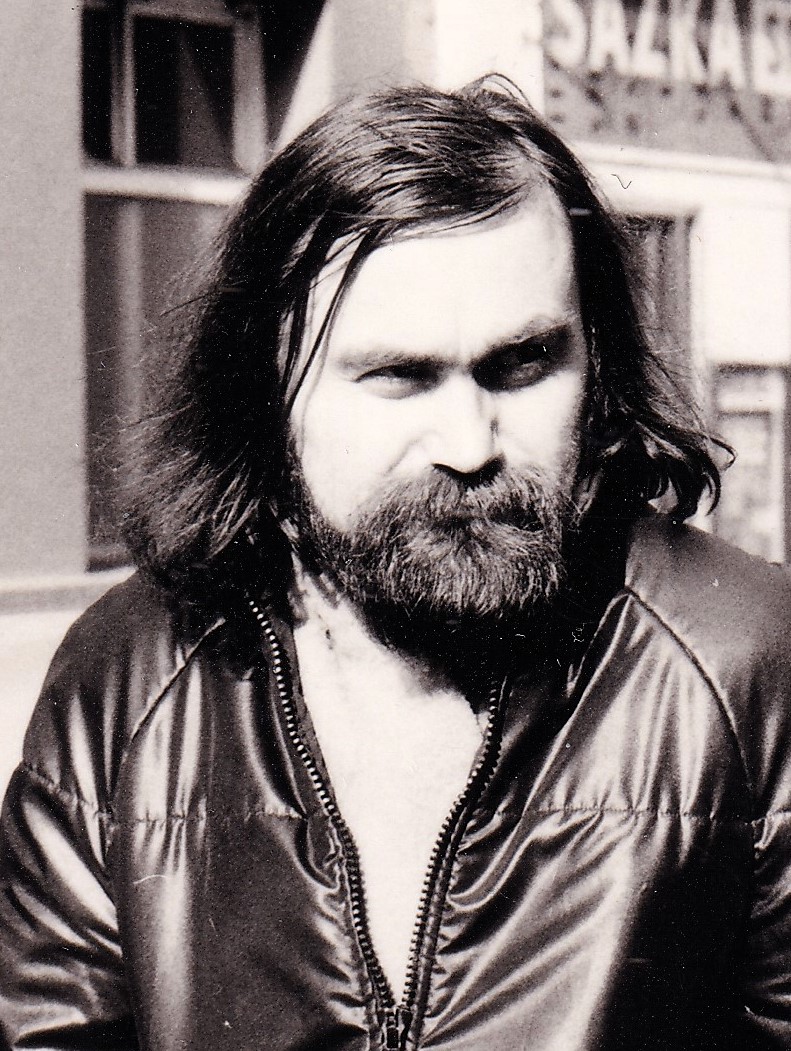
Jiří Fuchs
Jiří Fuchs
zdroj: Archive of the witness

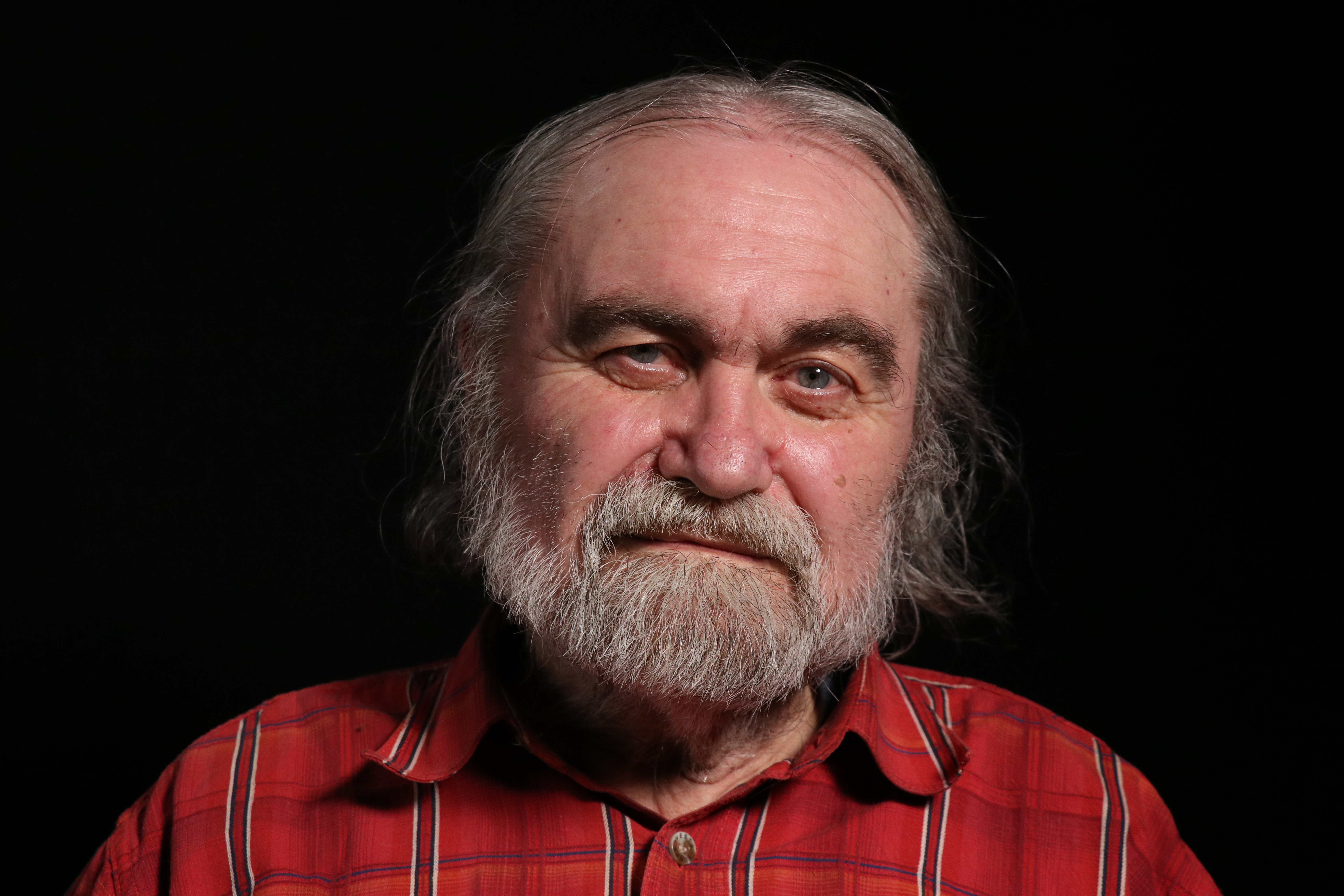
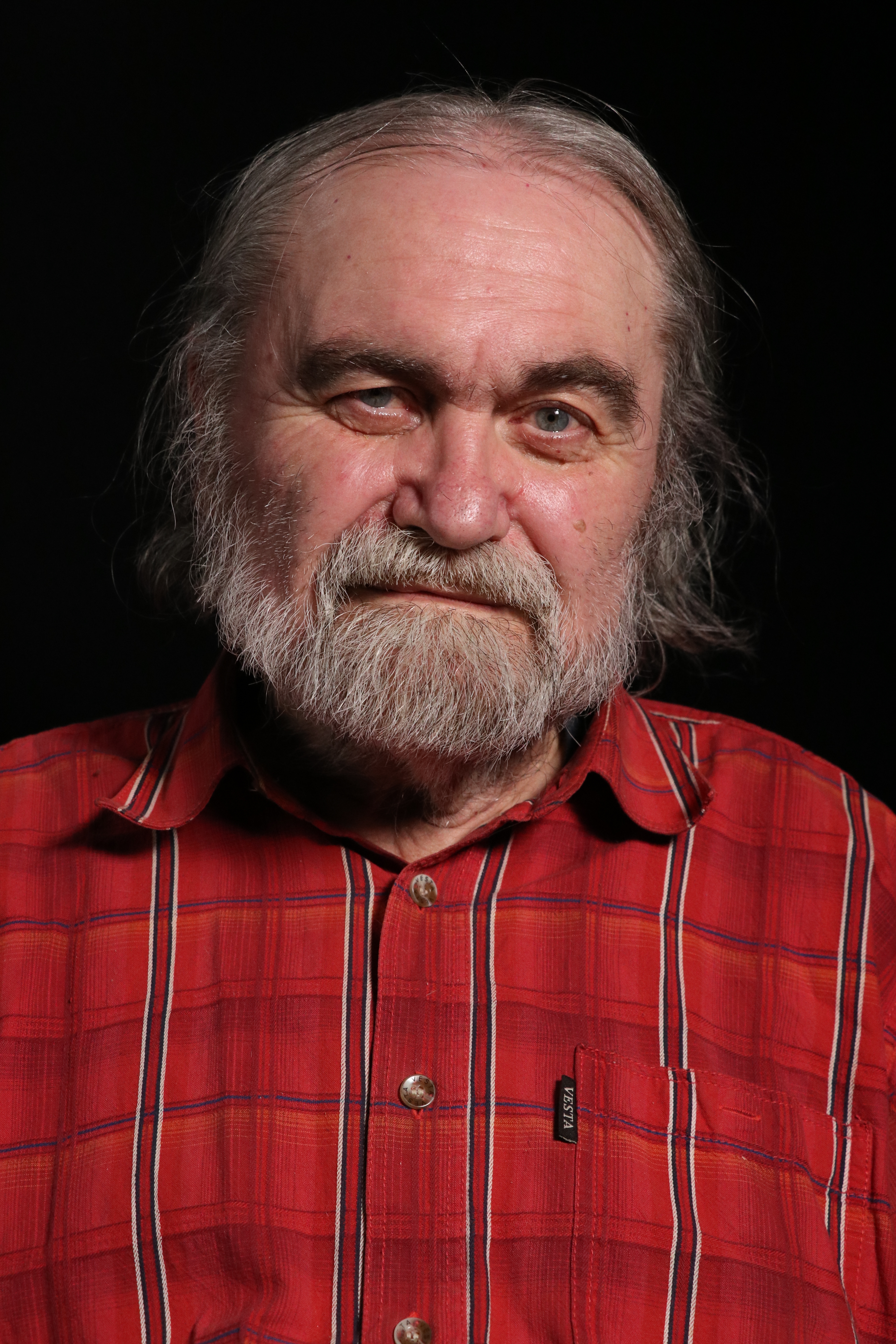
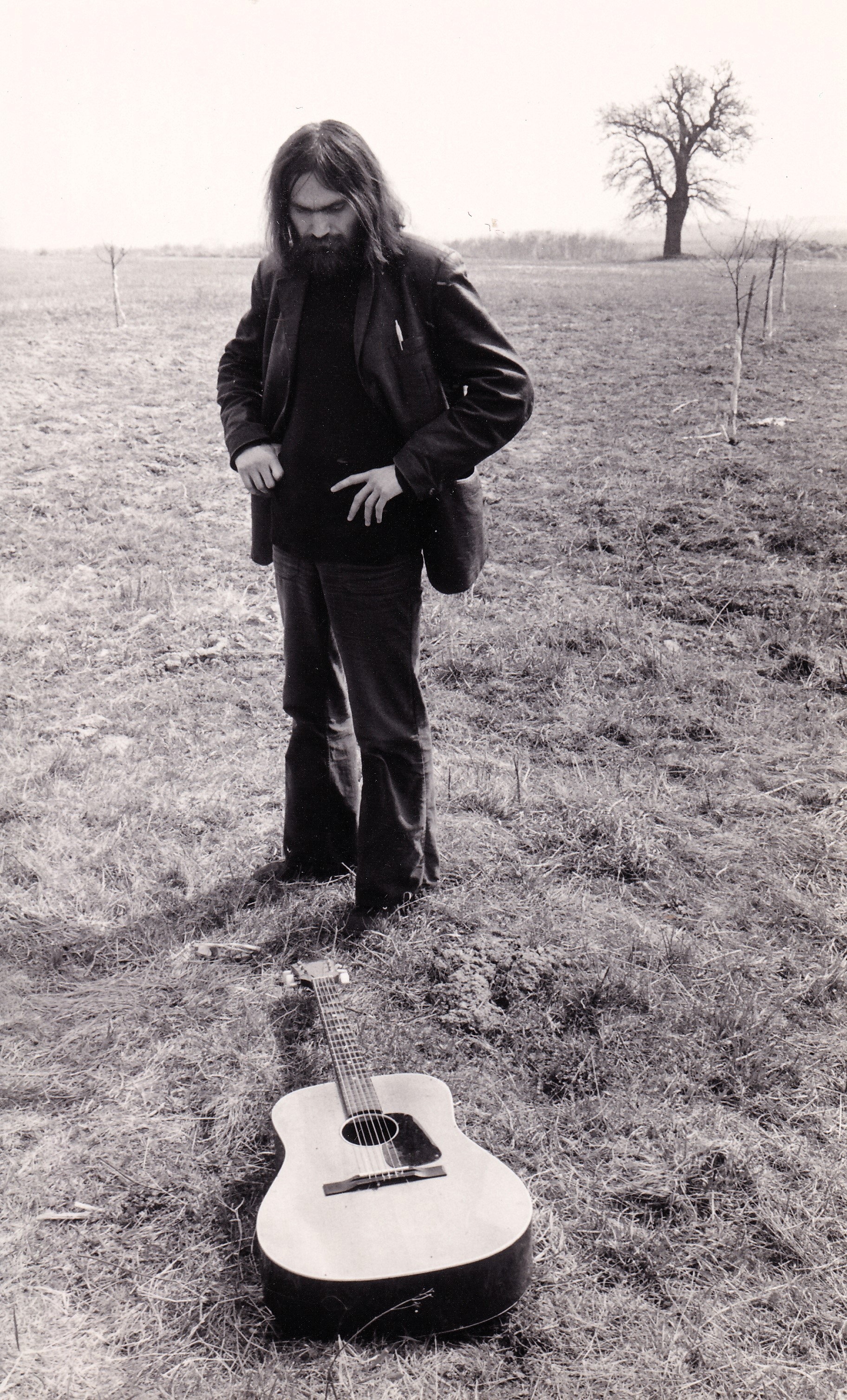
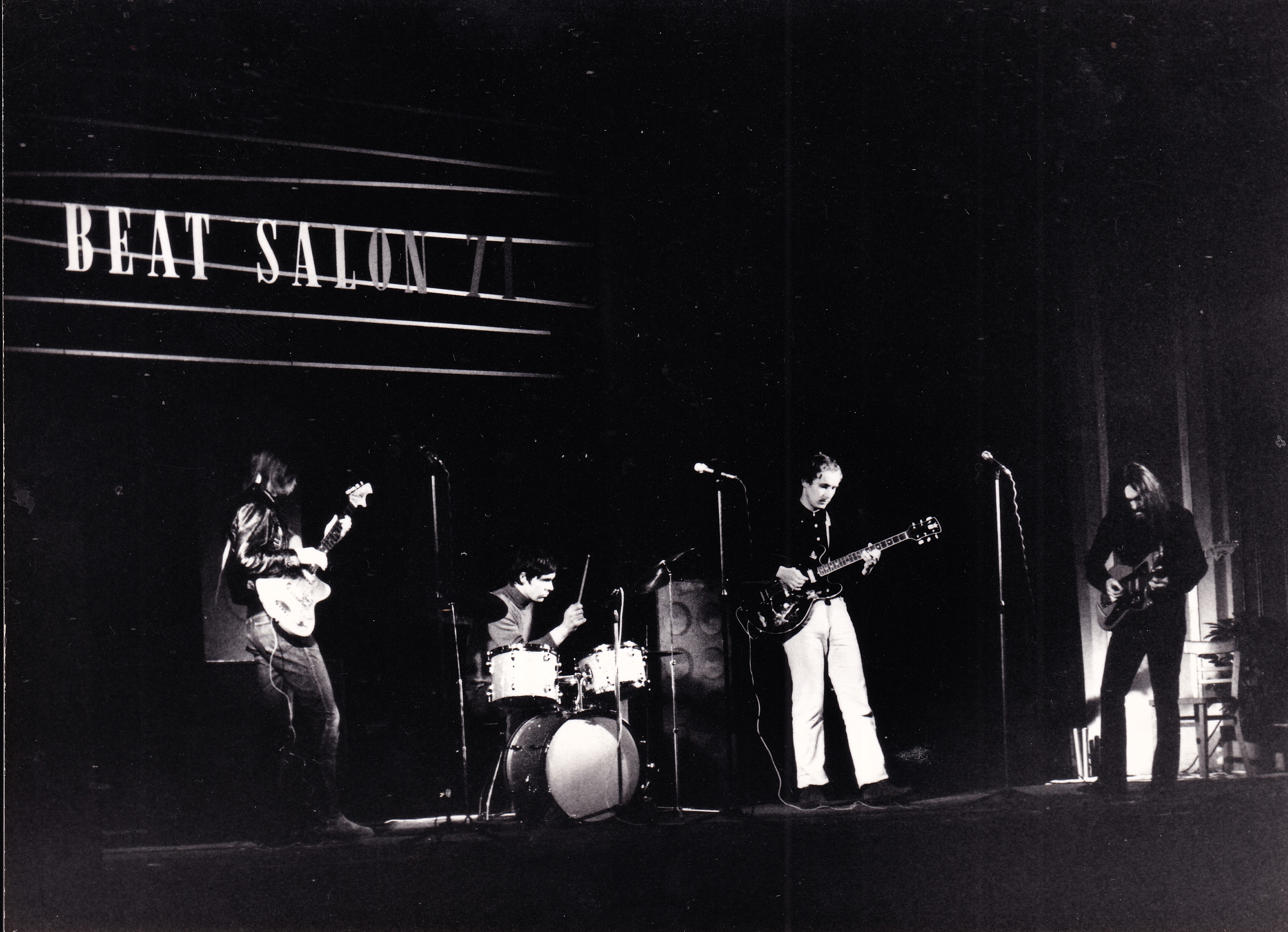
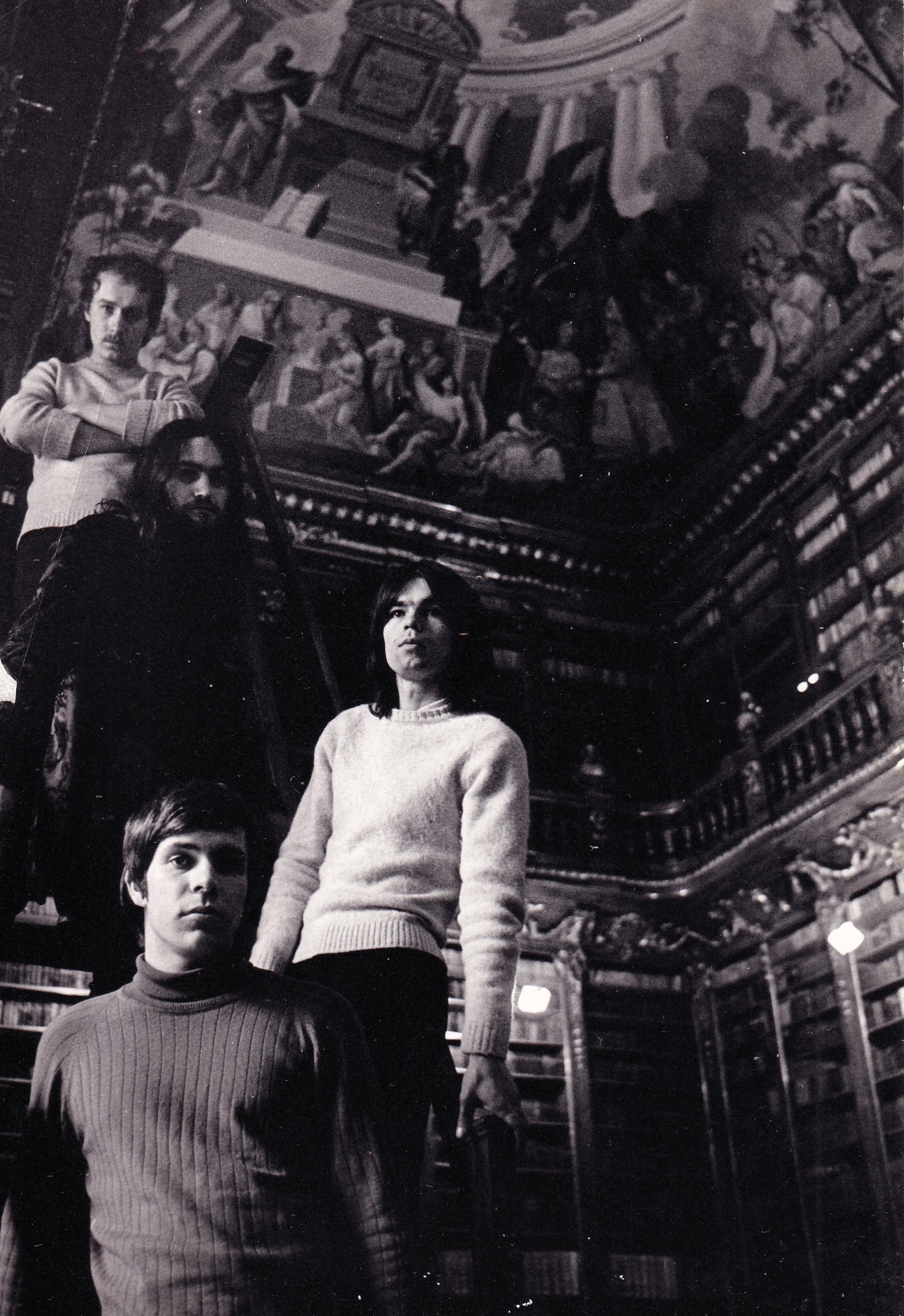
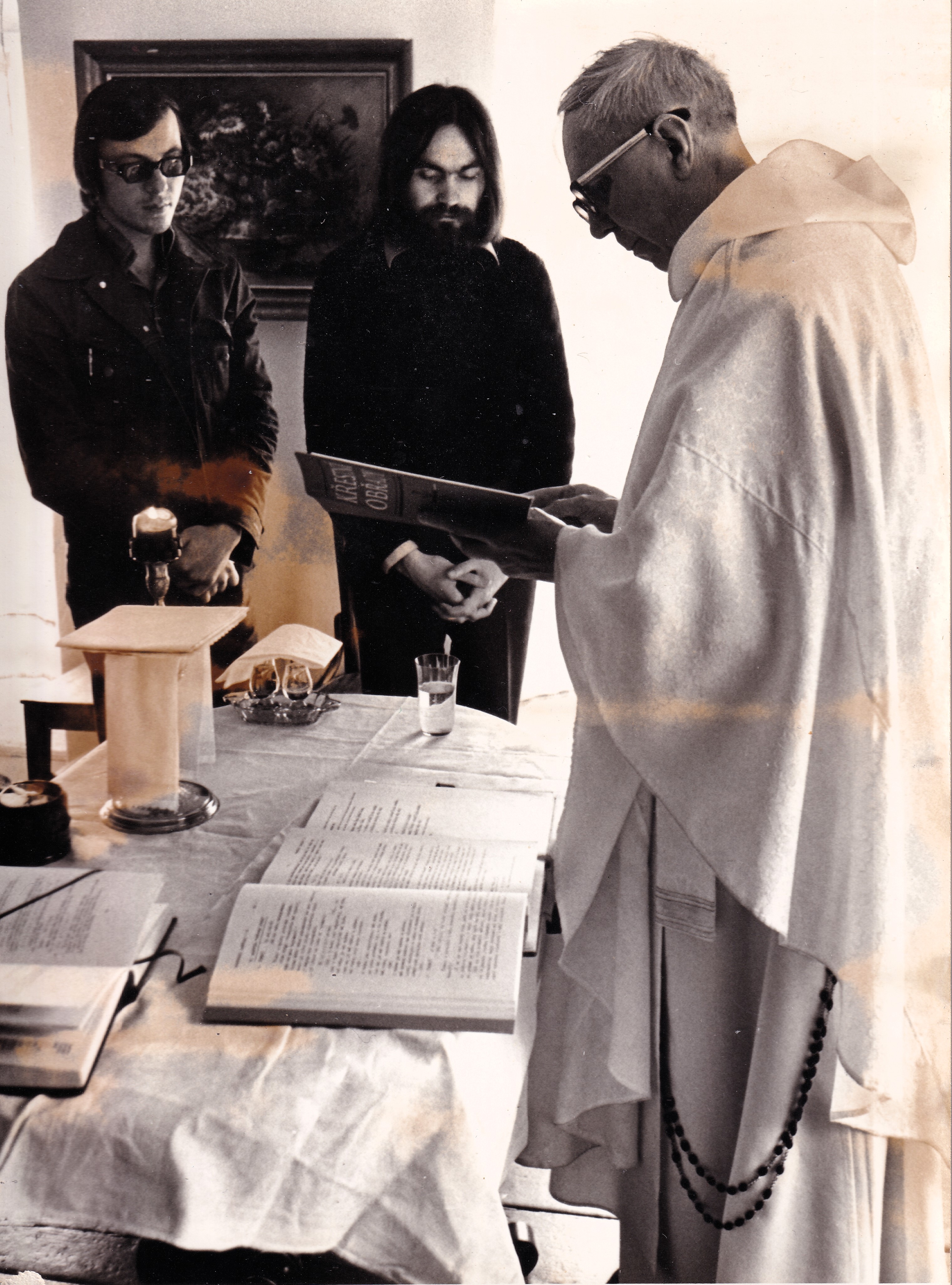
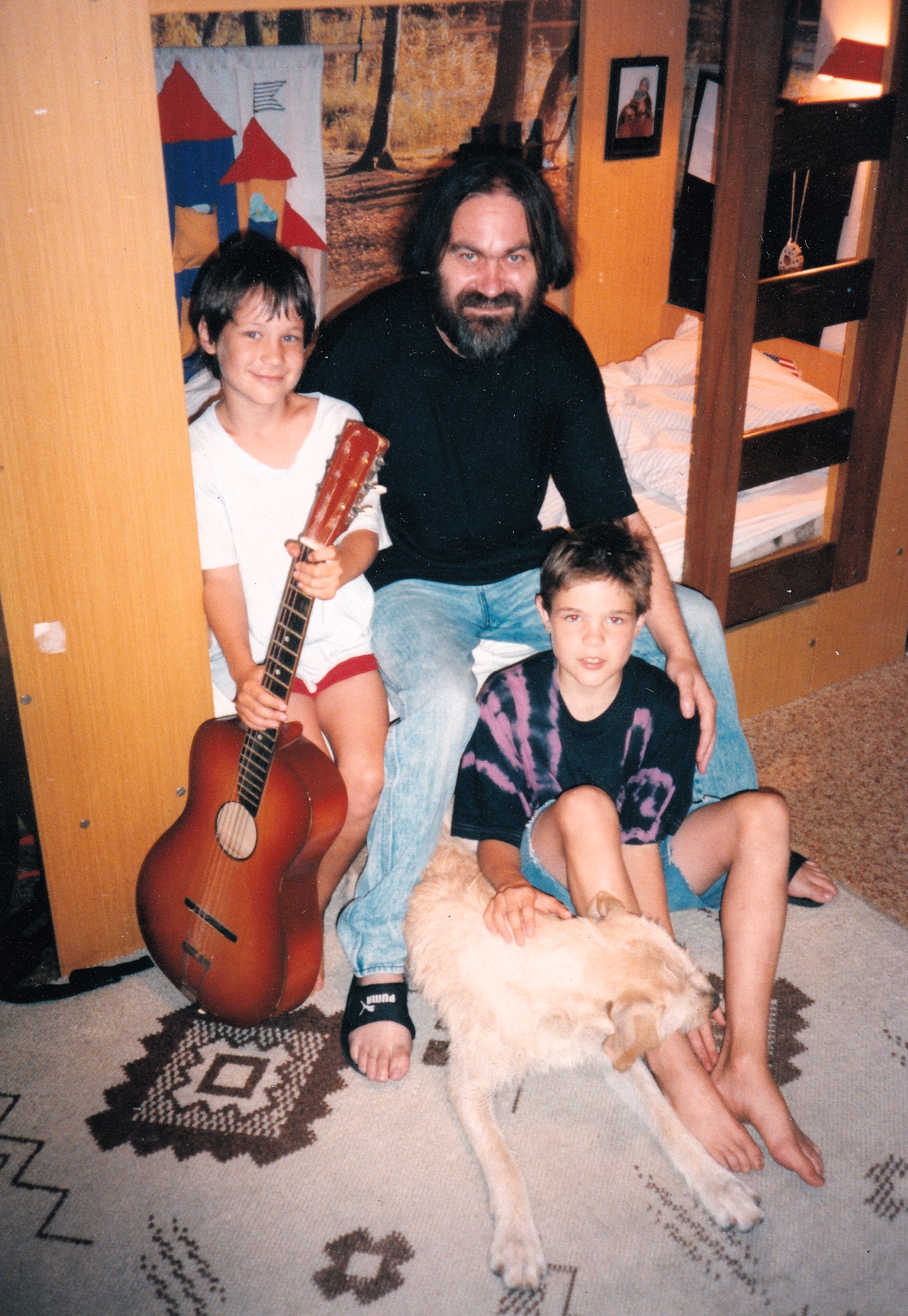
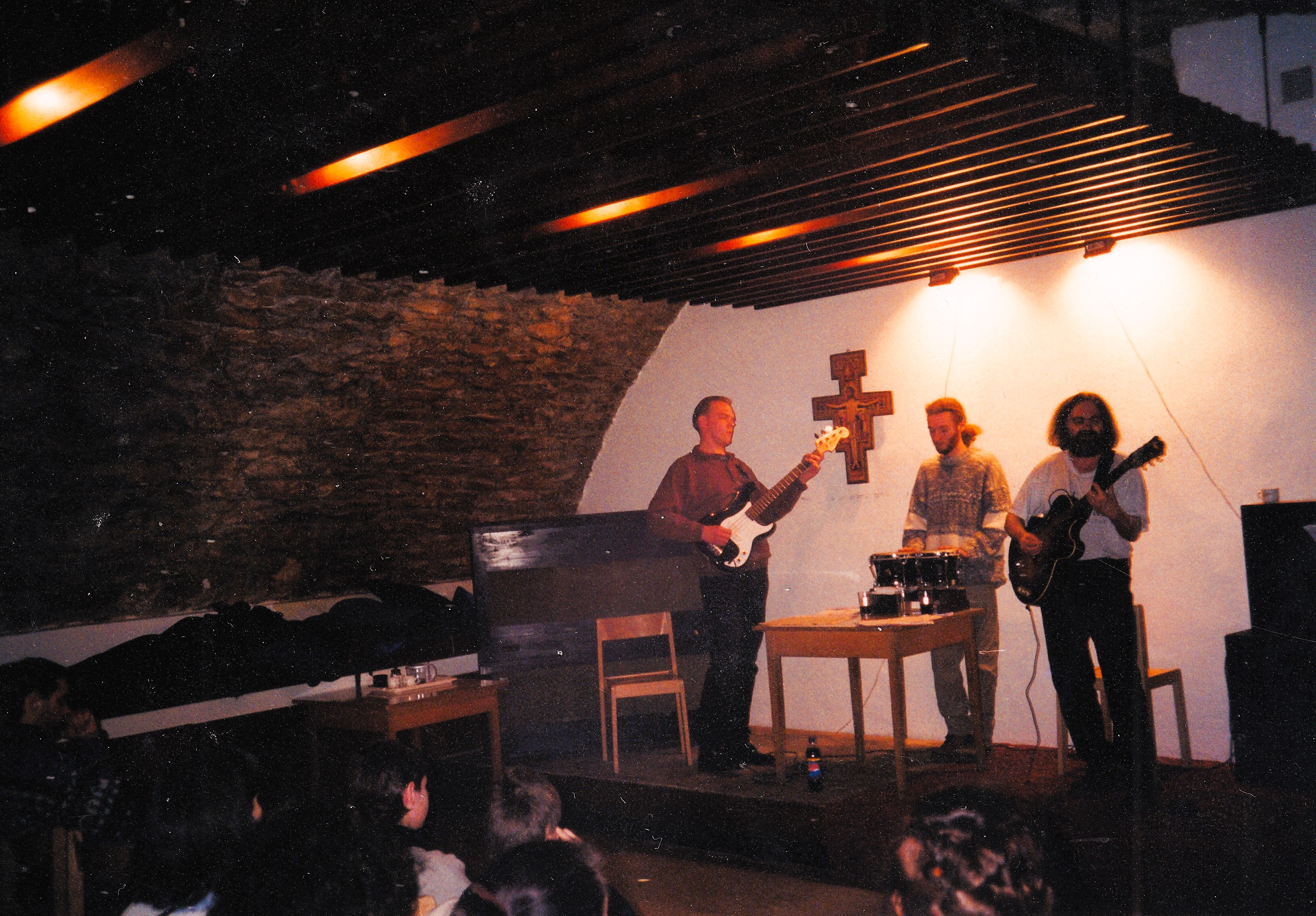
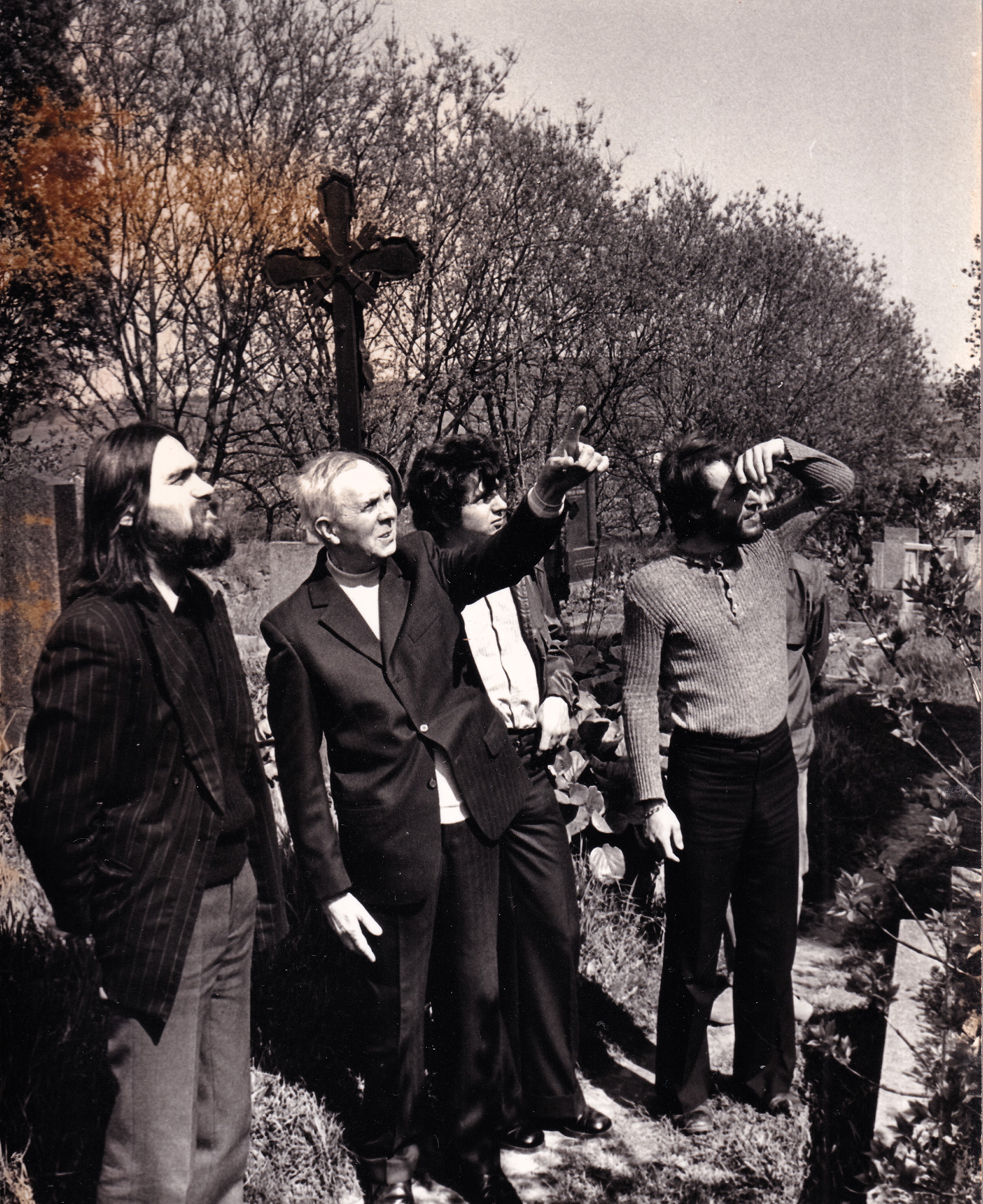
Jiří Fuchs was born on October 25, 1947 in Žatec as the third son of Luděk and Miroslava Fuchs. His father, a civil engineer, led his sons in his footsteps, but he graduated early from the construction industry and after military basic service, which he completed with tankers in Klatovy, he took a job as a warehouse keeper in Charity. He devoted all his spare time to his band Ad antikva and to the study of philosophy, which he completely fell into at that time. His meeting with the philosopher and writer P. Metoděj Habáň was crucial for him. The Dominican priest welcomed him into the community of the Catholic Church and became his de facto teacher. In the seventies and eighties, he served as a night watchman at the National Museum, which provided ample space for him to study and prepare for residential philosophical seminars attended mainly by university students. After the Velvet Revolution, he led philosophy courses at the Dominican monastery in Prague. As a critic of modern thought, he headed the editorial team of Distance, a journal of critical thinking, taught courses at Academia Bohemica, and collaborated with the Civic Institute. In 2025 he lived in Prague-Hloubětín.