"I had an exhibition at the Futurum Gallery, which was in the House of Industrial Culture in Smichov. The Ivan Vyskočil Theatre was also playing there. That was the first time one found a way of expressing oneself, but that's kind of stupid... And I know that in 1974 I also reacted to that time, with a black and red painting, probably this big, and it's preserved. It's a crucified jester and it's called "Bad Times."
"Let me put it simply. I got to know the Underground on Turbova. First of all, I went to class with the kids... ...and then they would all gather at Kulatá Bába and Klamovka. So I knew Mejla Hlavsa, Karásek and other people. Of course, you would support it, but because you were a bit of a stickler for classical music at that time and for these things, and I grew up on Mahler, Brahms, Penderecki, I don't know, Pierre Boulez, Schoenberg, you name it, so this just seemed like a bit of a pot-banging. So I've known these people since then and we like each other, or we should have liked each other, but for me personally, this was unacceptable. Because I was interested in music that had a shape to it, [where] you can turn something into an hour-long whodunit. So in the songs that we have, we also have a lot of sort of... Because I didn't want to do big songs from music at that time, but again, I thought I was going to do chansons or songs. The first kind of thing that came out of that, and I was still doing samizdat... and then it kind of changed. And that was me doing The Cry of the Haunted, which is one of the poems, or soubrettes, in Seifert's Plague Column. Or The Cry of the Ghosts, the old ghosts are dead, but new ones are born, etc. So it's pretty hard-hitting there. And the thing actually came about as if it's a song or a chanson, but it's actually not. It's about ten minutes long and it goes into spoken and semi-sung... kind of a weird Sprechgesang and it still works to this day."
"So I think that my father, who was after all from a bourgeois family, probably enjoyed it a bit, I mean from the point of view of the state, not so much for sure. And I didn't know about politics until 1968. Except for one little thing. They said that when I was in a pram and they were taking me around Petřín Hill, where the Květnice is by the observatory, suddenly a man and a lady came up to the pram and leaned over. `What a cute boy!` he said. And the gentleman was President Antonín Novotný. That's how I came into contact with politics - not otherwise."
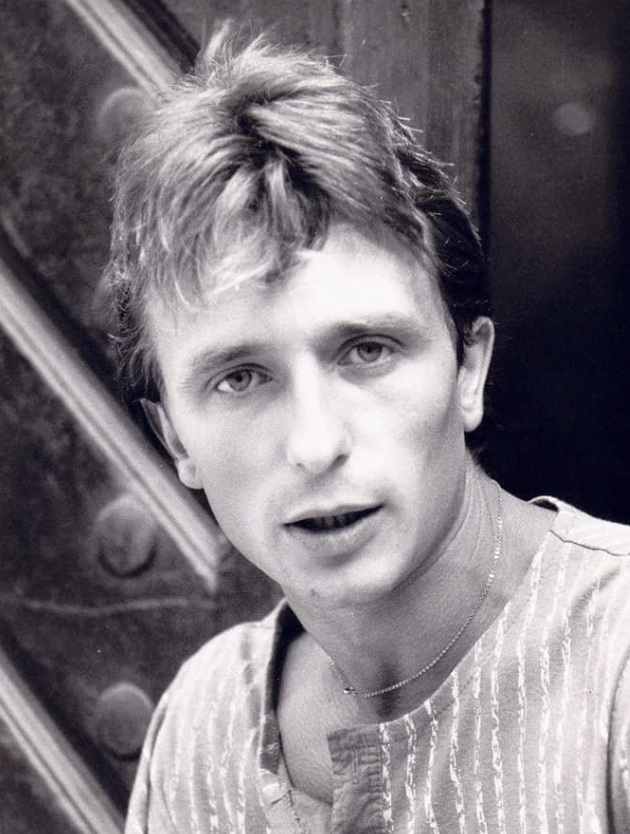
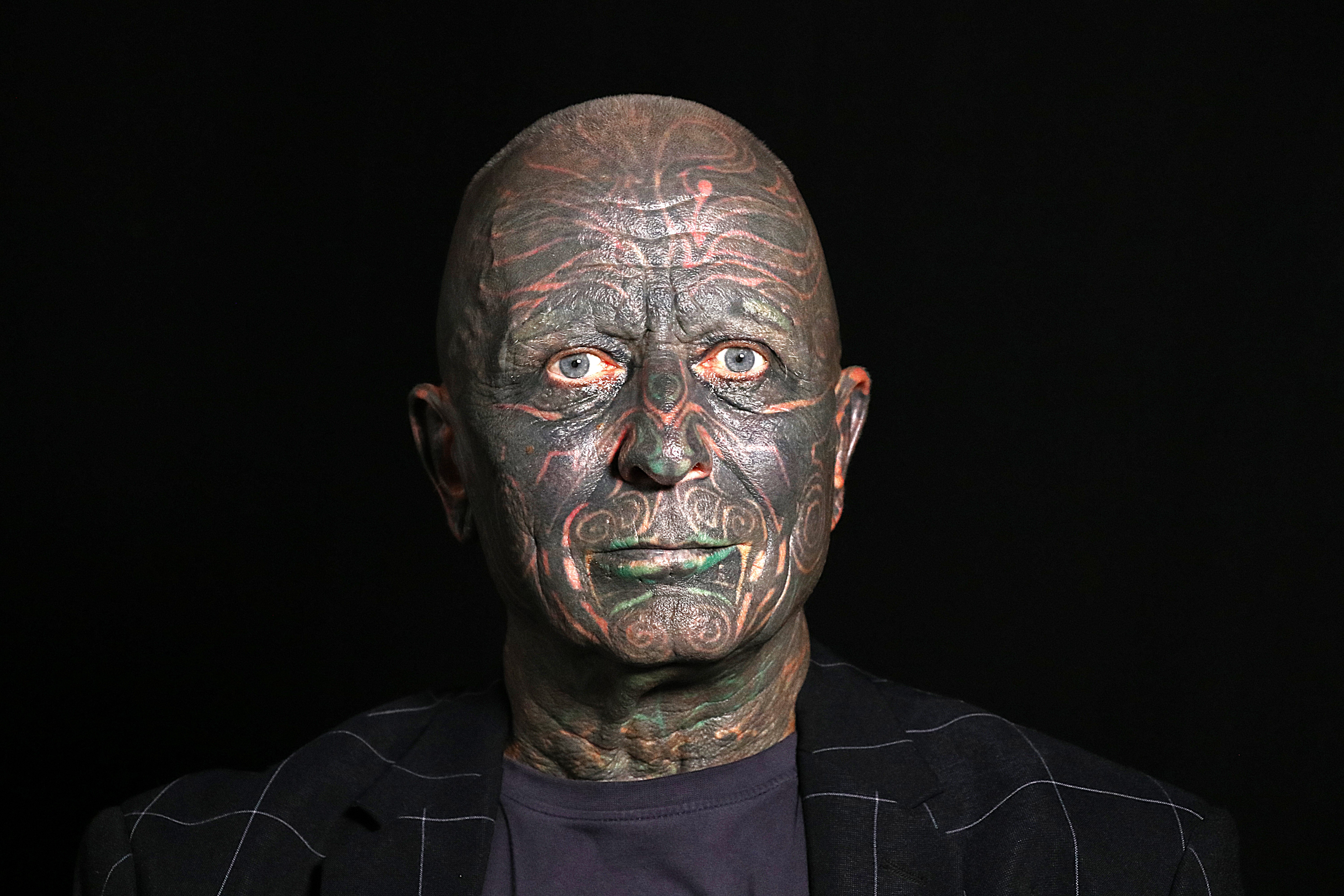
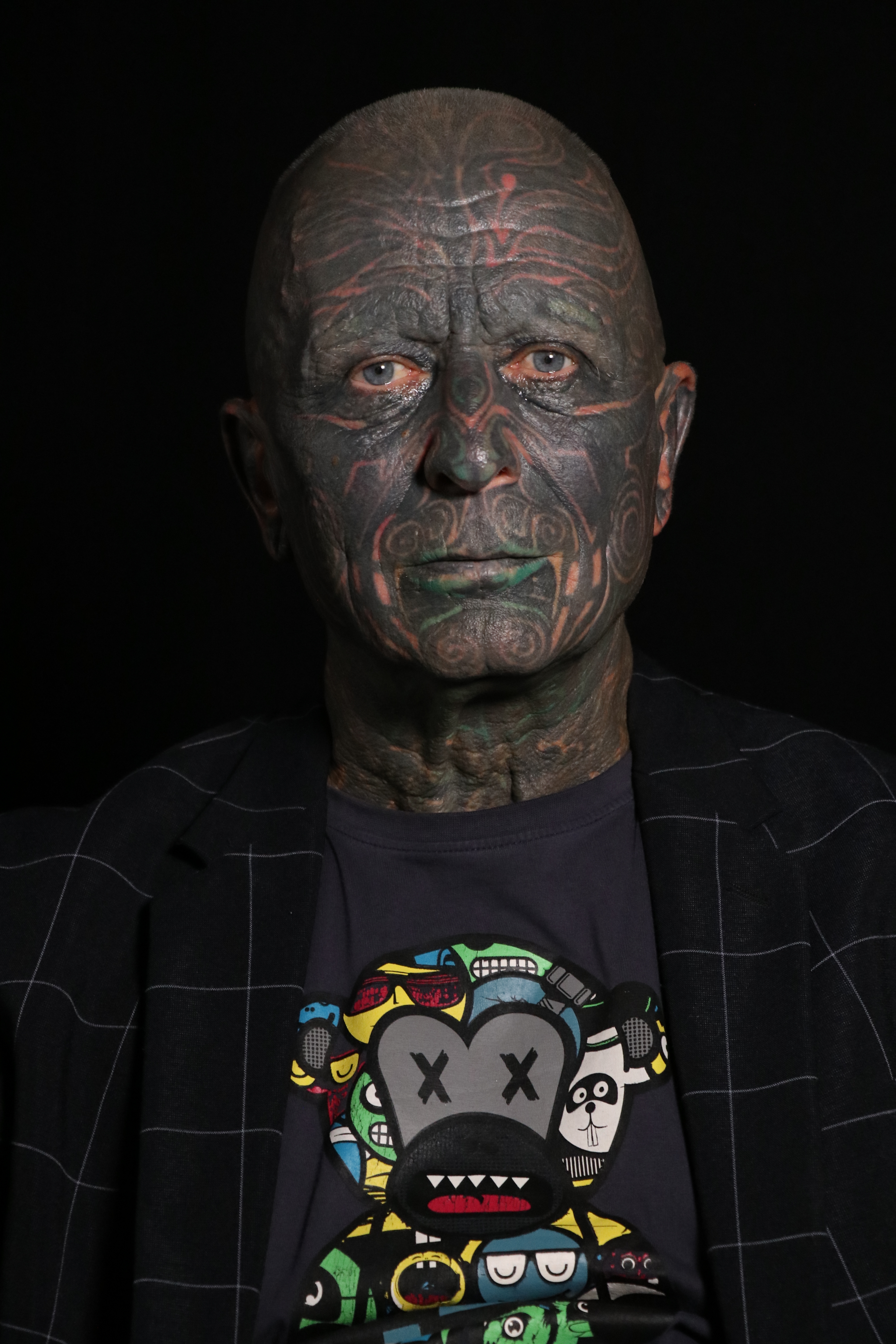
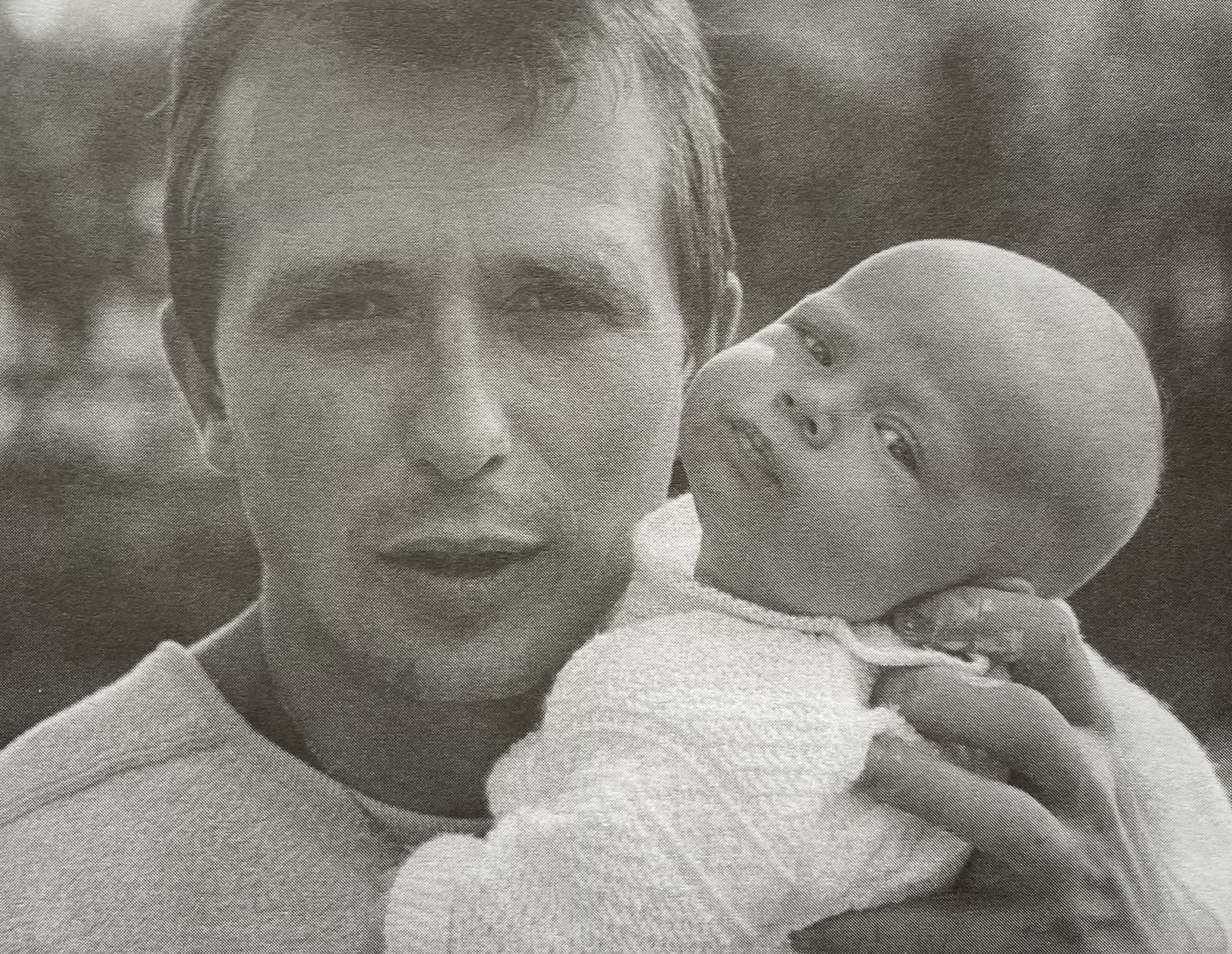
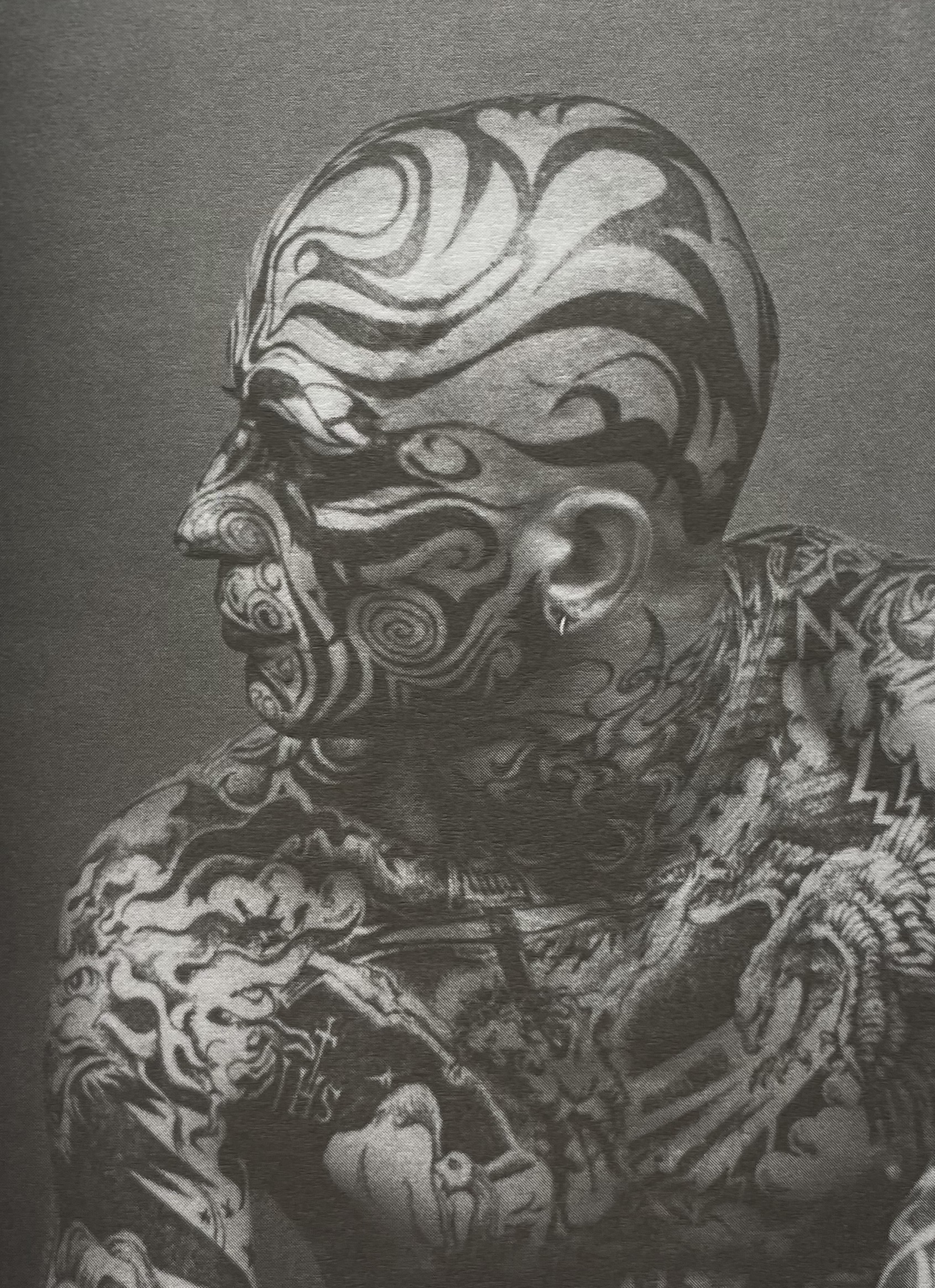
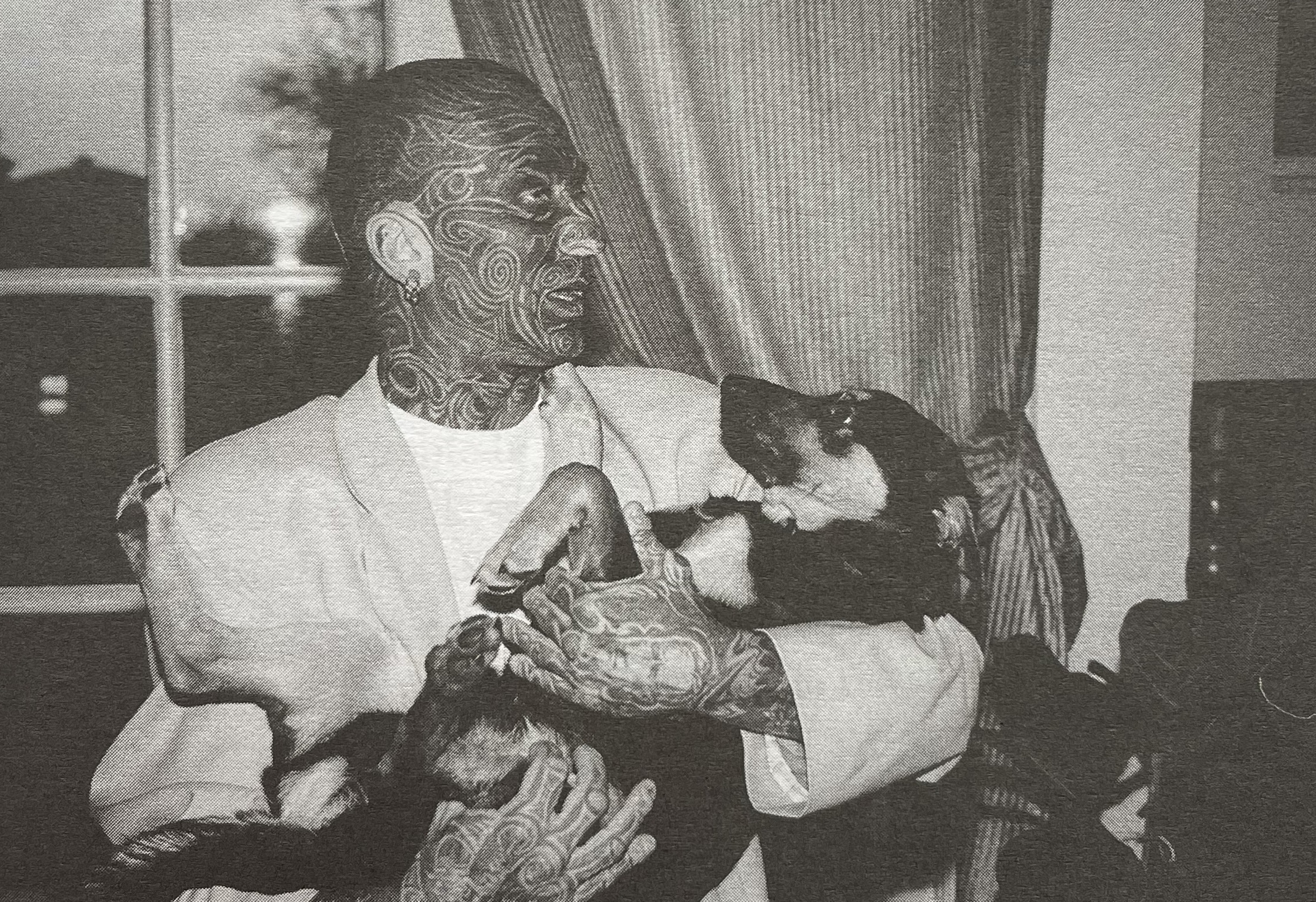
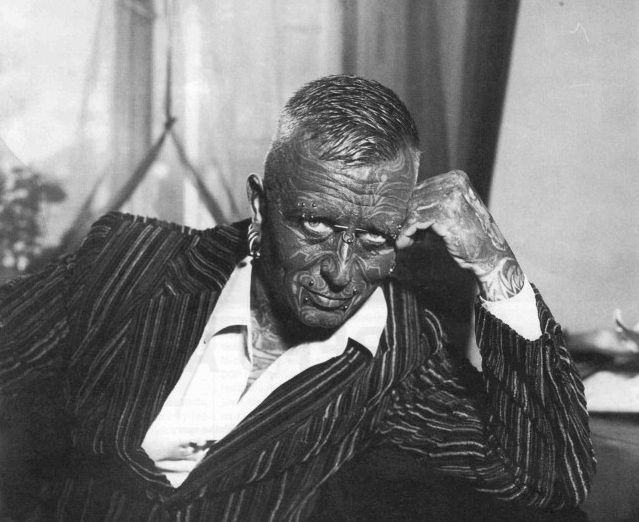
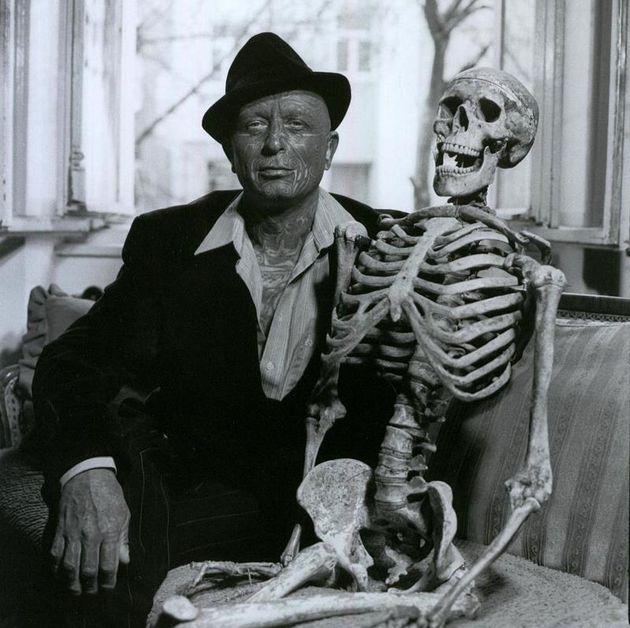
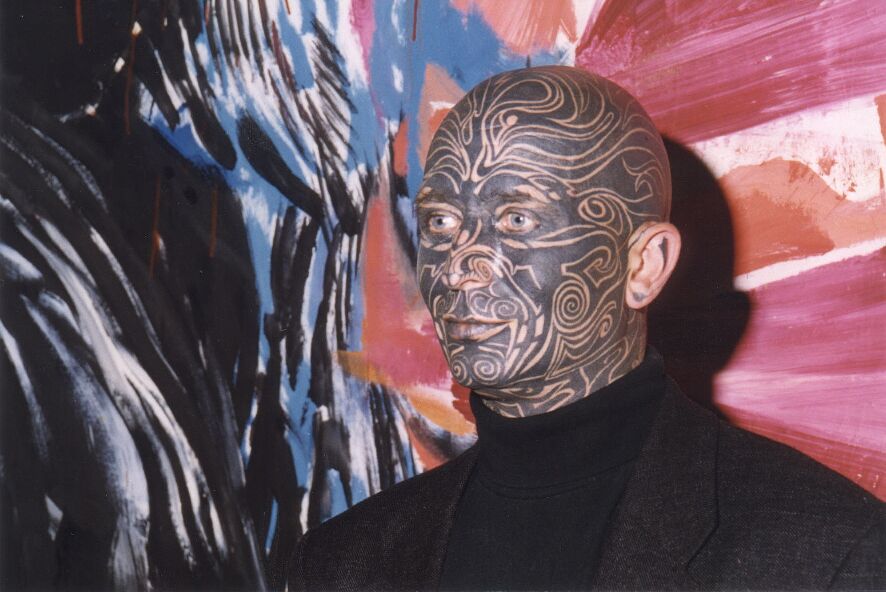
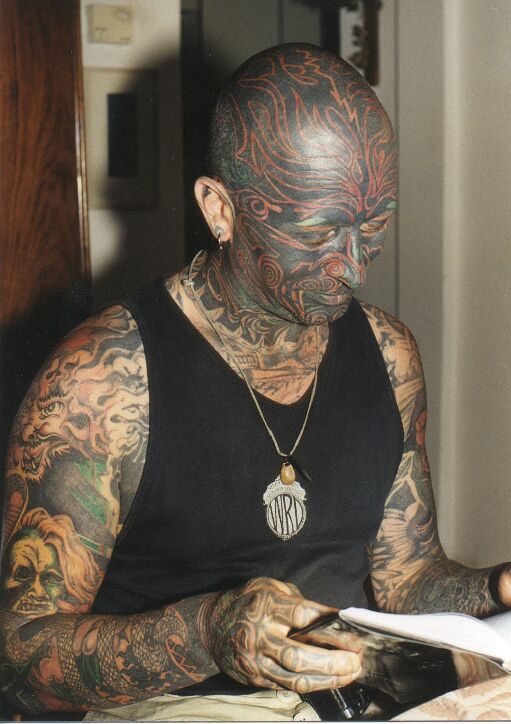
Vladimír Franz was born on 25 May 1959 in Prague. His family background is interesting, with his ancestors coming from two main branches. The Moravian branch is based on personalities associated with the Czech national feeling during the first Czechoslovak Republic. The West Bohemian family, on the other hand, is connected to the German branch with family ties to Jiří Trnka and Edvard Beneš. After graduating from high school, he wanted to study music and art history. He graduated from the Faculty of Law of Charles University and obtained a JUDr. degree, but never practiced this profession. Since childhood he had a great affinity for art and music. While studying law, he began to study painting privately with Karel Souček and Andrej Belotsvetov, and composition with Miroslav Raichl and Vladimír Sommer. In 1975, he already expressed his views on the general social situation through painting, when he painted a picture of a crucified jester called The Bad Times. In the first half of the 1980s, he co-founded the theatre group Kytka, which criticised the then regime with humour and satire. In 1987, he got an engagement at the Municipal Theatre in Most (then the Workers‘ Theatre in Most), where he joined as an accompanist and composer of music. In 1991 he became a teacher at the Theatre Faculty of the Academy of Performing Arts and in 2016 also at the J. E. Purkyně University in Ústí nad Labem. In 2013, he ran for President of the Czech Republic, finishing fifth out of nine candidates. At the time of the interview (2025) he lived in Prague.