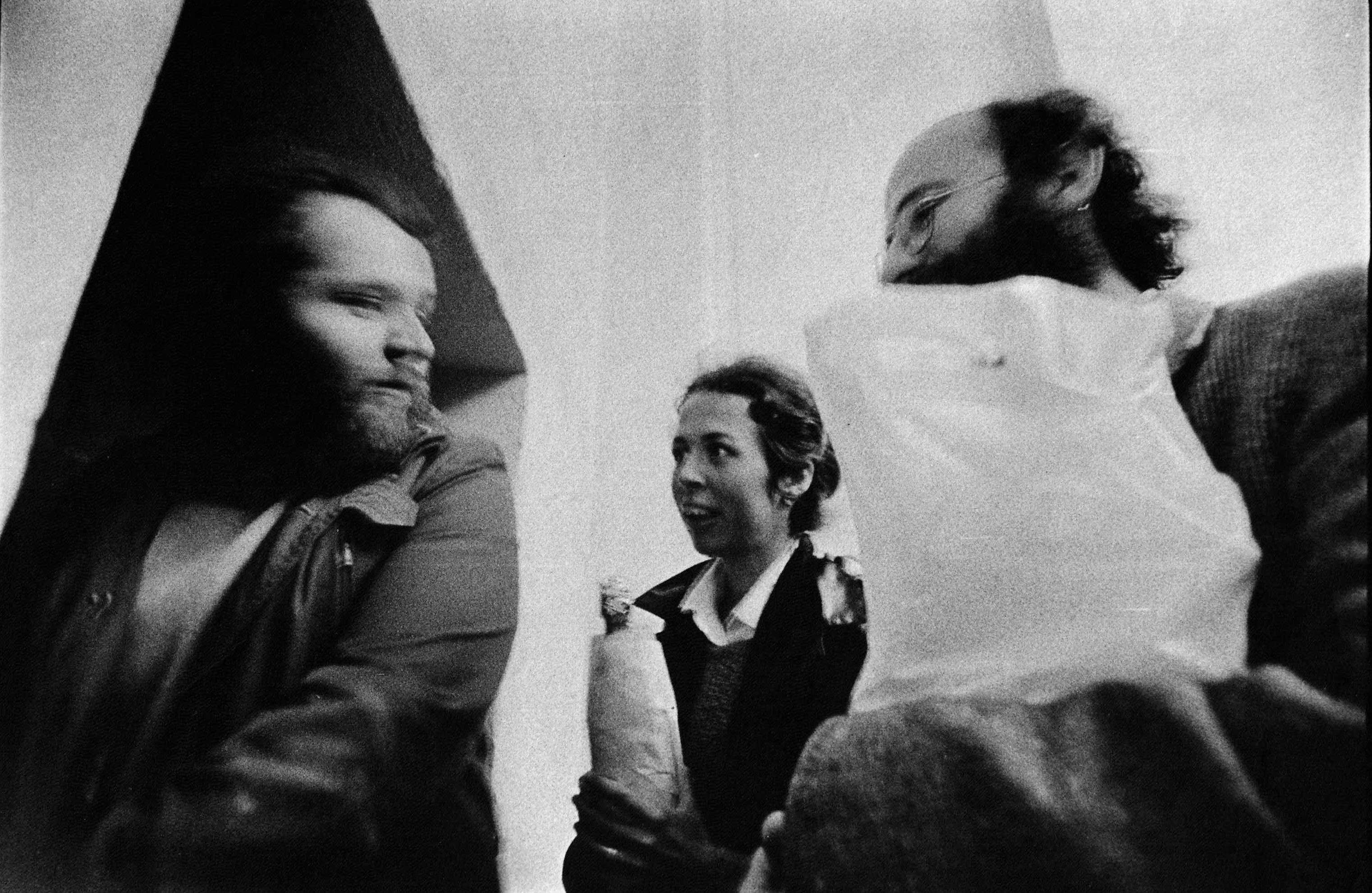
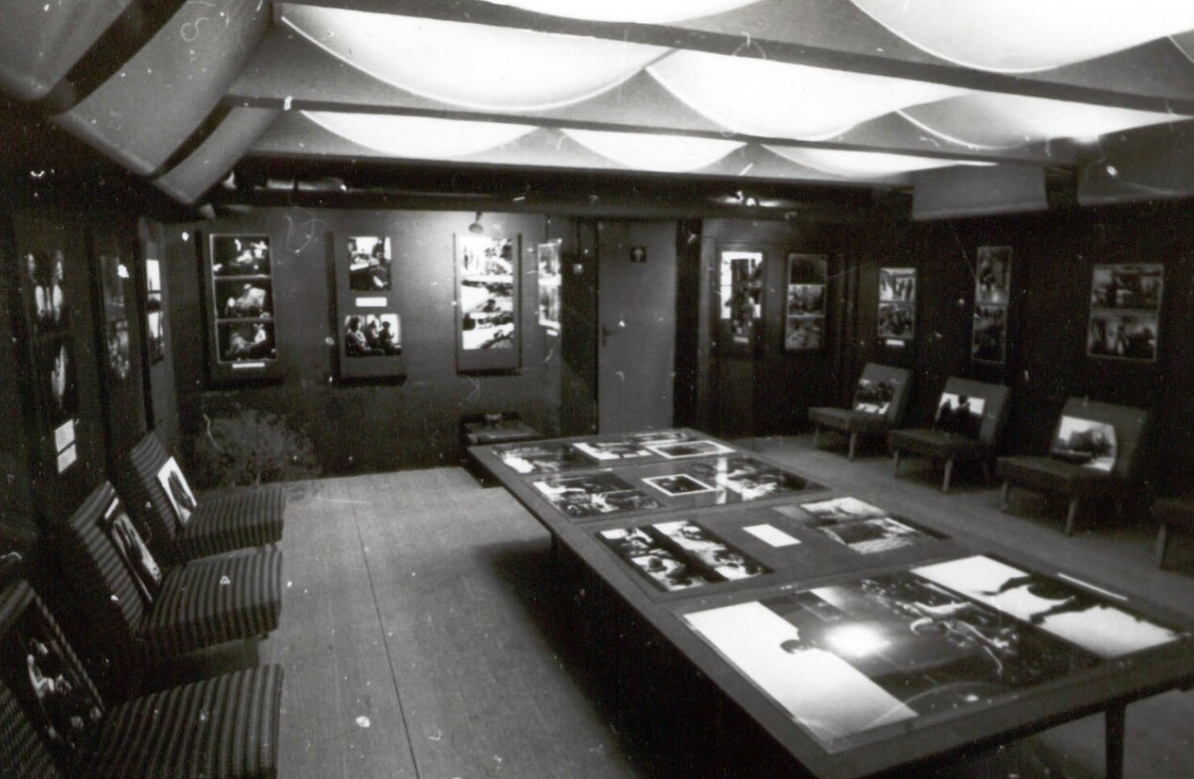
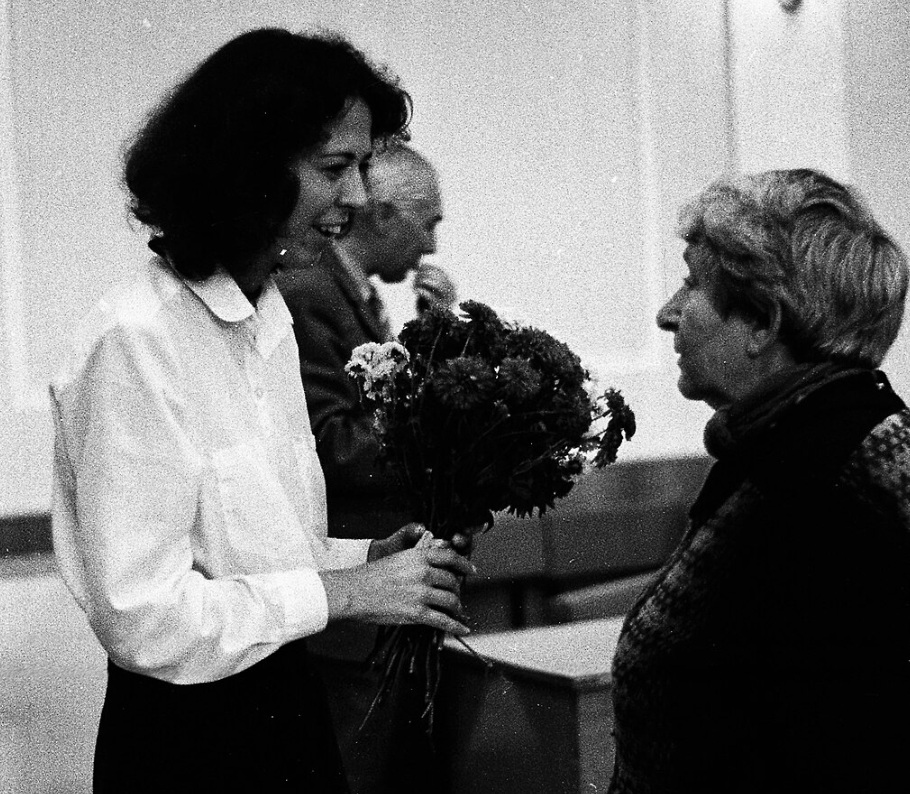
"And they began to invite us in for questioning. First husband. He came out - 'Just over,' he said. And then I went in. And I was about twenty-one at the time. And they started this interrogation, I remember the beginning: 'And you live with this man? Where do you live?' And I was so docile, I said, 'Well, here in the studio flat.' 'Well, what about him, like you live with him?' They just went on this topic of what I can have with him and that it's actually kind of unethical or what I would call immoral. That I was living an immoral life. I just normally went to school for distance study, I worked, but the fact that I had a boyfriend, that was immoral. And he actually had his own place, we didn't even live together. But we actually got married after a year, it didn't take us long. So it was in those early days, it was about 1981. And they started talking about the exhibitions and that the symposia had to end. And I said, "You can't do that. Here's the recipient of the Order of Labour, Irena Blüh. Yesterday we had an opening with her in the museum, there were schools there, we were supposed to give...' And just like that. And it stoppped them a bit. And I said, 'Do you know who Irena Blühová was? Recipient of the Order of Labour, who founded the Pravda publishing house.‘ That was the Pravda newspaper in Slovakia, I don't know what it was in the Czech Republic... Red Law. That was Pravda in Slovakia. And I saw it on them how they started... But maybe I'm just thinking about it now, because I wasn't thinking about it at all, just now when we're talking about it. So I recalled this and maybe there were other things that just the symposium went on, this was. Well, and yet Irena Blühová, she's a student of the Bauhaus in the twenty-ninth or whenever she studied there. And then, although she was a communist, she founded this publishing house, but she was persecuted, she got a ban. Only they didn't know it."
"It always has to be layered when you talk about that period [of totalitarianism]. When my young colleagues at work asked me how we could have let it happen, why we voted for the Communists... And I would tell them that my first election was when I was graduating from secondary school, and we were followed by - we could call them politicians, we didn't say that at the time. They just said 'comrade communist', comrades. A comrade would come and give us lectures. We had such intrusive questions, but it was always some reasonable questions. So I normally believed that elections could be fair. I went to the polling station... And that they were free. I went to the polling station and they gave me a piece paper and told me to take it and put it in the box. And I was convinced that there was going to be something else and that there was going to be a booth and that I was going to... So I threw it in and I walked out and then I cried. I walked all the way, there's a stream, it's about 20 minutes, and I sat there and I cried and it was a big disappointment. But I don't really know, I was somehow naive, what did I expect?"
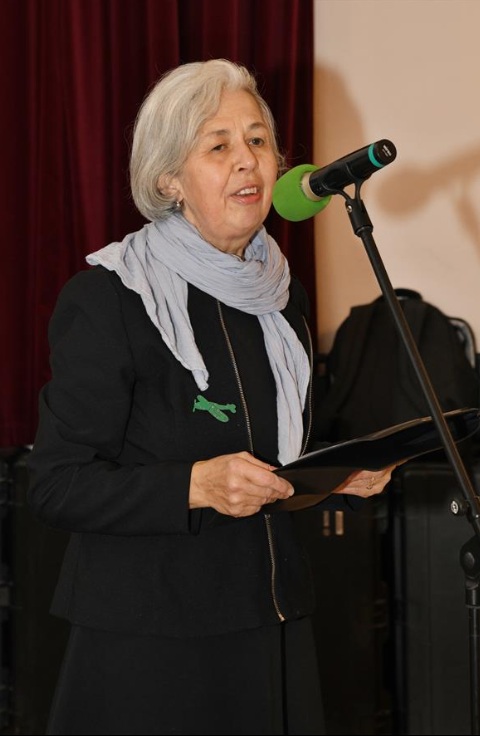
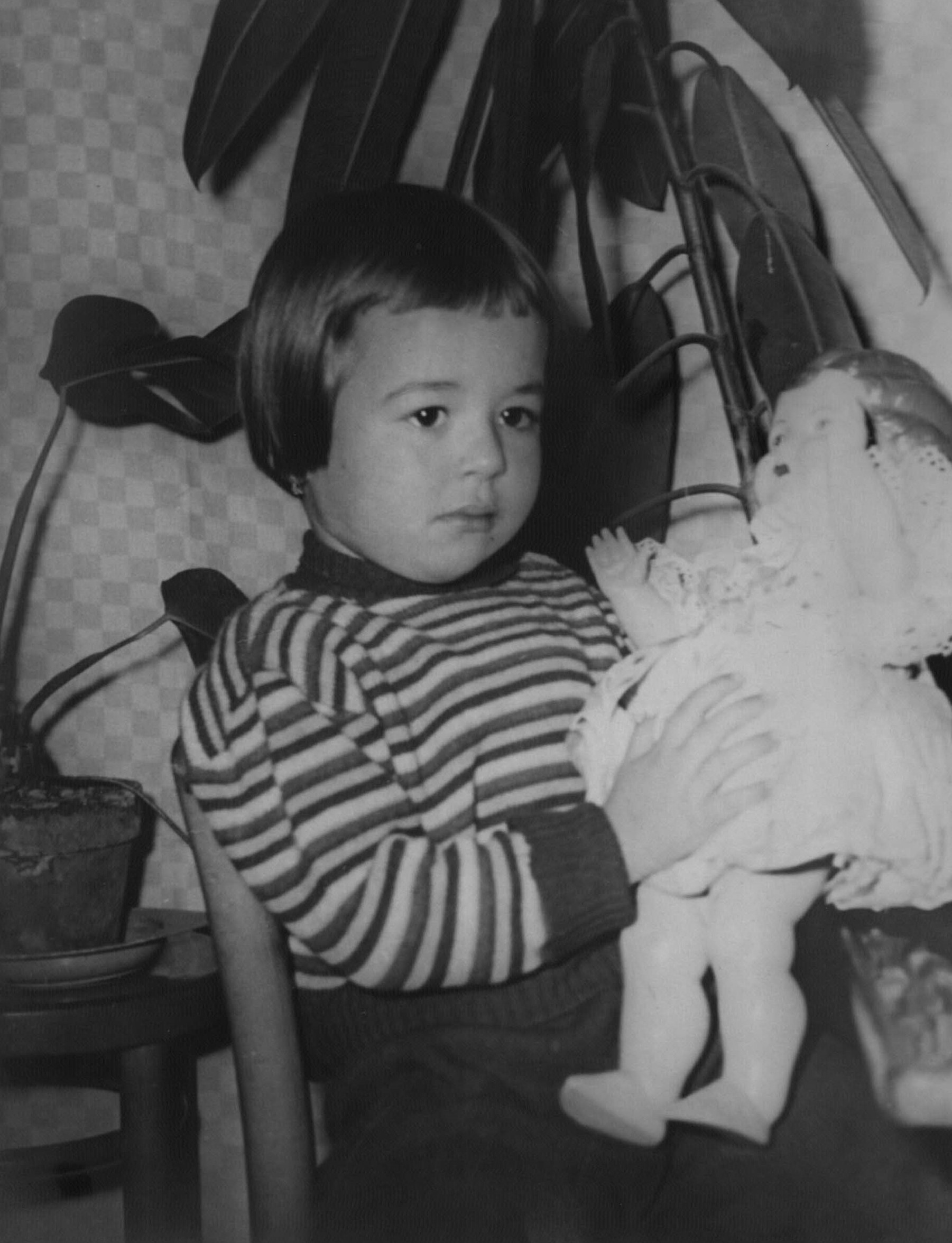
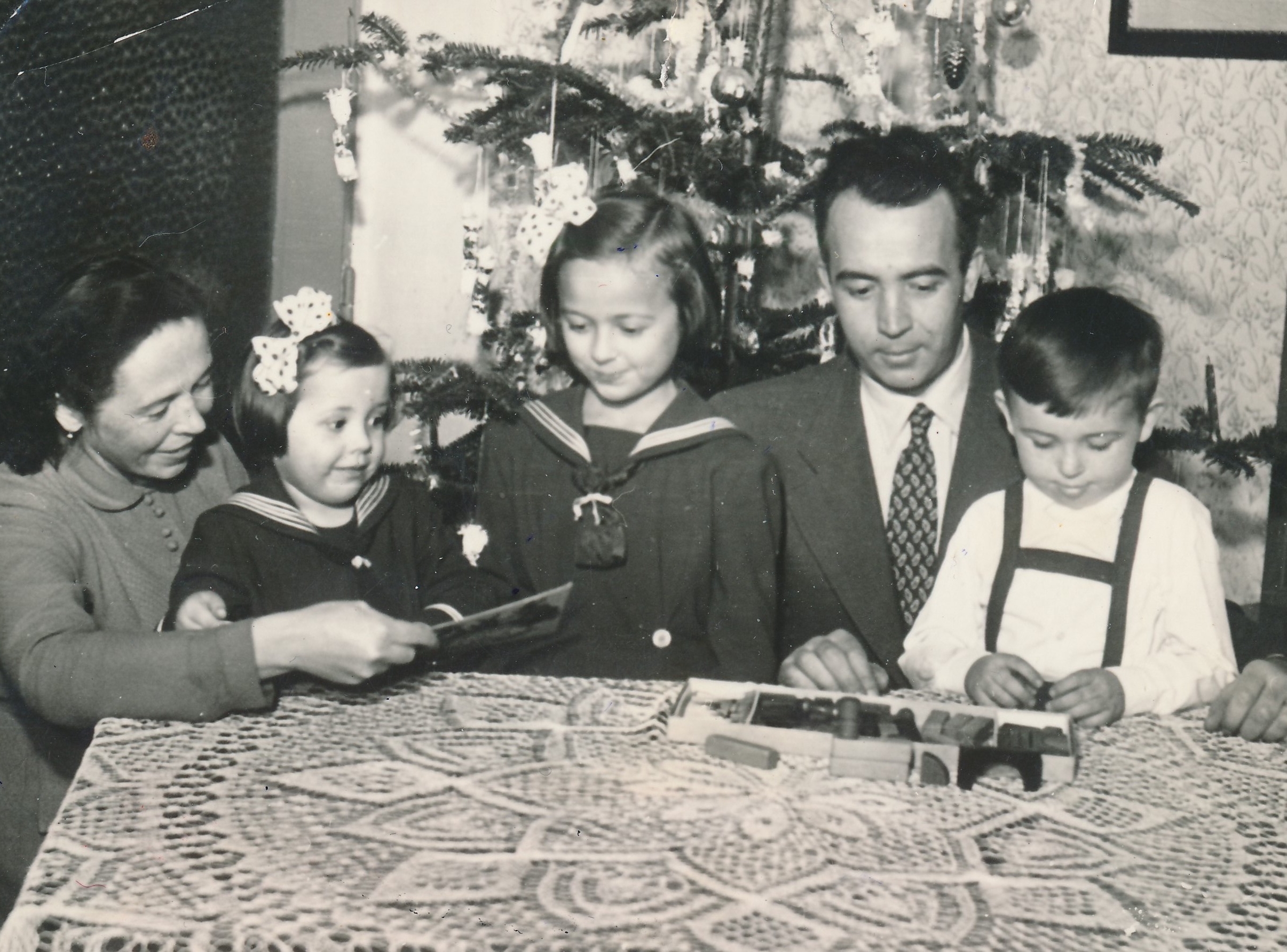
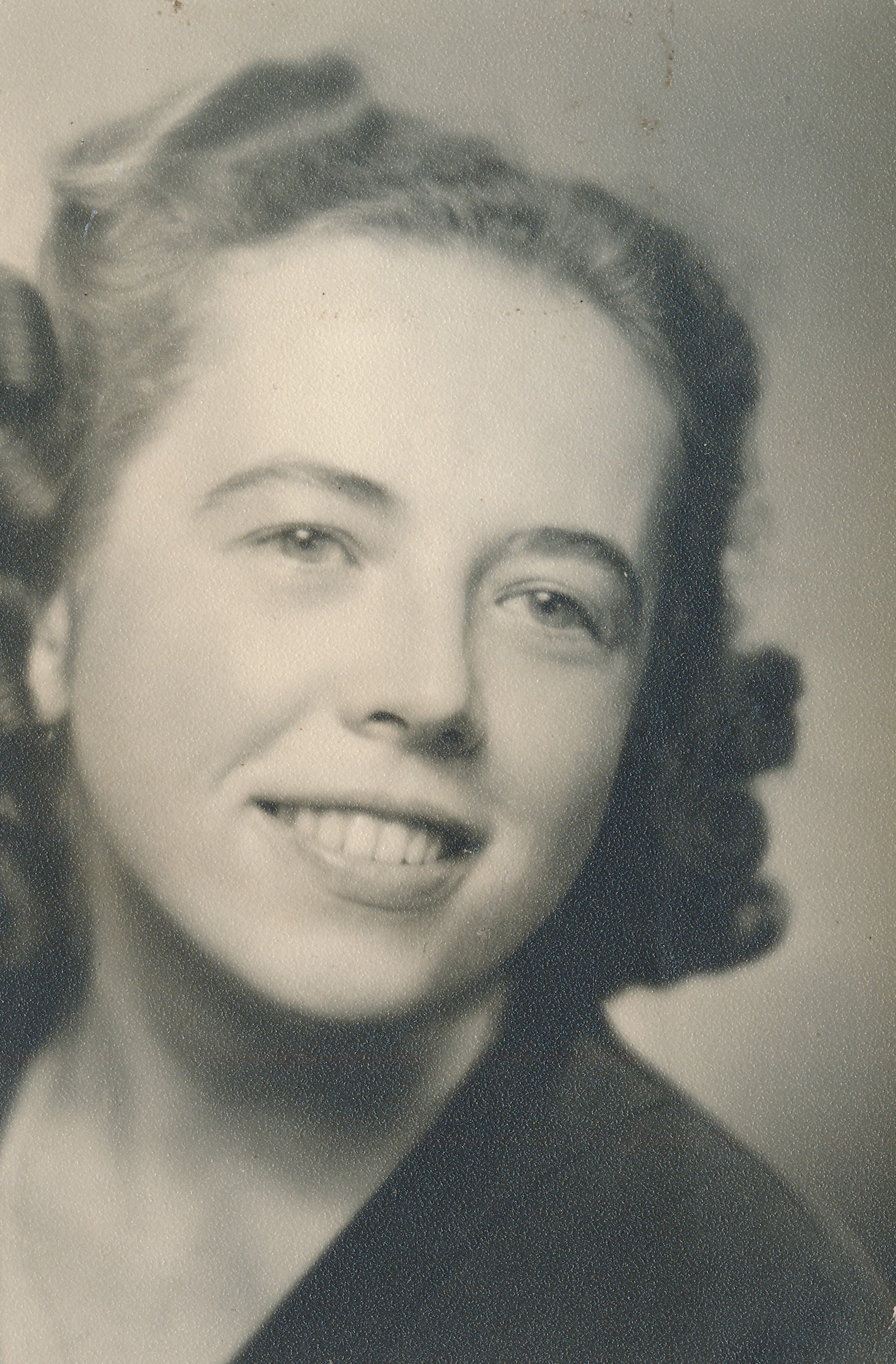
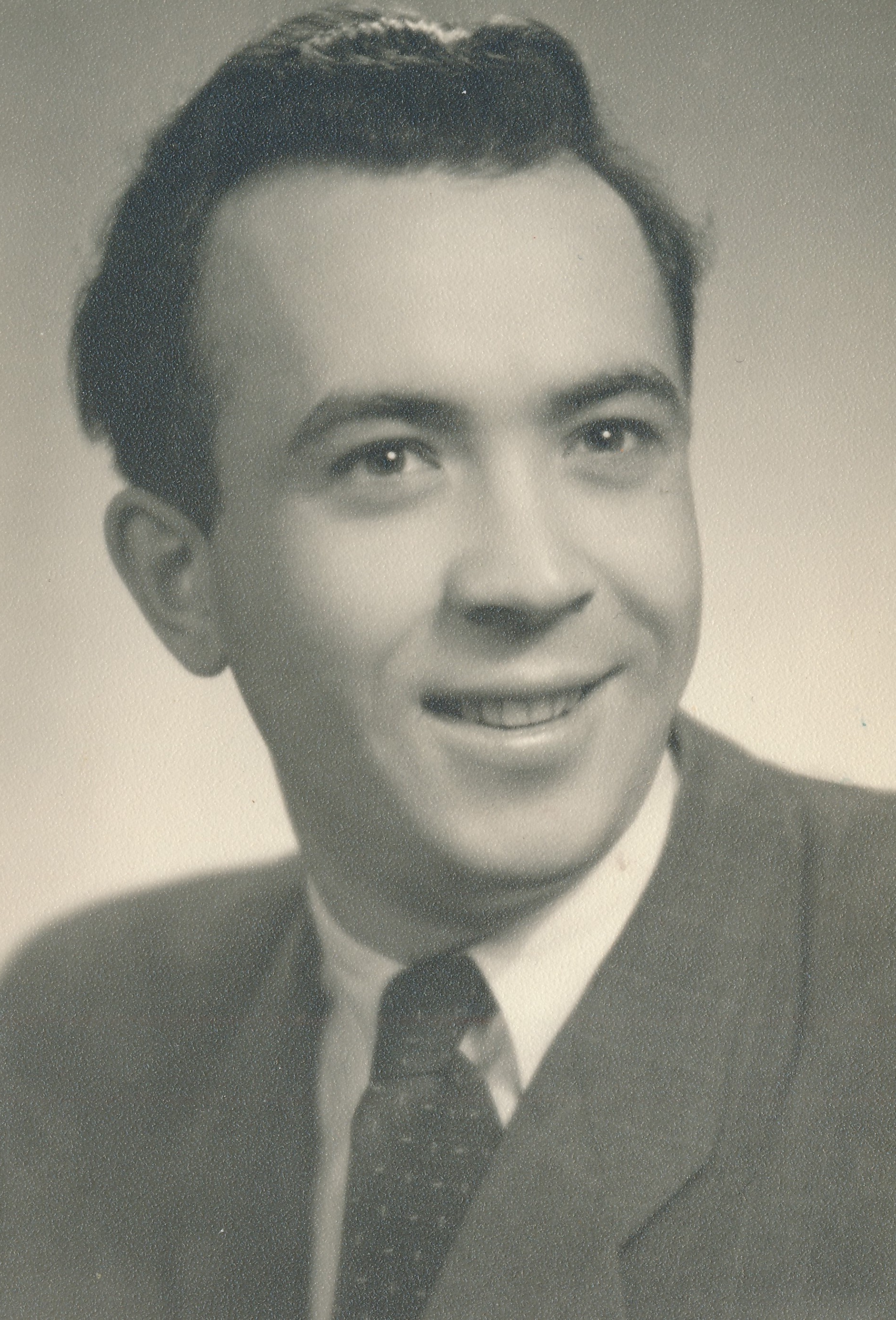
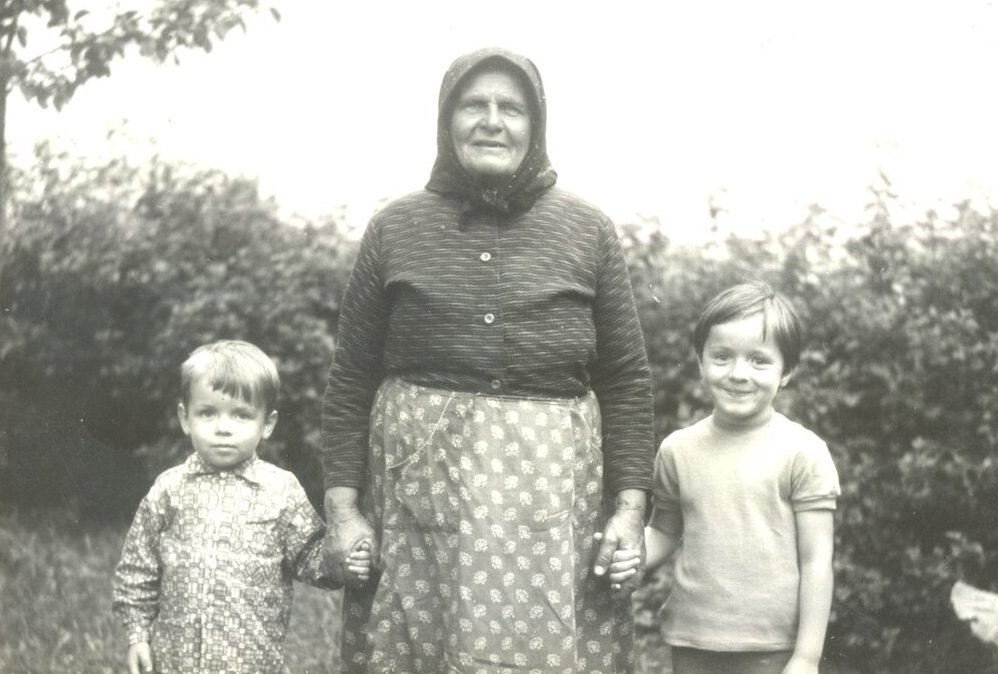
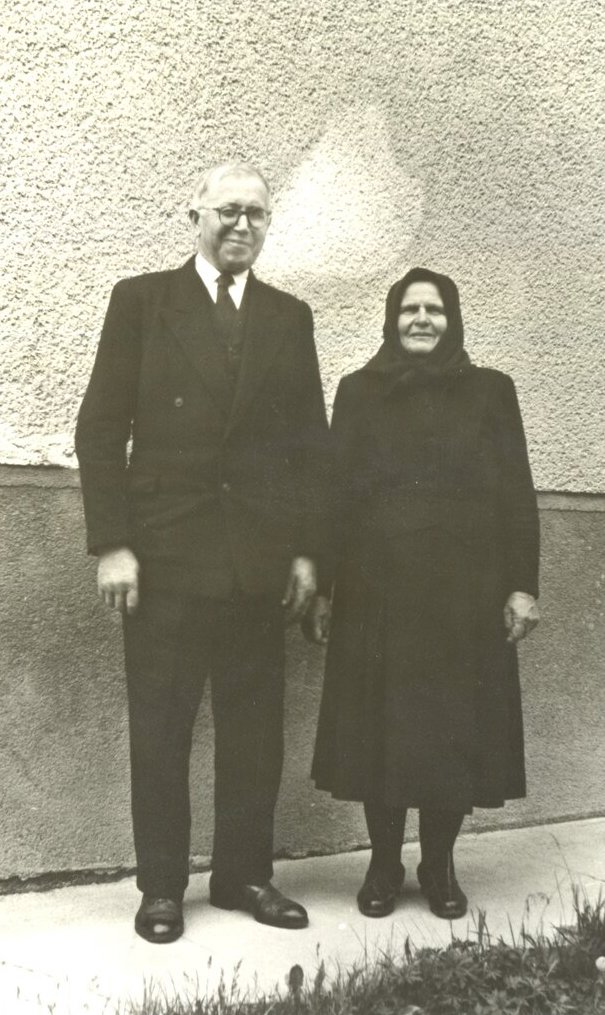
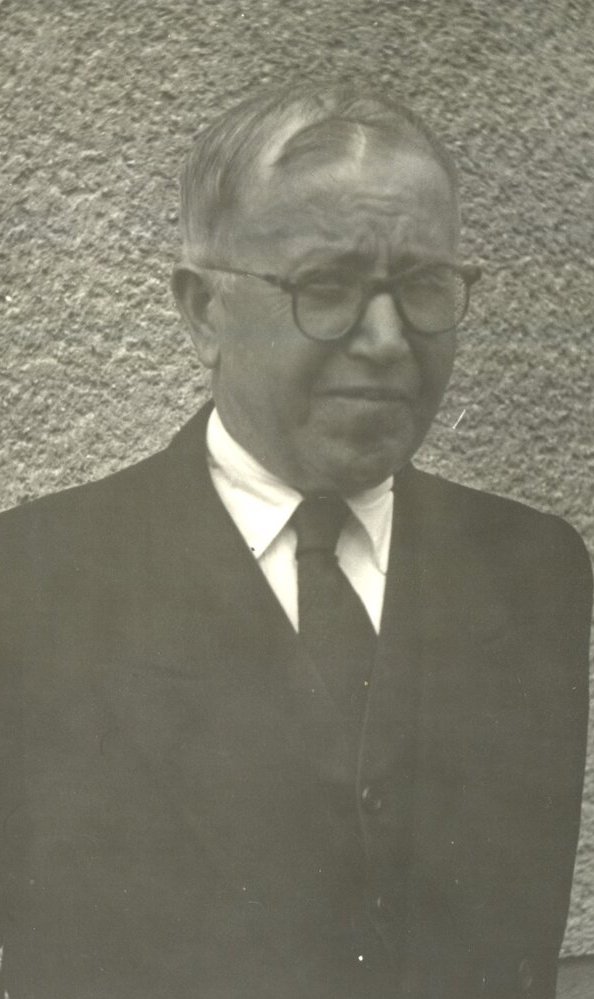
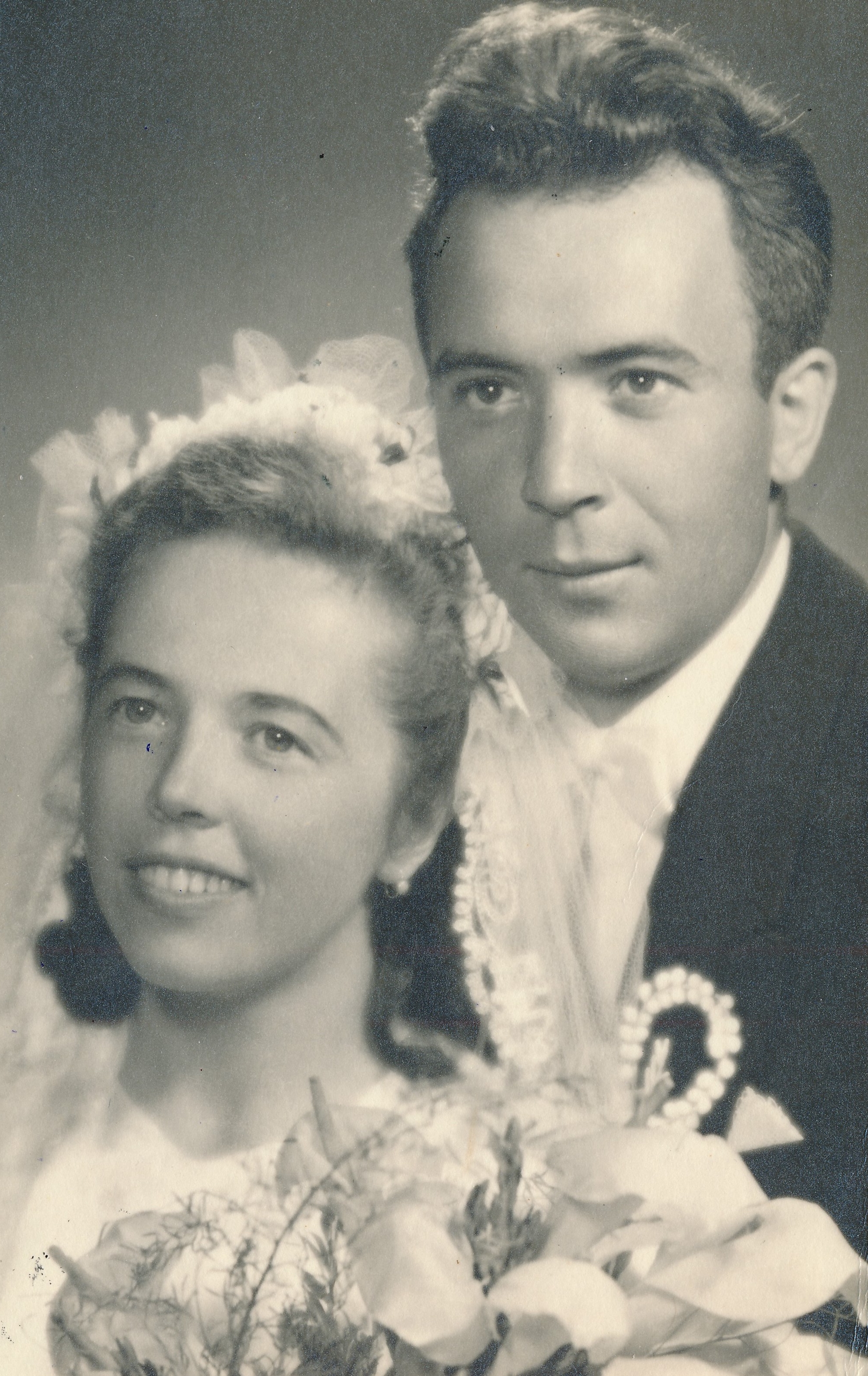
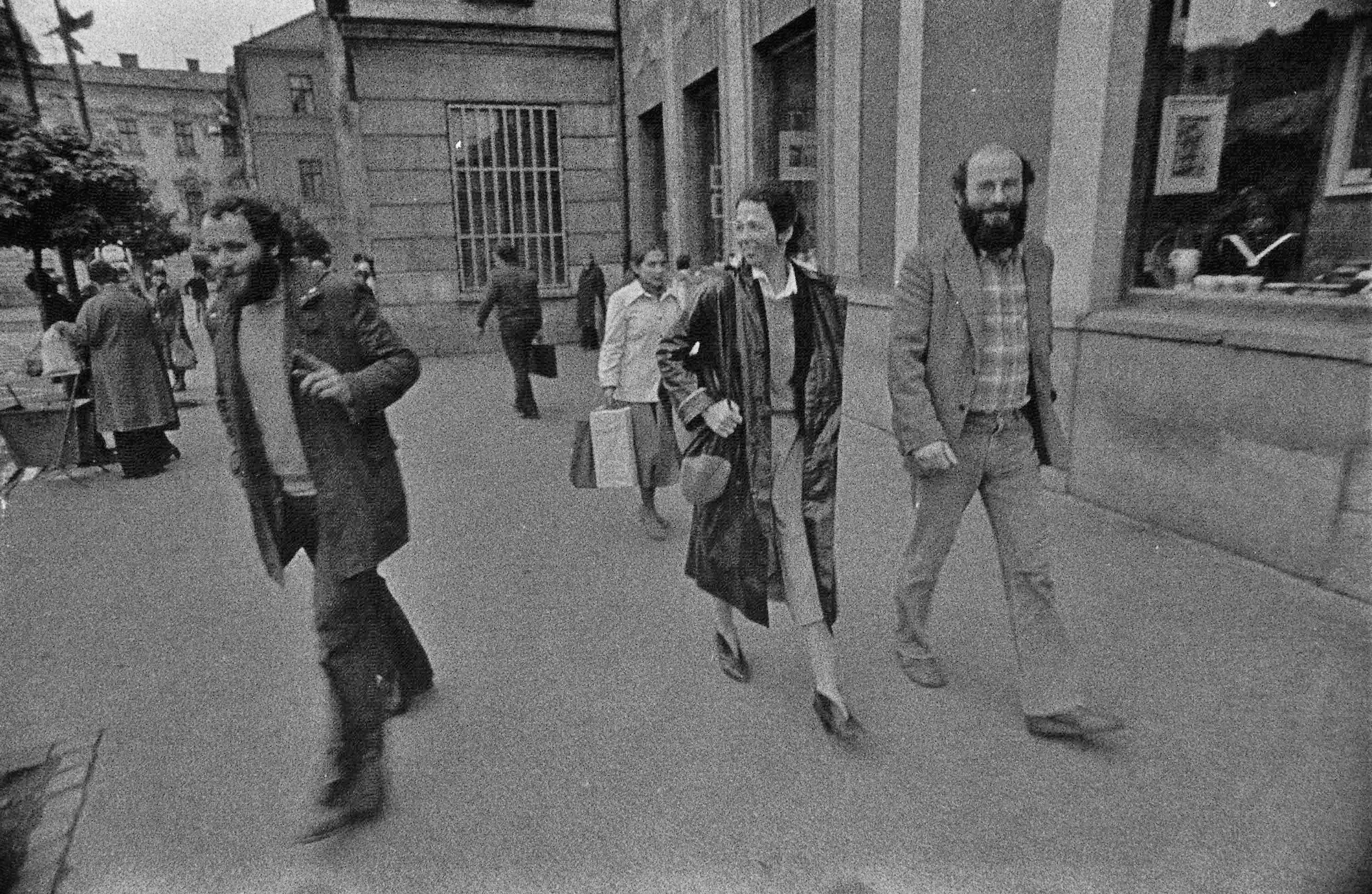
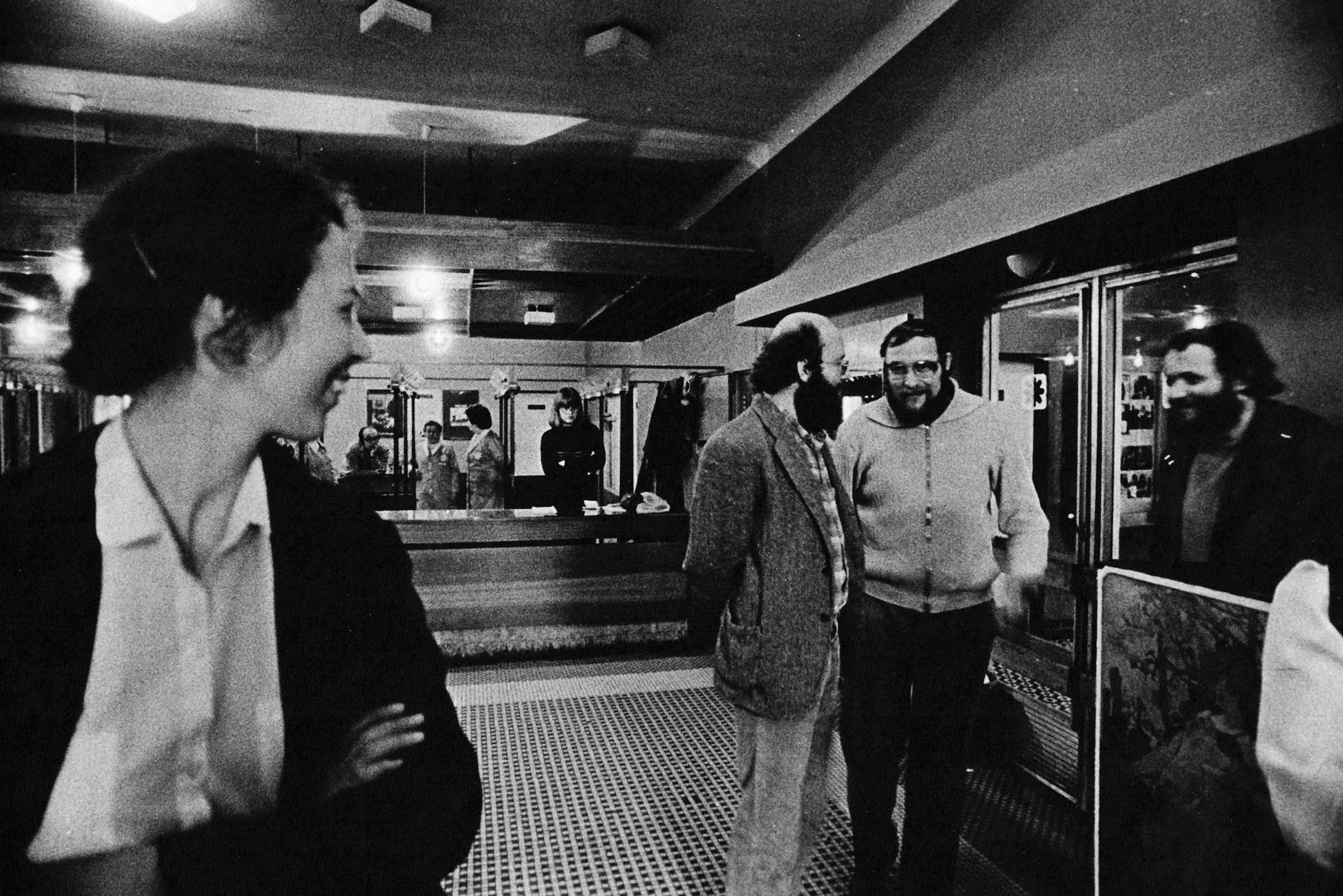
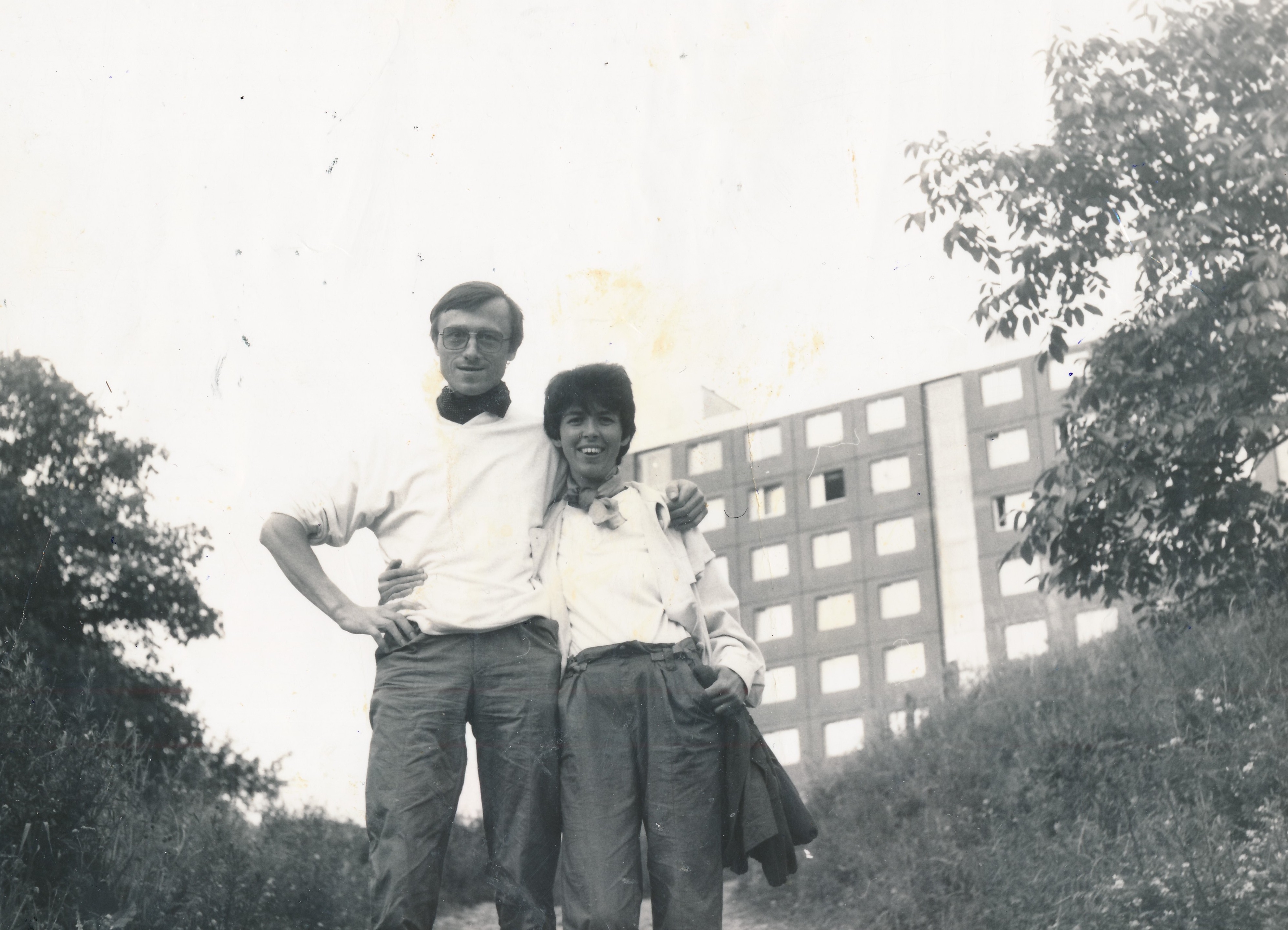
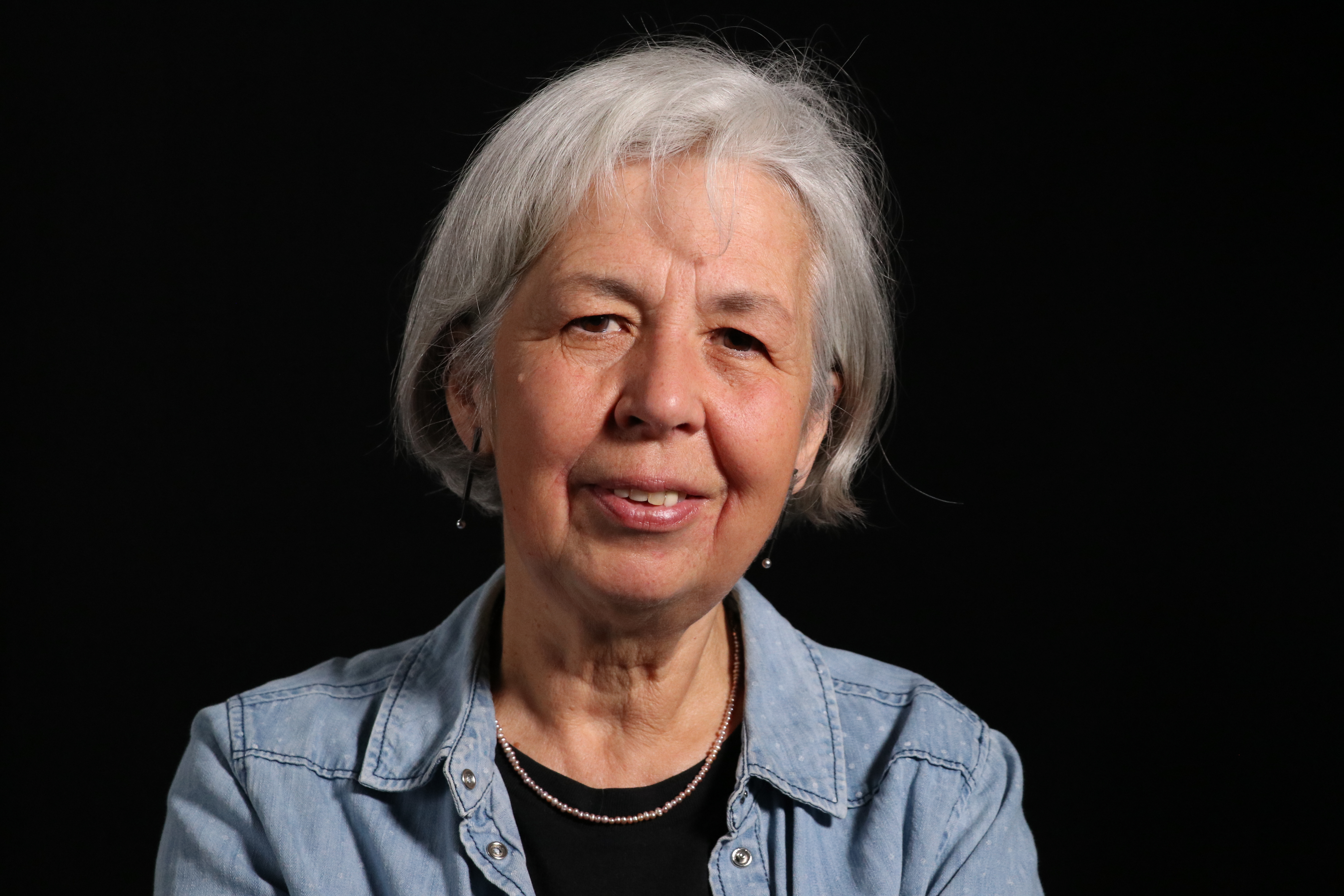
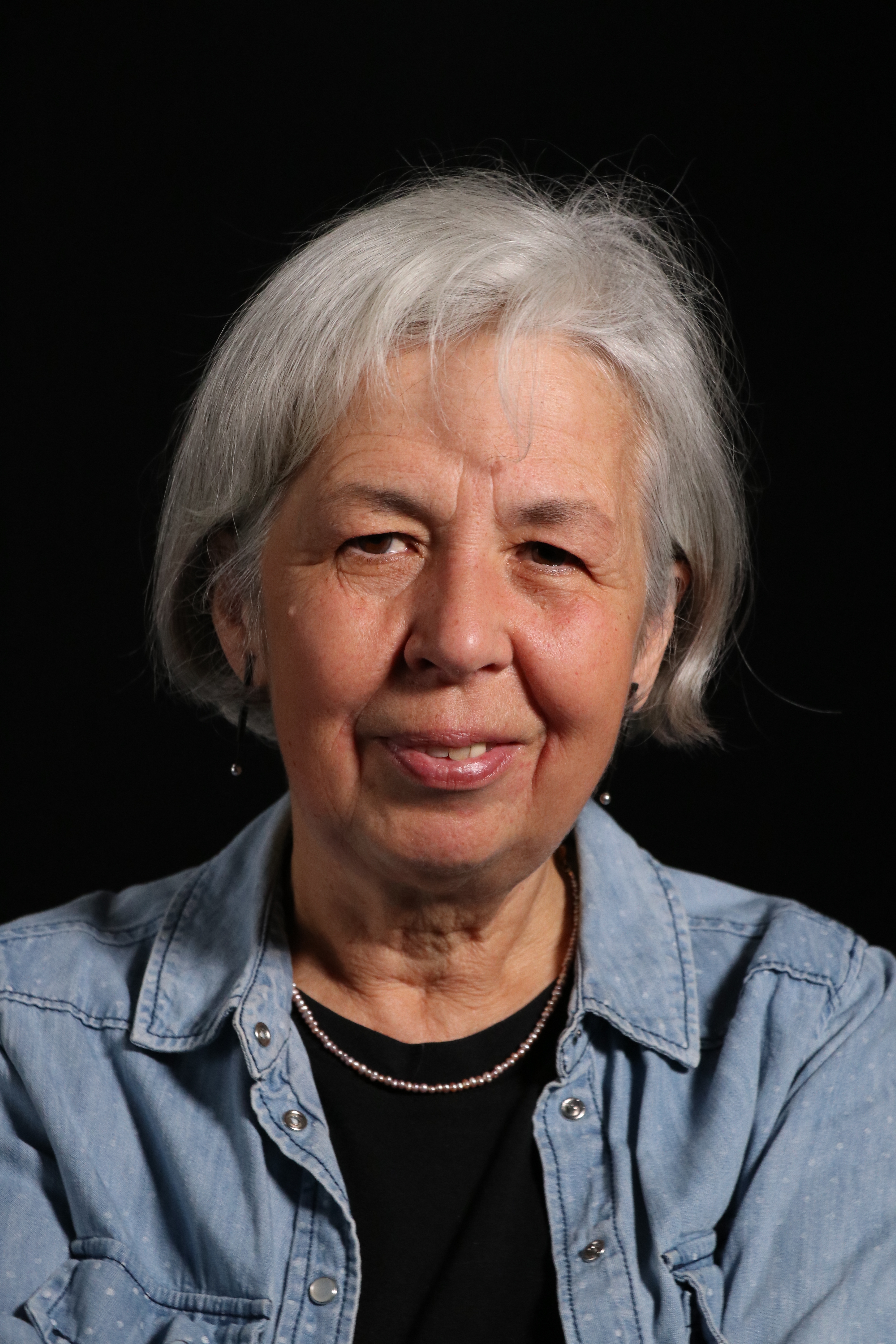
Anna Fassatiová was born on 27 March 1958 in Topoľčany, Slovakia, the youngest of four children of Emílie and Vladimír Gíret. Her father escaped from the pro-German army of the Slovak state during World War II to join the partisan resistance, where he was captured. He managed to escape and remained in hiding until the end of the war. Anna‘s childhood was deeply marked by 1968, especially her father‘s refusal to accept the post of deputy manager and the tearing up of the book of the Czechoslovak-Soviet Friendship Union in front of children. After graduating from secondary school, despite her excellent results, she was not accepted for full-time studies at the University of Economics in Banská Bystrica and began to study at distance study, while she was employed at the Central Slovak Museum. In 1981, she married Tomáš Fassati and together, from 1980 to 1985, they ran a gallery in Banská Bystrica under the banner of the Socialist Youth Union called „Galéria F“, which focused on photography and graphic design. They were able to exhibit artists banned in the Czechoslovakia as well as internationally known photographers, they organized symposiums and printed high-quality graphic materials. Eventually the gallery came under the radar of State Security, the couple were interrogated and in 1985 the activity was stopped. In 1989, the family moved to the Czechia and after the Velvet Revolution, the Fassati family helped to establish the Museum of Art and Design in Benešov, which gained an international reputation. In 2015-2017, they faced political pressure from the new city leadership, which resulted in the departure of longtime staff, including the Fassatis. For her activities in the 1980s and the dissemination of samizdat, Anna Fassatiová received the status of a participant in the Third Resistance in 2022. She was also awarded the title of Personality of Benešov Democracy (2018) and the Heart of Benešov Award (2024) for her lifelong contribution to culture and building civil society. After leaving the museum, she worked briefly at the Faculty of Arts of the Charles University, and since the pandemic of covid she has been retired. She was living in Prague at the time of the recording in 2025.