"It's a small room in size, with me and a wooden bunk. And a toilet. That's all the equipment. I was always given two blankets for the night and they took them away in the morning. As for food, it was one scoop of black coffee and one piece of bread. Something like a thicker slice. That was for the day, the next day the same thing, and the third day was food. But I had a problem. That was my problem, that I don't eat pork and horse meat. In Opava it was all horse meat. They always poured the horse meat over my rice, so there was no choice. When I stuck my cup out, they knew why. So in the end, they wanted to file a criminal complaint against me because they took it as a refusal of food and claimed it was rebellion."
"I reapplied for school there. I already had two years in mechanical engineering, so I applied to the mechanical engineering school. In those days, things were always allowed, forbidden. They called me into the office and told me literally that the working class had decided that I couldn't go to school. And they said the religious reasons. And that I was a dangerous person to the state, that we were a threat to the state. But by that time I was able to defend myself. So I asked, 'The working class decided that I couldn't go to school?' The man in the office said yes, that indeed the working class had decided that. I said, 'If the working class decided it, I'll ask them about it.' There was to be an all-trade union meeting of the unions in a week's time and I said quite seriously that I was going to make a comment there. They told me to leave the room. I was thrown out. Half an hour later they called to say I was recommended for the evening secondary technical school."
"It was special and I appreciate my parents for never complaining. I didn't know anything. I didn't know anything, even when my mum went to school and had a tough interview. She didn't tell me about it when I got home. Even at the time of the church ban, Dad was summoned to State Security. I know that afterwards he quietly told my mother how he had sat there in the office on a chair for several hours. There was a dog sitting across from him. And he wasn't allowed to move the whole time because the dog would growl and attack every time he moved. But he didn't tell it so I could hear it. But as a boy, I listened to what he and my mother were saying out of curiosity."
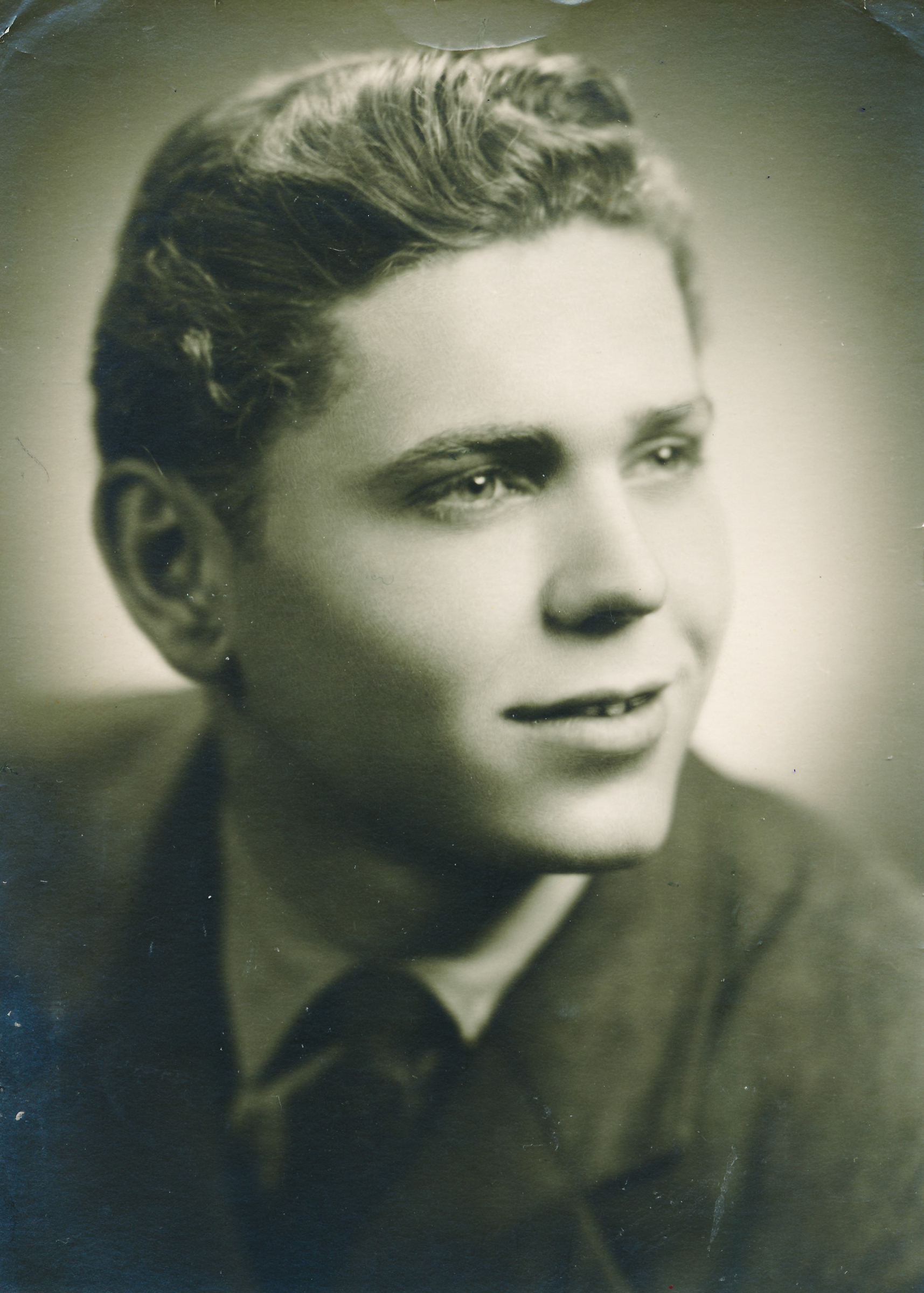
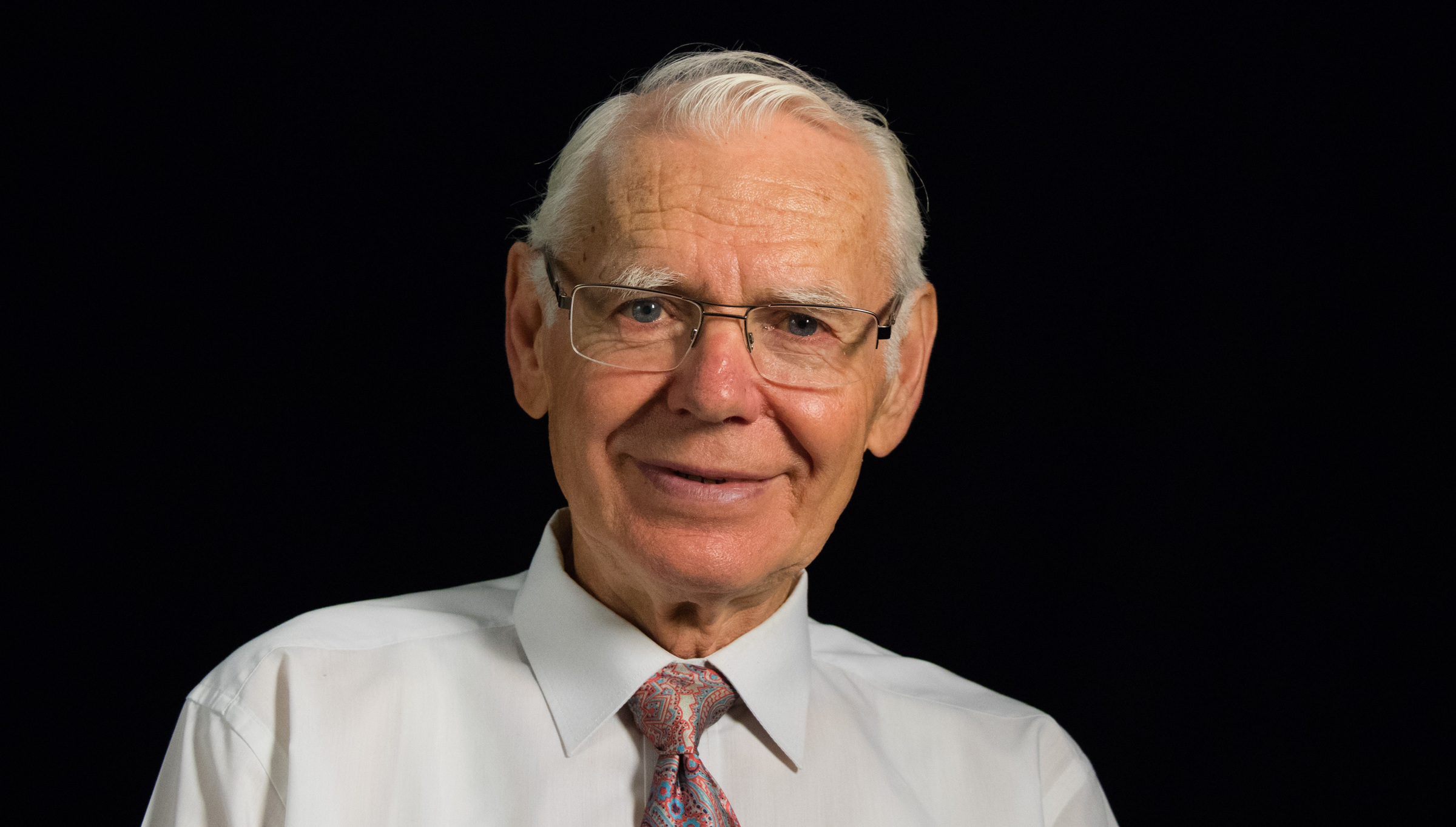
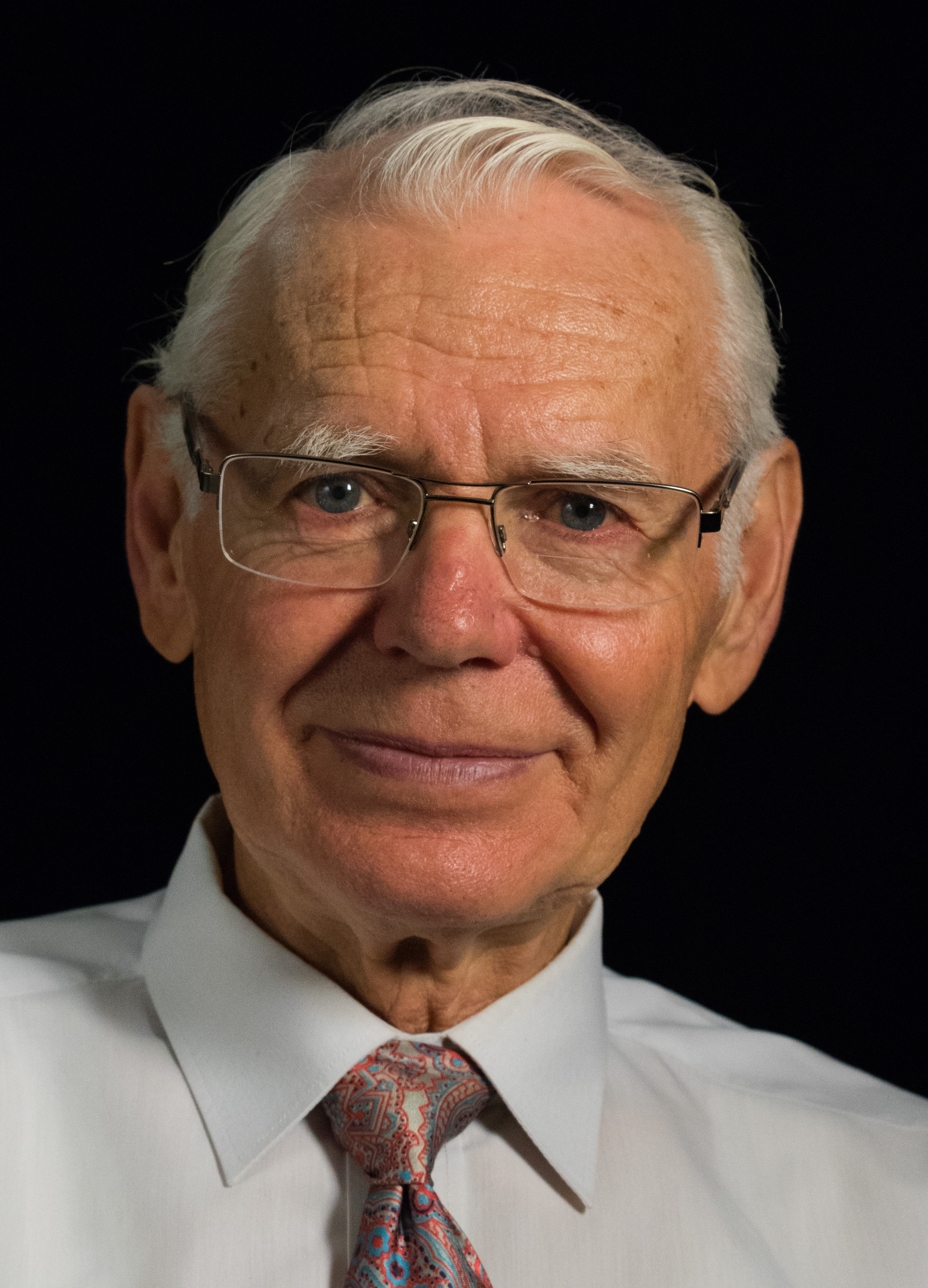
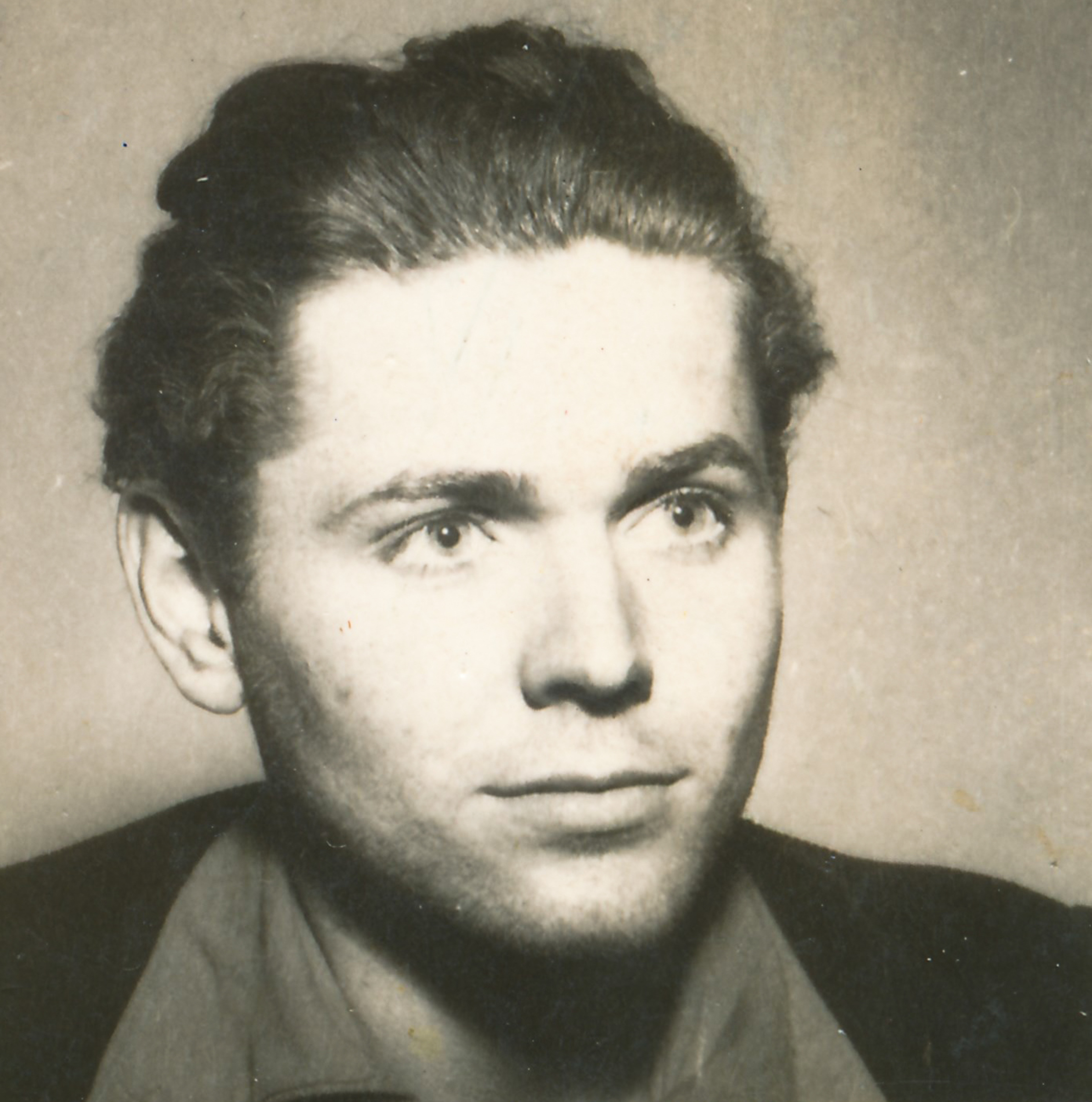
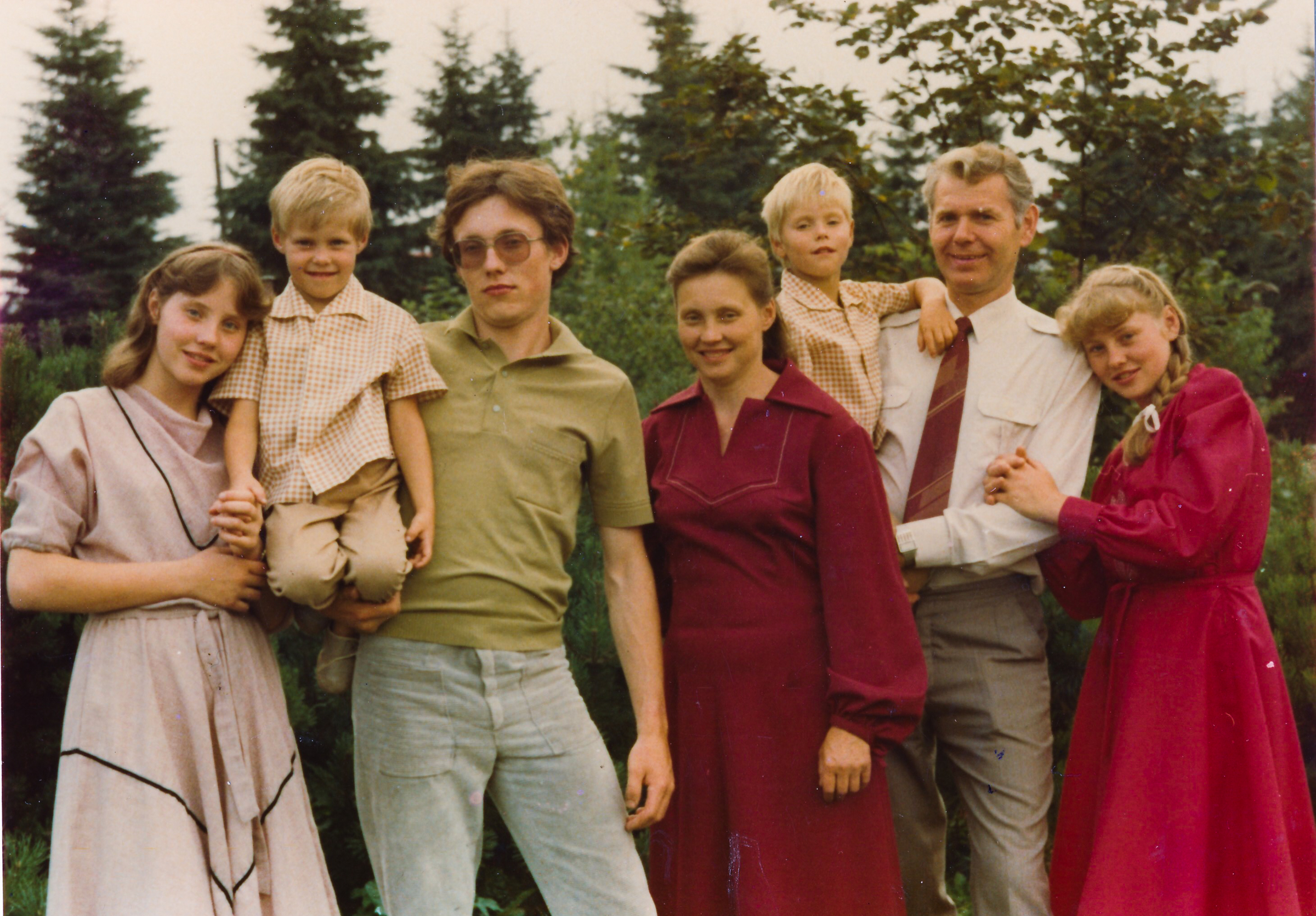
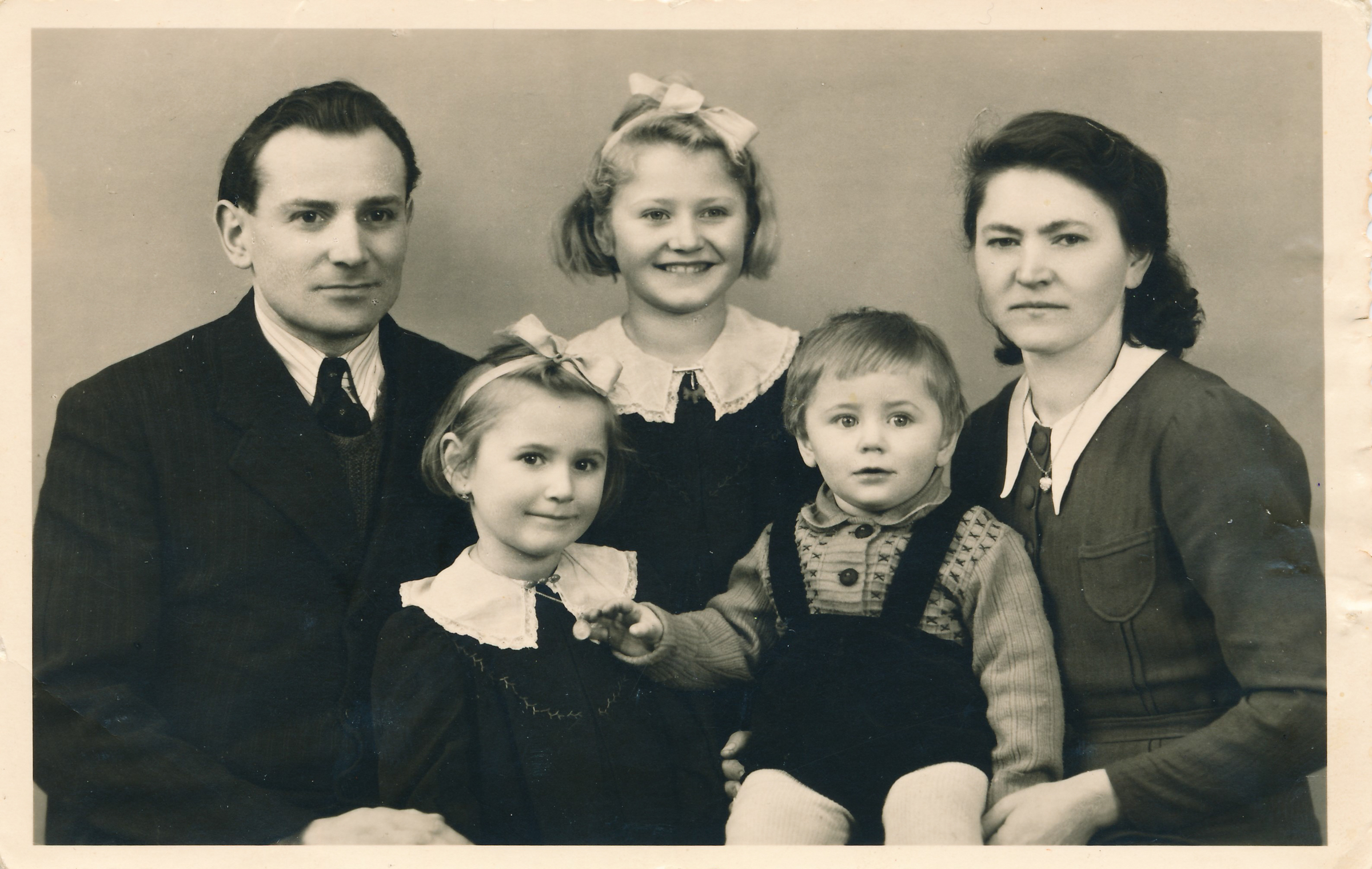
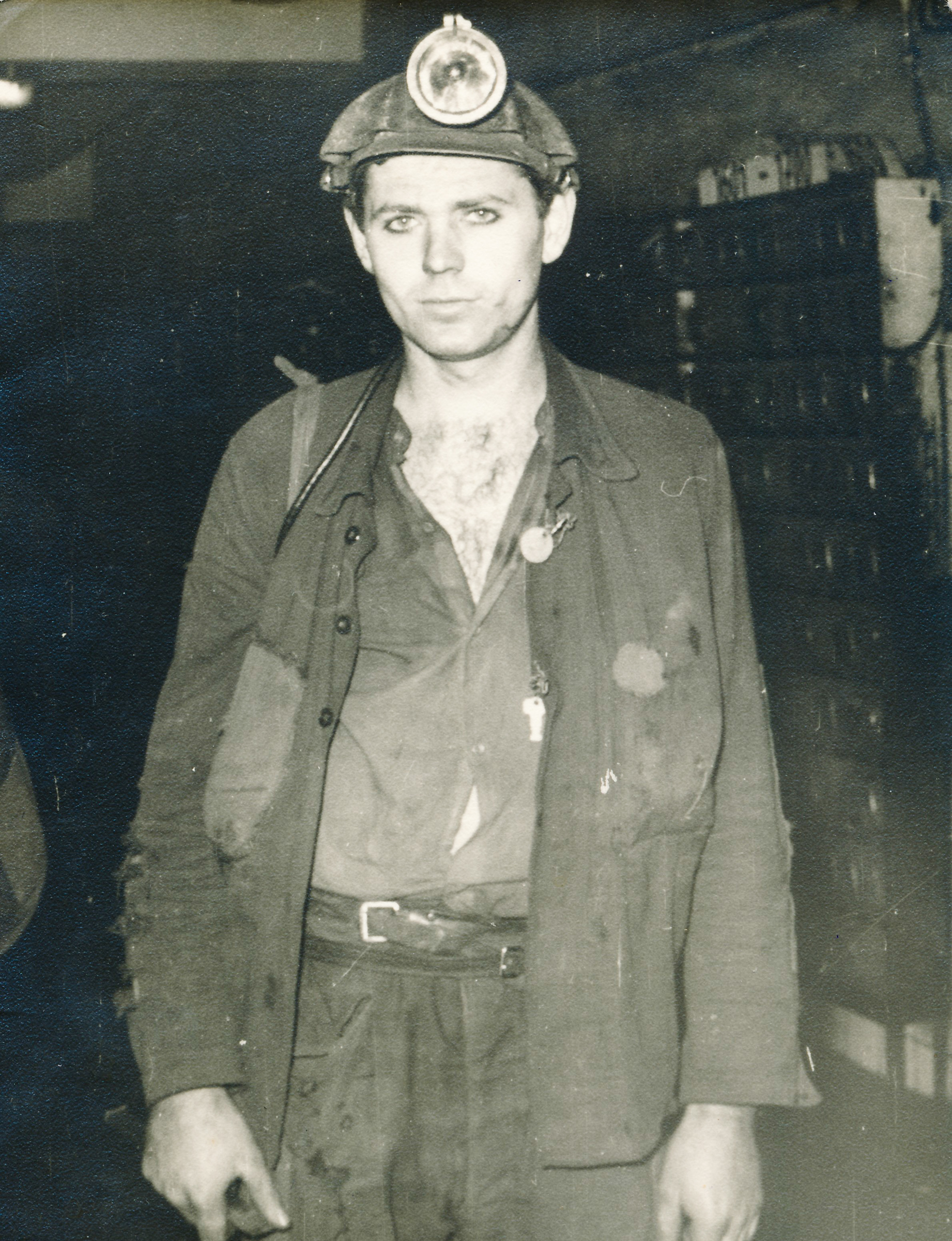
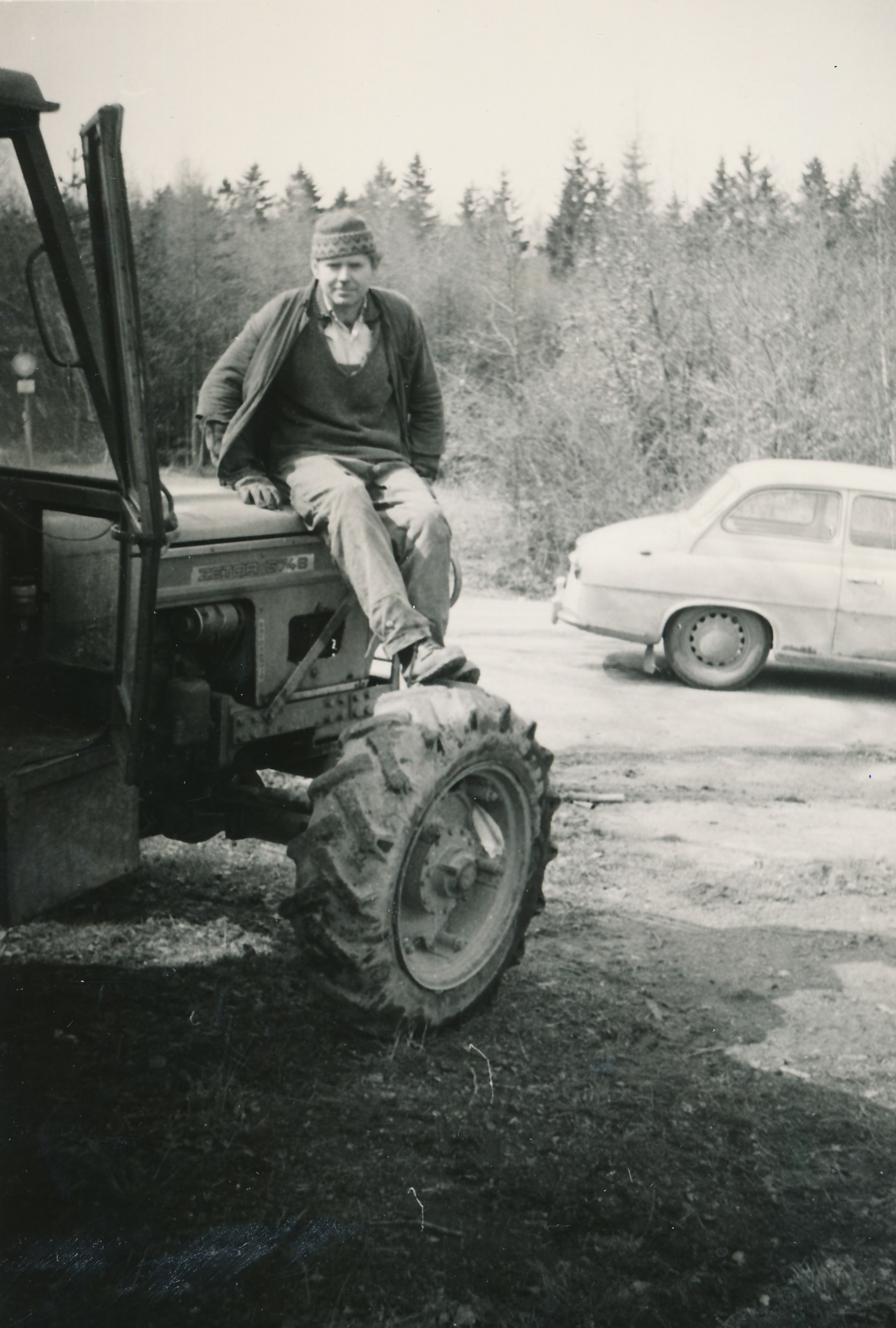
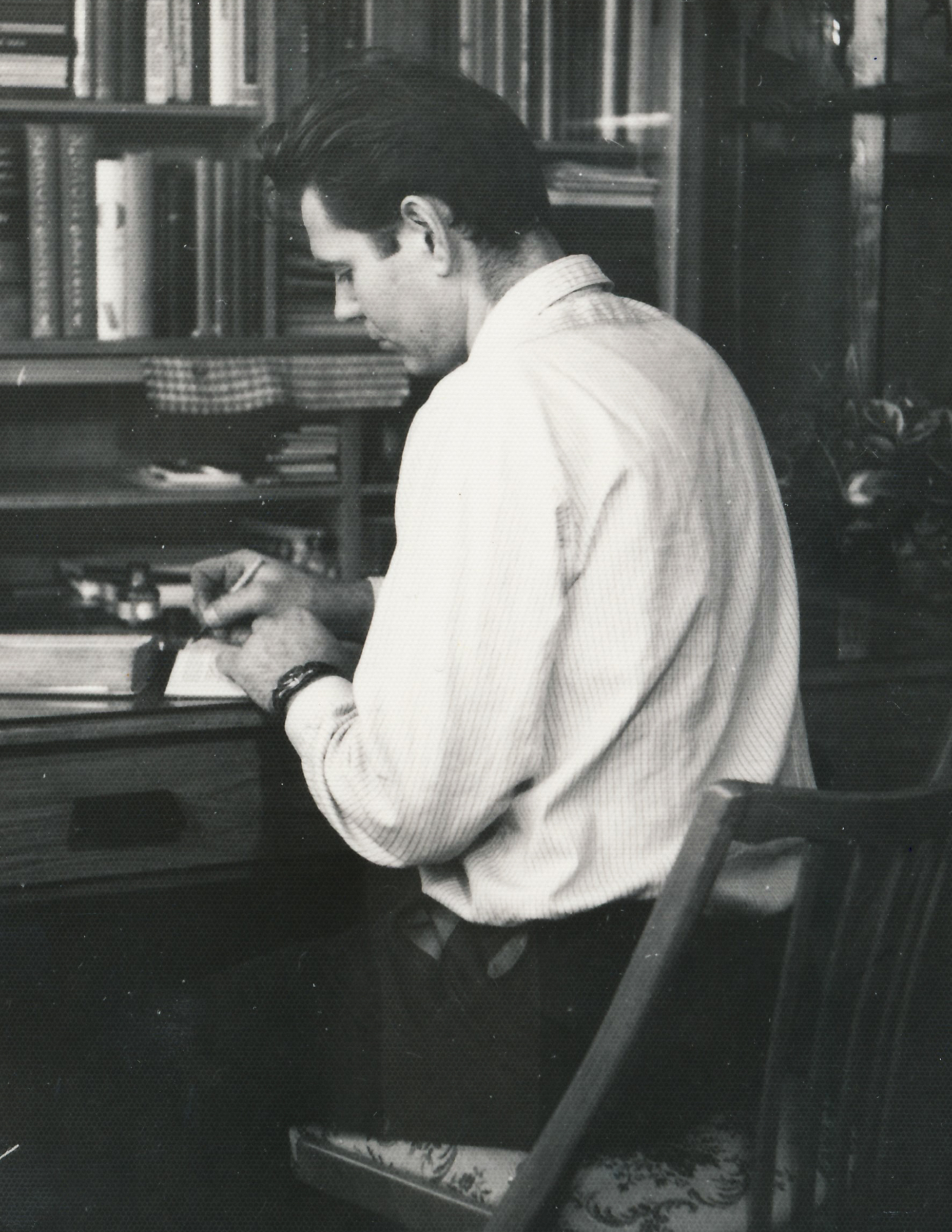
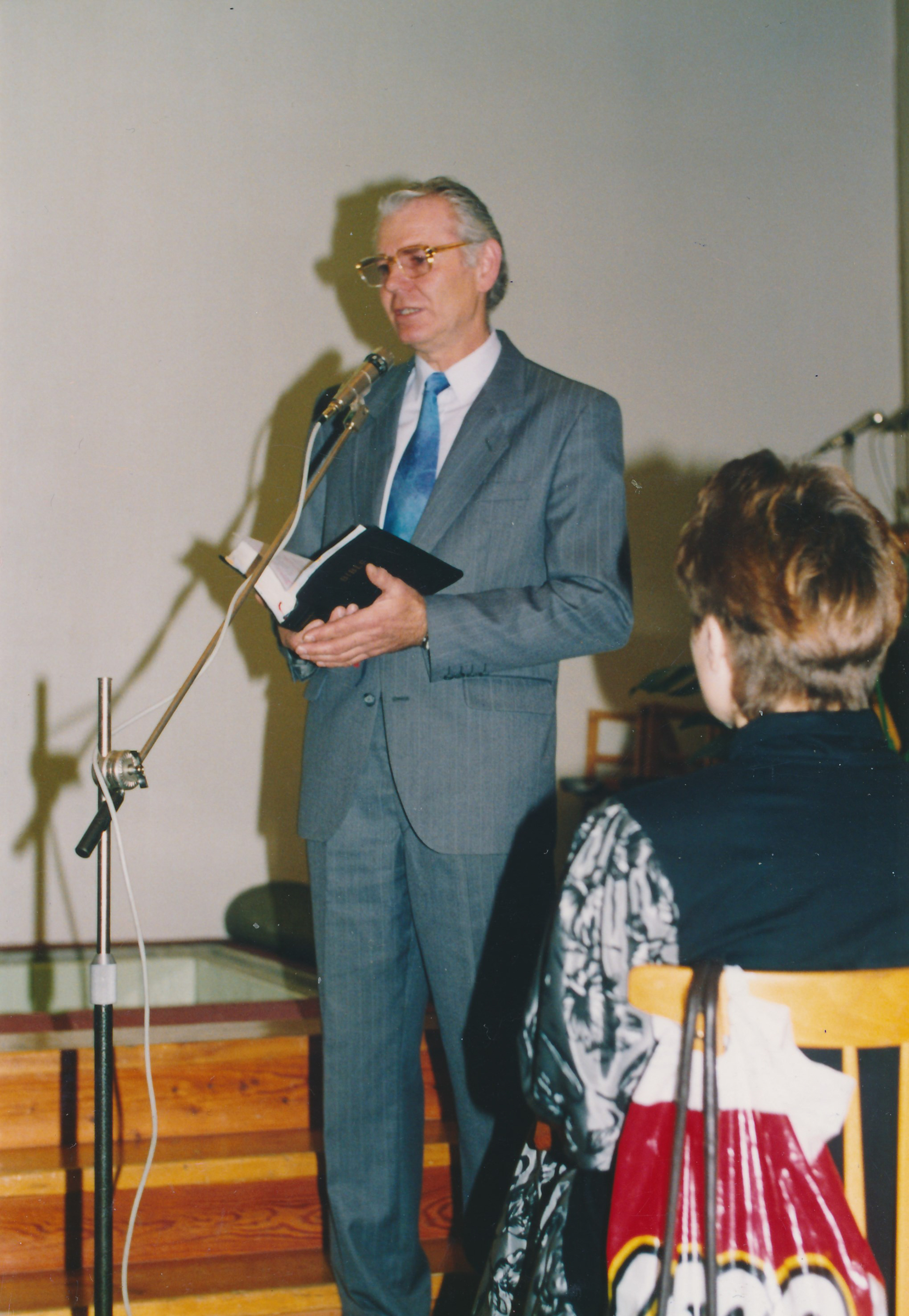
Bohumil Dymáček was born on 11 August 1942 in Blansko. His parents were members of the Seventh-day Adventist Church. Because of this, he was not admitted to secondary school, he became a locksmith. He was also a member of the Adventist Church and showed it, among other things, by refusing to work on Saturdays, as his faith required him to do. After entering basic military service, he refused to work on Saturdays, which his commanders assessed as avoiding military service. He was sentenced to eighteen months in prison for this in 1962. He served his sentence in prisons in Opava and Leopoldov. Even there he made no secret of his faith and was often punished for it. He was released at the end of 1963. He then worked for ten years in the mine in Orlová. Subsequently, he found a job in a municipal services company and also worked in the forest. While working, he graduated from a secobndary technical school and a seminary. He became a preacher of the Seventh-day Adventist Church. During socialism, he faced numerous problems because of this. After 1989 he spent five years working with prisoners in the Ostrava-Hermanice penitentiary. Bohumil Dymáček died on 31 March 2025.