"I didn't have it bad at all. Then, when I wanted to go to... I finished eighth grade with final exams, so I applied... I couldn't get into any school in Vsetín. So my grandmother in Frenštát helped me again, because she had a client who was a teacher in Lichnov. She was the sister of the headmistress at the medical school in Kroměříž. 'Mrs. Šrubařová, you didn't tell me before, I would have called my sister...' From all the schools I got it [the applications] back because I had an assessment that I was..." - "Which school did you apply for, health school in Vsetín?" - "Well, for the health school, and mainly I had the assessment there that I was only capable of working as an auxiliary industrial worker in an armaments factory. So I couldn't get anywhere. So then I got to Kroměříž. There the teacher Dobečková told her sister, who ran to the post office, that they had already sent it back, that I had a bad assessment, that they couldn't... So they pulled it out of the bags with the postman at night, invited me in, and it was the most beautiful four years of my life."
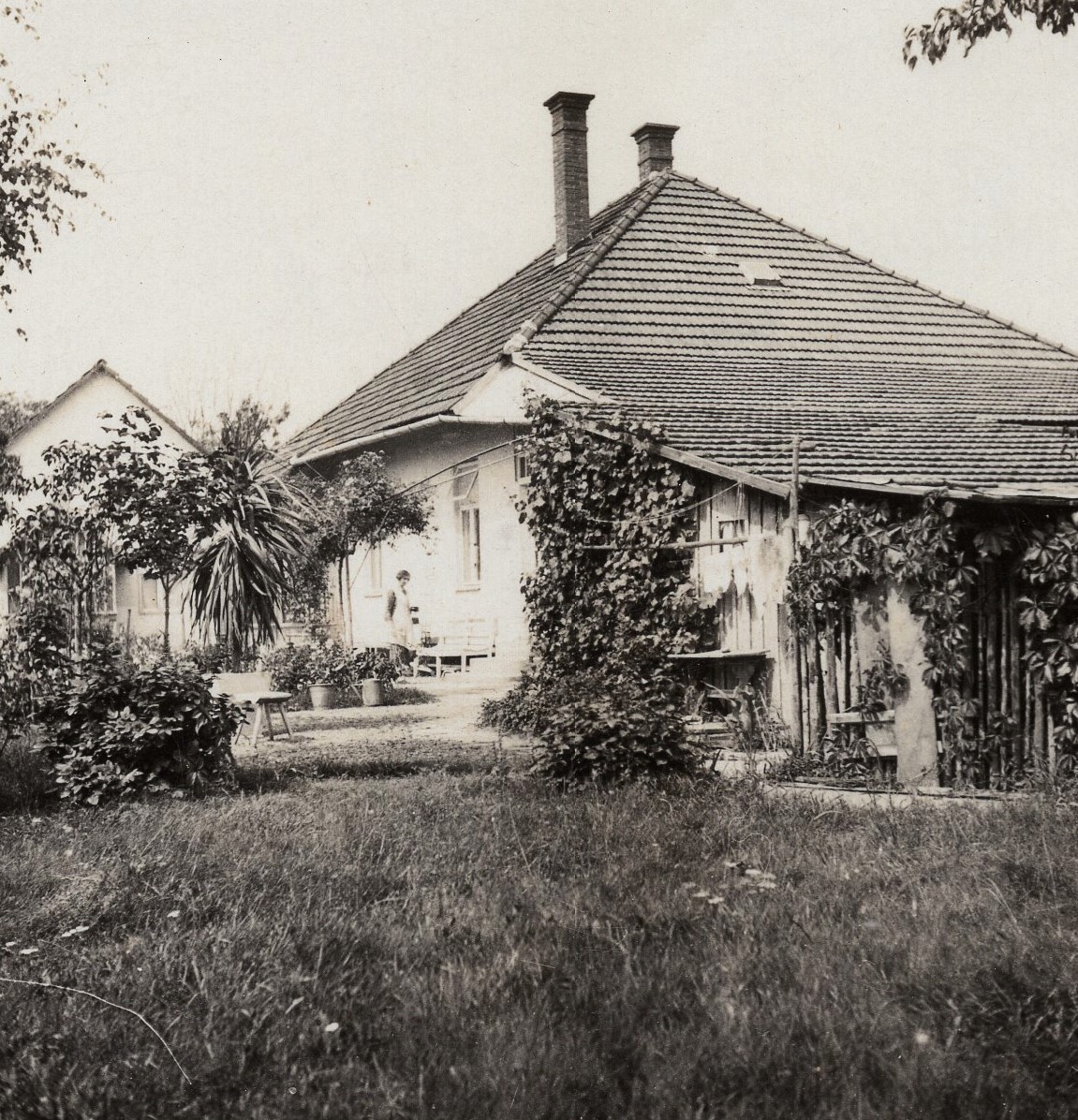
"When the war was going on, my grandmother was forced out of her flat in Ratiboř by the Germans, then she lived in a small house where the Germans were spreading out. Well, I don't know if it was... why we left Vsetín for Ratiboř, I don't know... if it was because of my grandmother, so that she wouldn't suffer there... I don't know. Dad walked to Jablunka, and from there he took the train to Vsetín, because there was no bus there then, and to work and back the same way. And then, when we couldn't live with my grandmother, we lived in the cellar. The cellar was built in 1928, an excellent apple cellar, we still have it today, in the hillside. And there, in the cellar, we were living. Some neighboring family came, a woman and a boy, some Škrl family. The boy was a few years older than me. And there we were living, cooking, I don't know, I don't remember. But I know that the boy was always sitting on a barrel and kicking the barrel with his feet, that he was making noise."
"Come on, if we take my mother's family, on the first day of the war the German Nazis came with this motorbike with a sidecar. They just did a purge. Then they arrested the lawyer where my Frenštát grandfather - Šrubař - worked as an associate. So they took the lawyer and my grandfather, put them in a concentration camp, and it turned out that the grandfather spent... the whole war in a concentration camp. Then he came home, he weighed thirty-eight kilos, just bag of bones. And the lawyer didn't come back, he died there."
"I escaped from the faculty to the railways, I was there long enough, and there was also a terrible communist bastion, terrible. But they needed me again, they needed me as a teacher, so I taught at the Institute of Company Education and at the same time I worked at the health centre. There they told me that what I was doing. I was doing medical work, so I had to have a medical faculty. They told me to go to Brno to medical faculty. They thought that I would refuse medical school or that I wouldn't be able to afford it. I did a distamnce study, I could use my study leave, I had a good time. They thought they'd ruin me. I finished that school, and when I finished, I was supposed to have a salary as a non-certified physician. I didn't have that salary, I had a salary like the laundresses in the laundry, we showed each other our salary receipts. And I have such a 'wonderful' pension because of that. But I fulfilled it and they couldn't fire me."
"My grandmother in Frenštát intervened. She had a client, a lady teacher Dobečková next door from the countryside - from Lichnov - and the teacher said: 'Mrs Šrubařová, why didn't you tell me before?! My sister is the headmistress of the health school in Kroměříž and I'll take care of it.' She called her sister and she said: 'Oh my dear, I sent the report today... I had applied to the health school, I tried everything, even the health school in Kroměříž. 'Oh, we sent it today!' She ran to the postman's flat at night, they went to the post office and searched in bags until they found it. So she invited me to the entrance exams, I passed the entrance exams, I was very excited, everybody was nice to me at the entrance exams. Well, I was admitted and those four years, they were the best four years of my life."
"I remember that we fled there from Vsetín, where it was very dangerous. There was a threat of bombing, so we went to Ratiboř, where there was an apple cellar, which is still there today, and we hid there. And it wasn't only us who was hiding there, but also some neighbours, and they had boys. I was a little girl, barely two years old, the boy could have been six years old, and he was so nervous. He sat on the barrel and kept hitting the barrel with his feet." - "So you were multiple families hiding in one cellar?" - "Well, my parents and I and the little boy and the grandmother were hiding in that cellar. There weren't any more people in there, that was enough. Well, I... it was so quiet in there, I didn't hear the sirens going off. Because I was always screaming, I was so scared, of course."
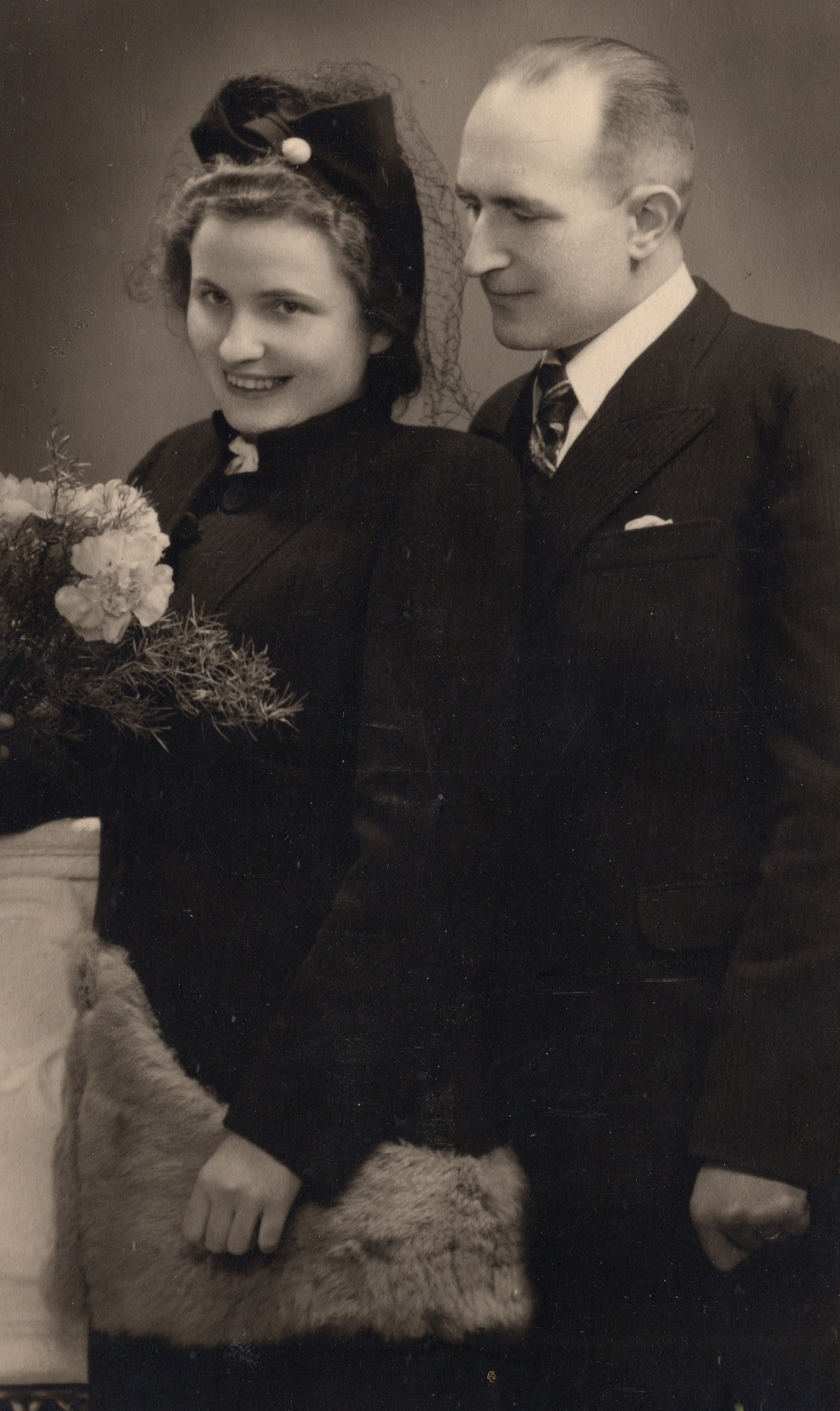
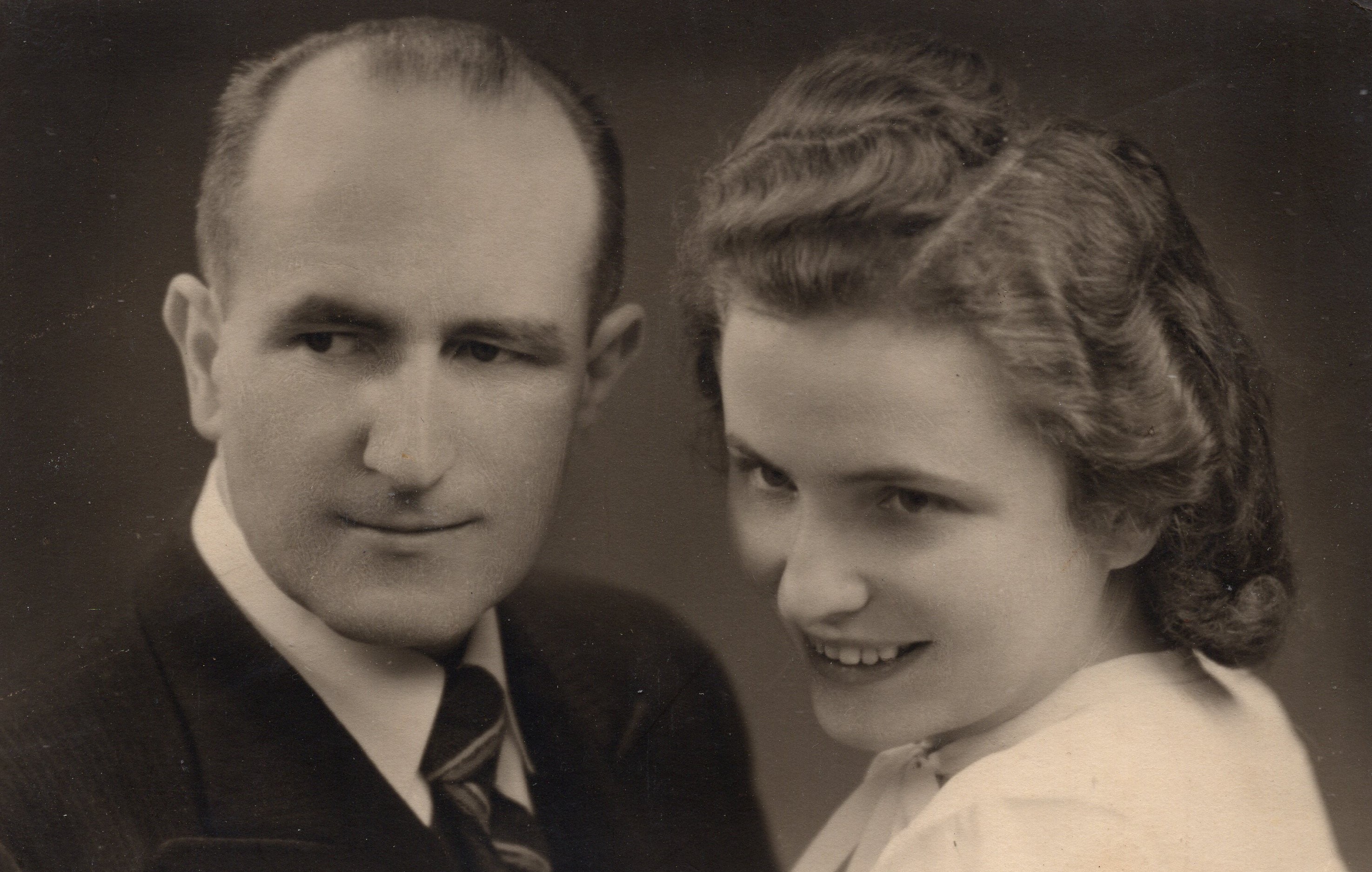
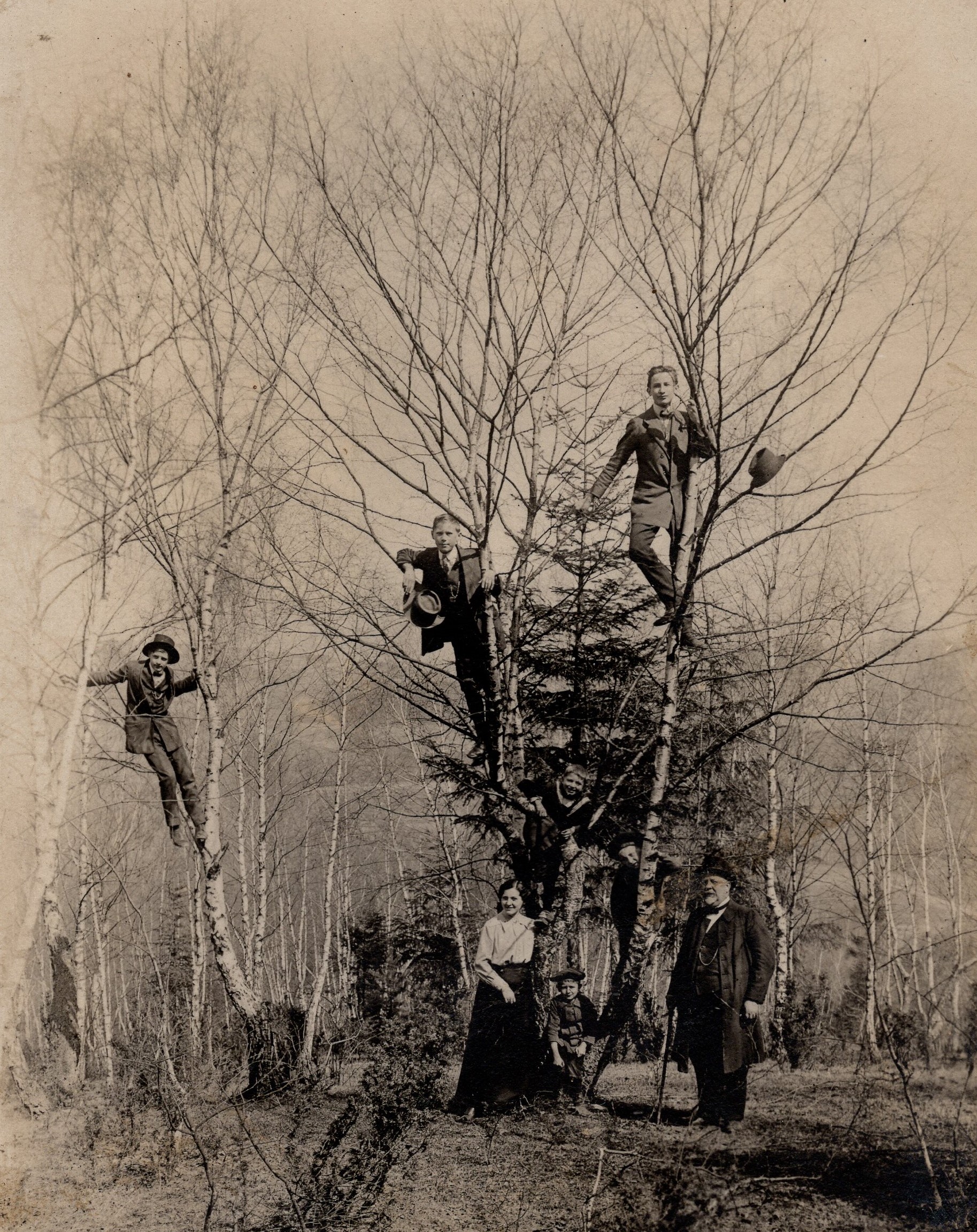
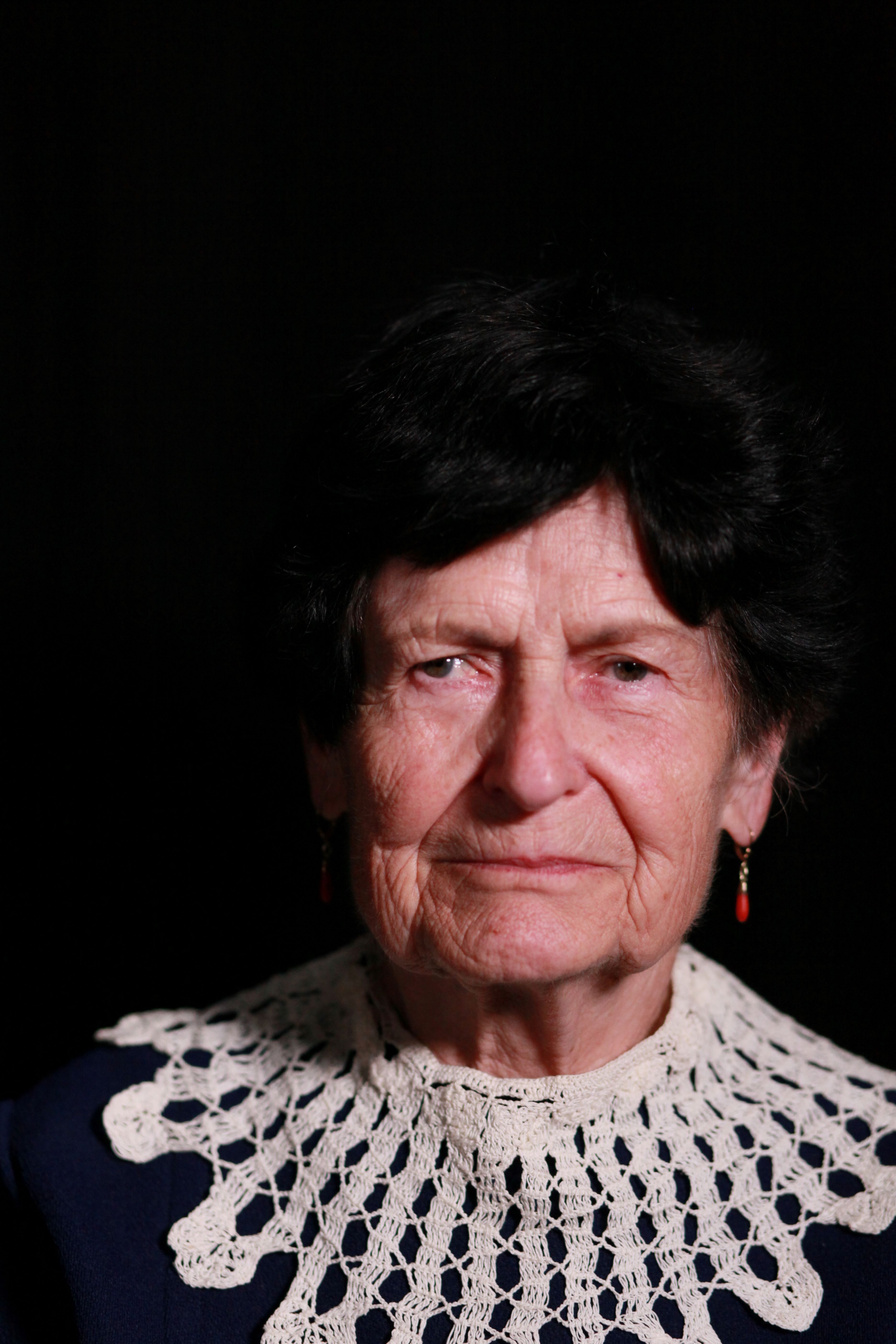
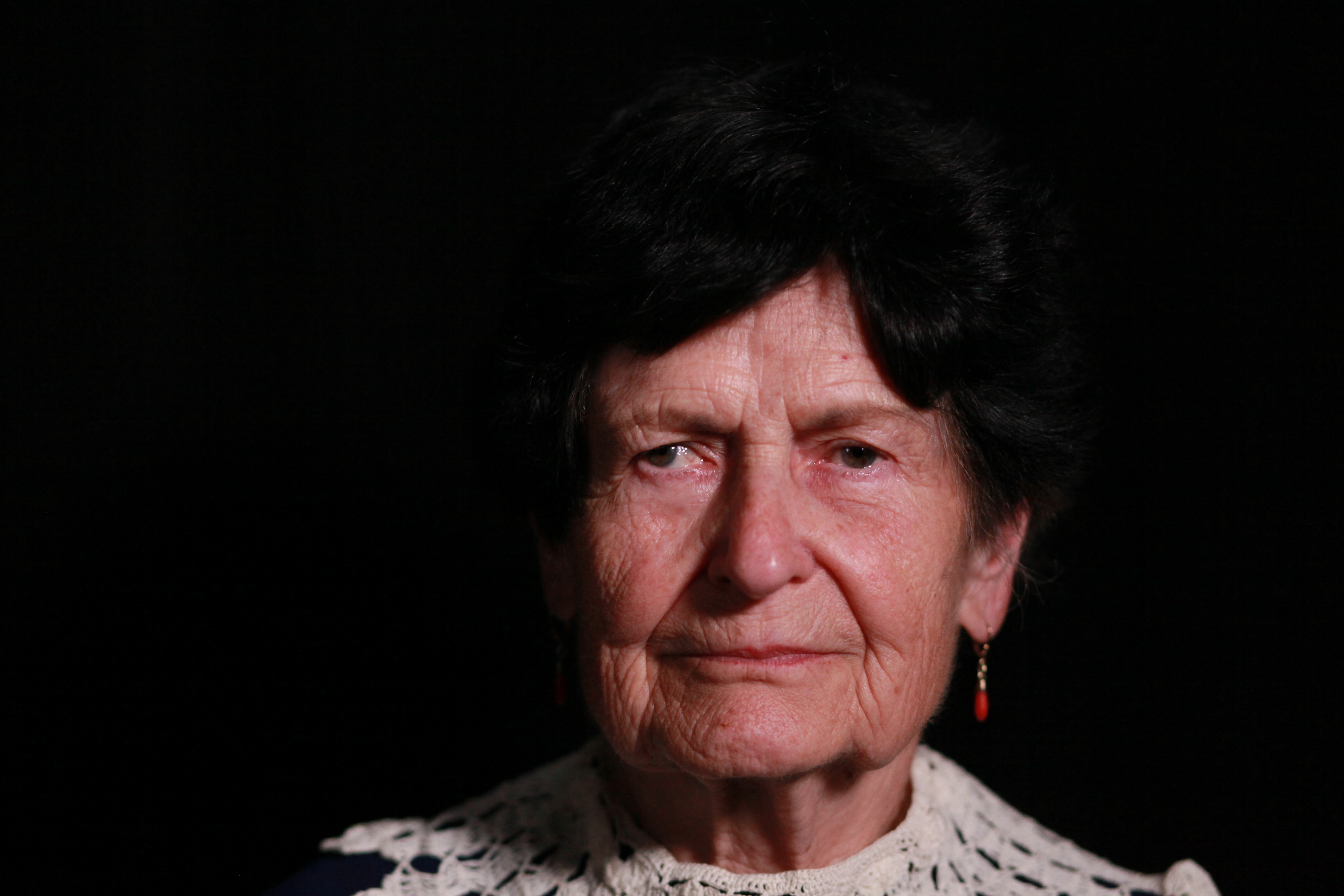
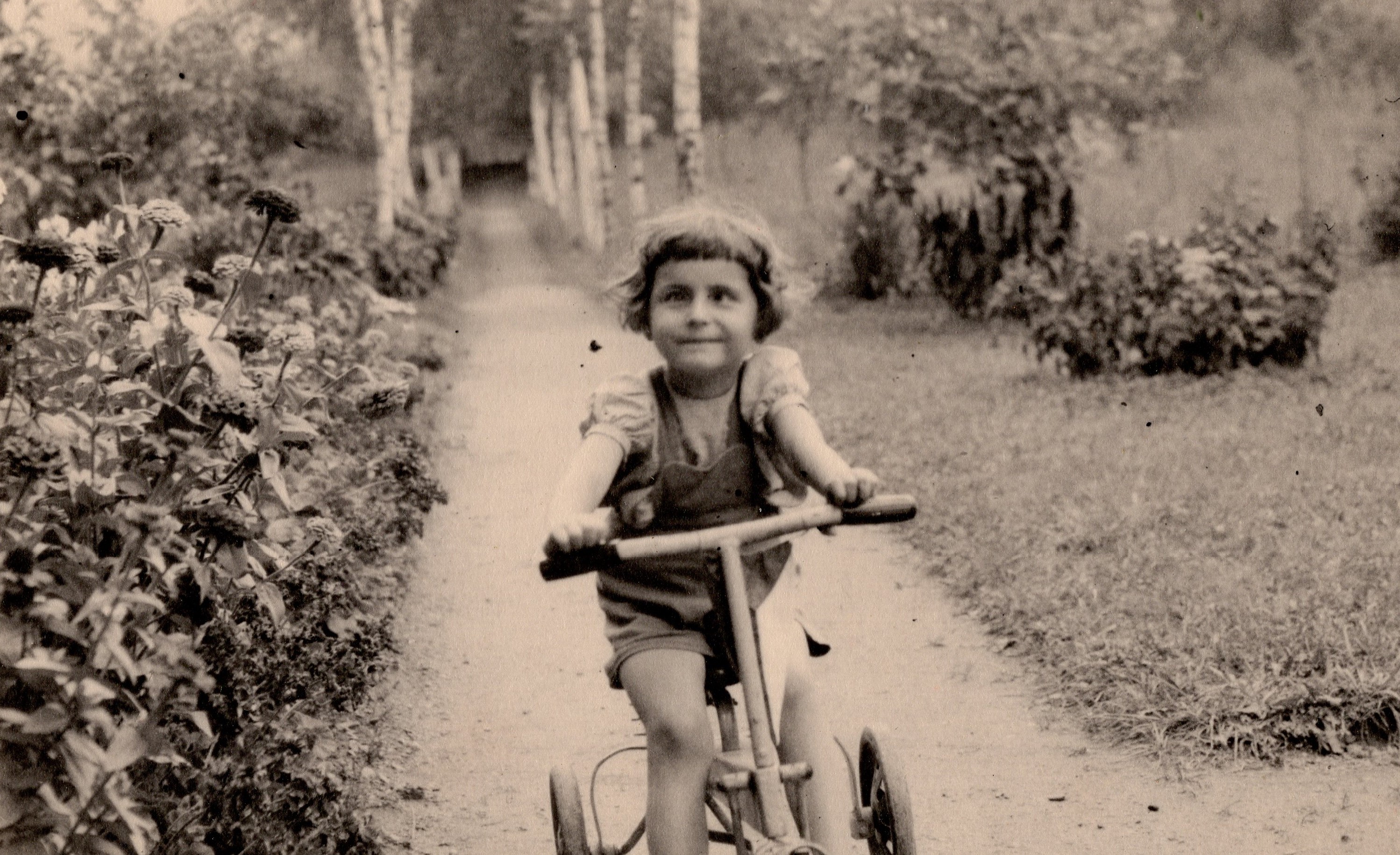
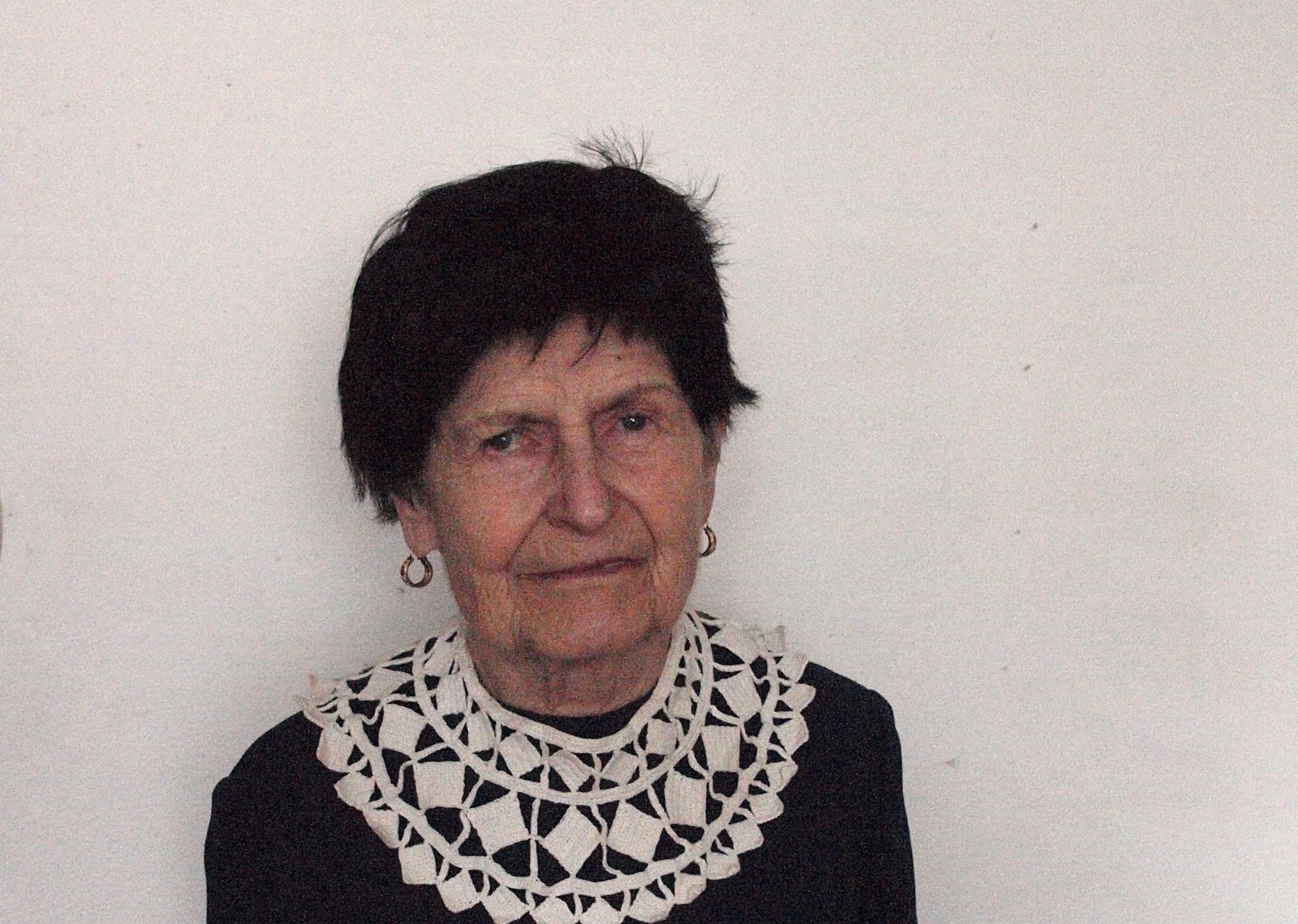
Naděžda Dvořáková was born on 12 October 1942 in Vsetín. She grew up with her parents and younger sister Hana (1948). Her parents Vladimír Dvořák, originally from Ratiboř, and Zdeňka, née Šrubařová, worked as clerks. The parents married in 1941 and spent the end of the war with grandmother in Ratiboř. Her mother‘s father, Jan Šrubař, a law clerk, was arrested at the beginning of the war and deported to the Sachsenhausen concentration camp. The family was also hit hard by the effects of the onset of communism - one of the grandmothers had her trade nationalized, the other was affected by collectivization. Because of her background, Naděžda found it difficult to find her way to education, eventually graduating from the Secondary Medical School in Kroměříž. In 1961, she joined the hospital in Nový Jičín, then studied pedagogy at a distance. After her marriage in 1964 she moved to Pardubice, where she taught, and after her divorce in 1965 she returned to Olomouc. She worked at Professor Vejdovský‘s eye clinic and studied history - geography and tourism at the Faculty of Arts of the University of Applied Sciences. In 1977 she started teaching at the Institute of Corporate Education of the Czech Railways, she also worked at the railway clinic. In order to exercise her profession, she had to complete her education at the Medical Faculty of MU in Brno. In 1998 she took early retirement due to health problems. She is a member of TJ Sokol Olomouc, previously she represented the Czechoslovak Socialist Republic in hiking in the TJ Slovan Vsetín club. In Ratiboř, where her grandfather Čeněk Dvořák used to be a parish priest, she is a member of the elders of the parish choir of the CCE and keeps the choir chronicle. In 2025 Naděžda Dvořák was living in Olomouc.