Better to sacrifice for freedom than to live in unfreedom
Stáhnout obrázek
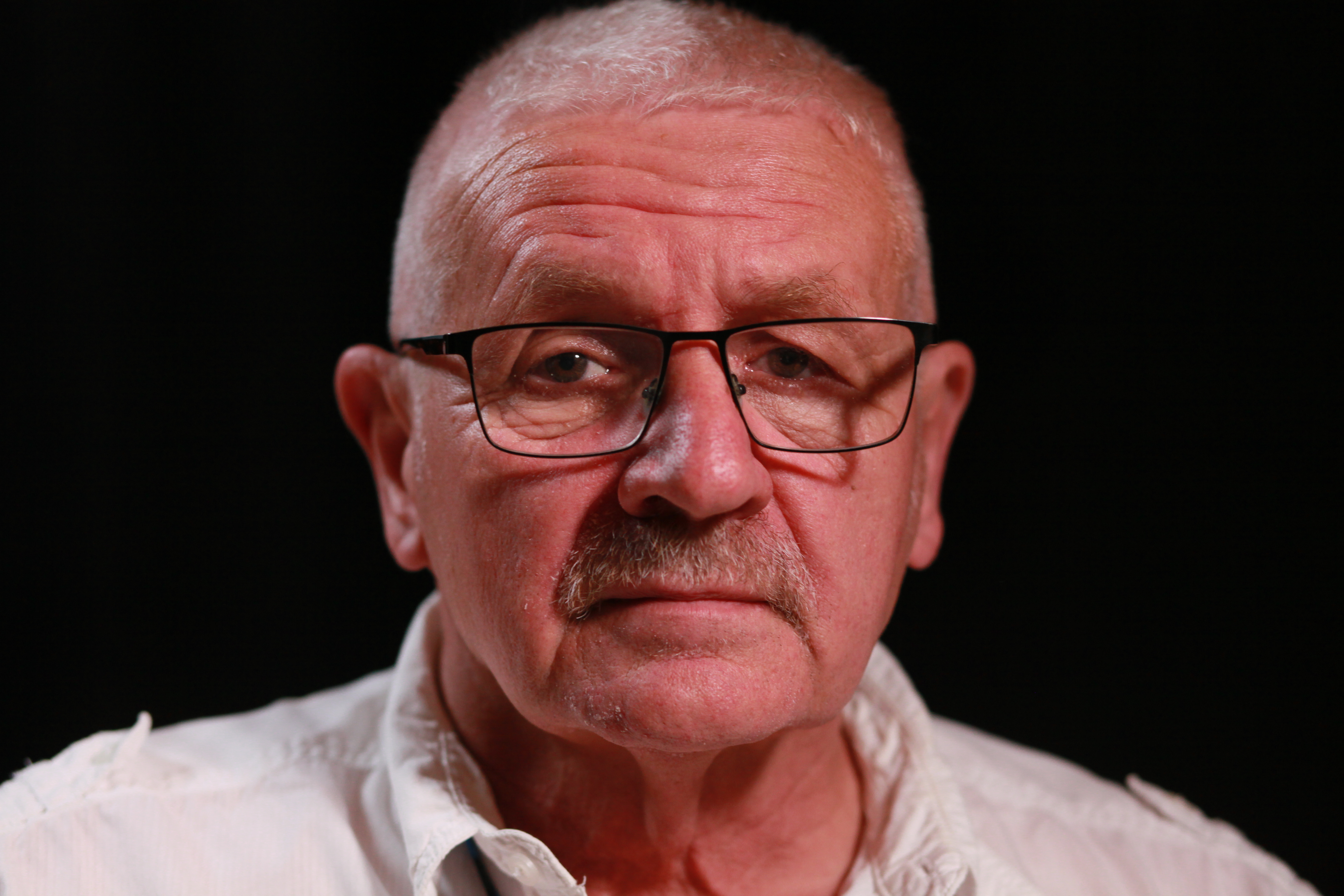
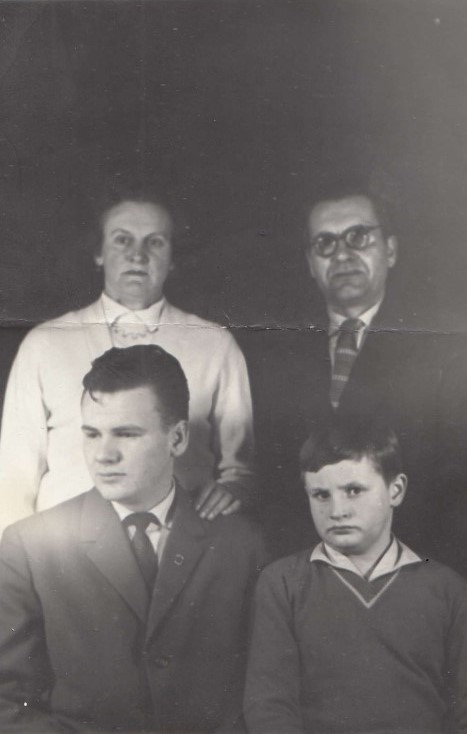
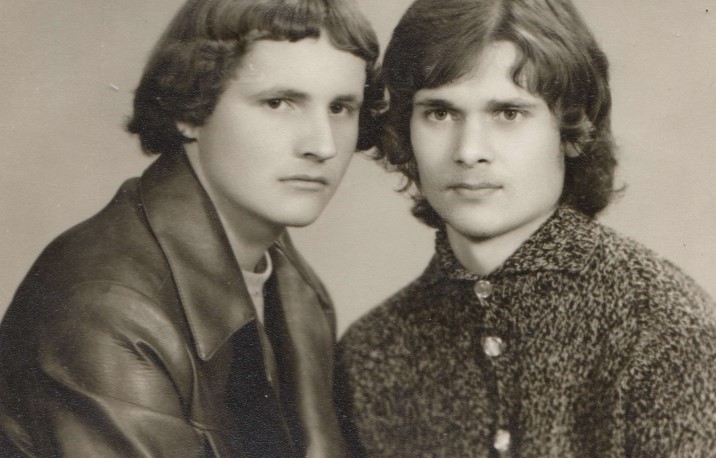
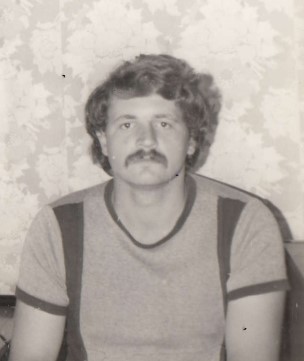
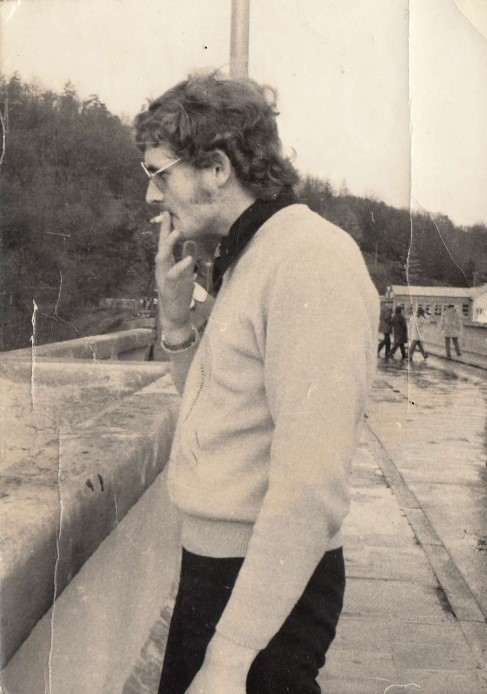
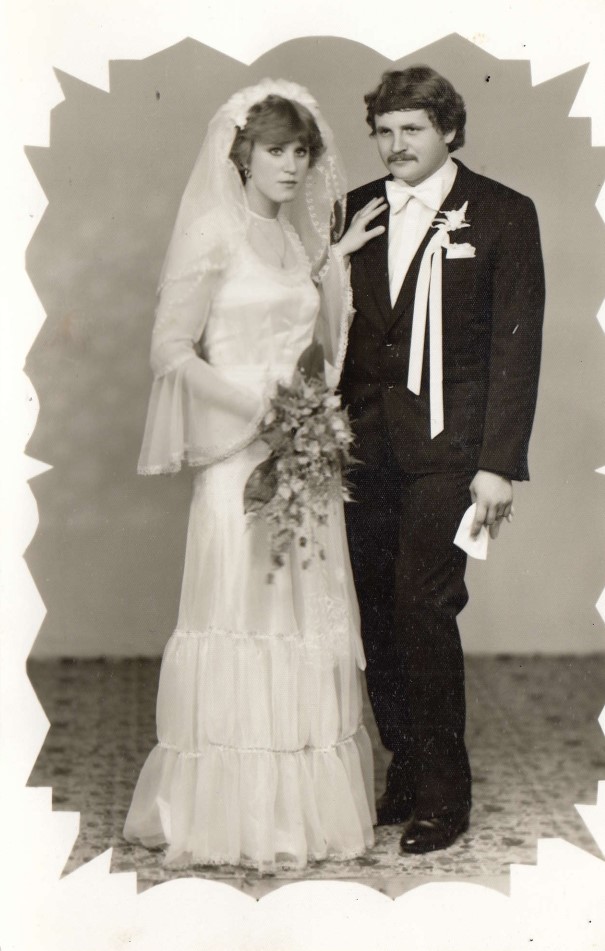
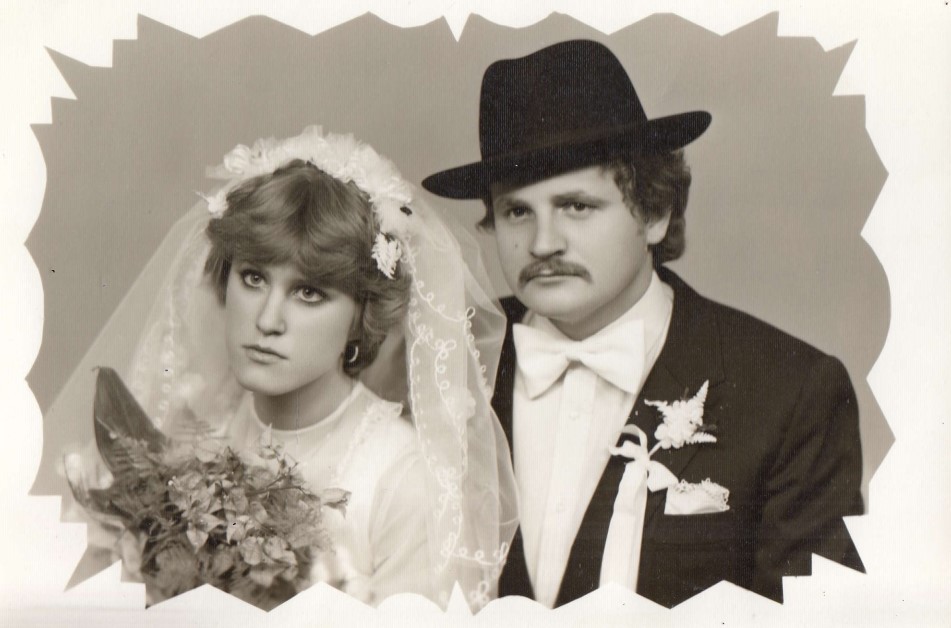
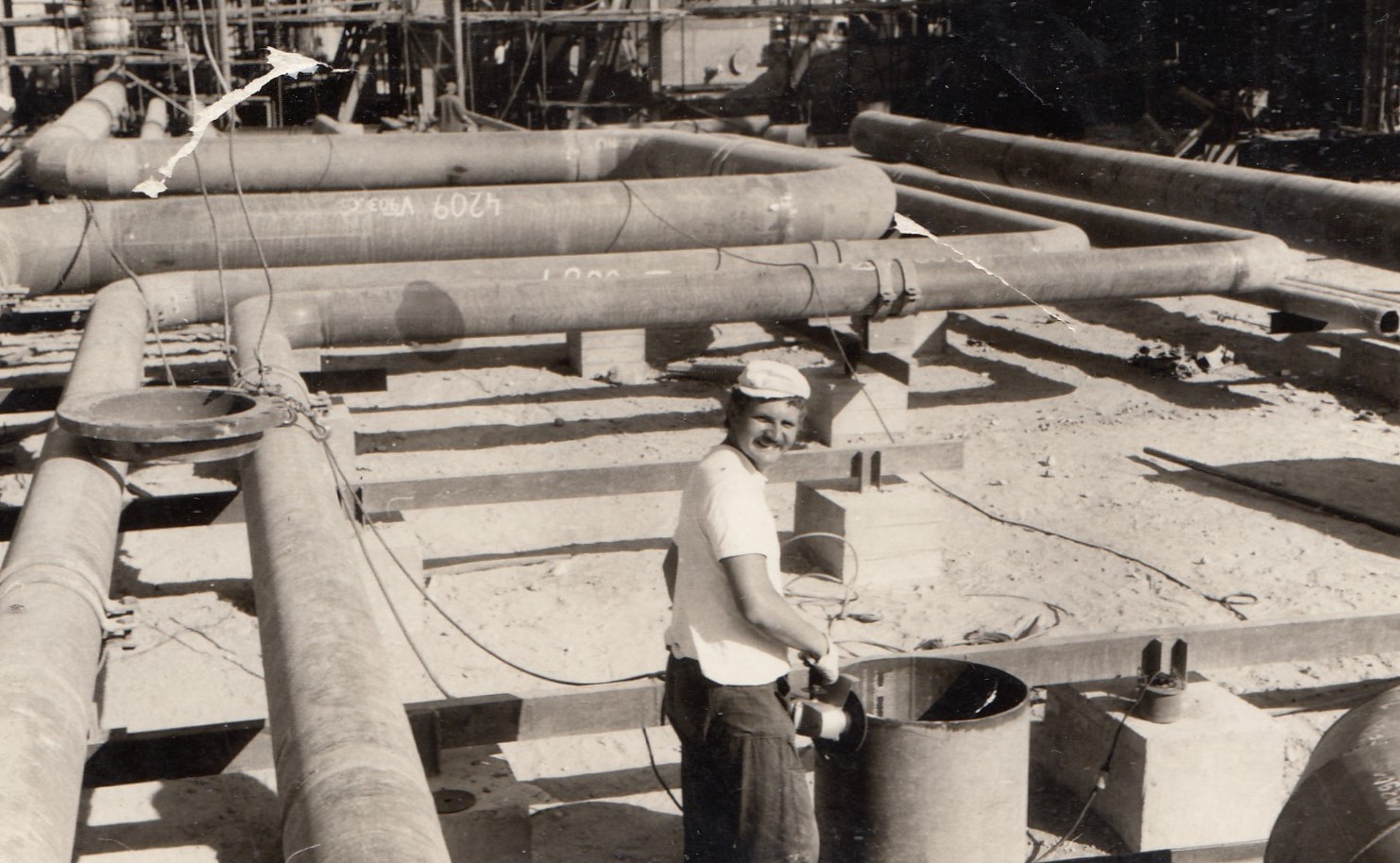
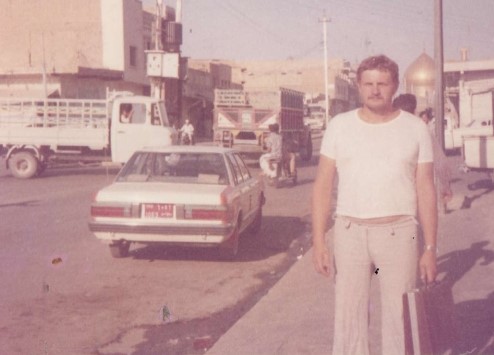
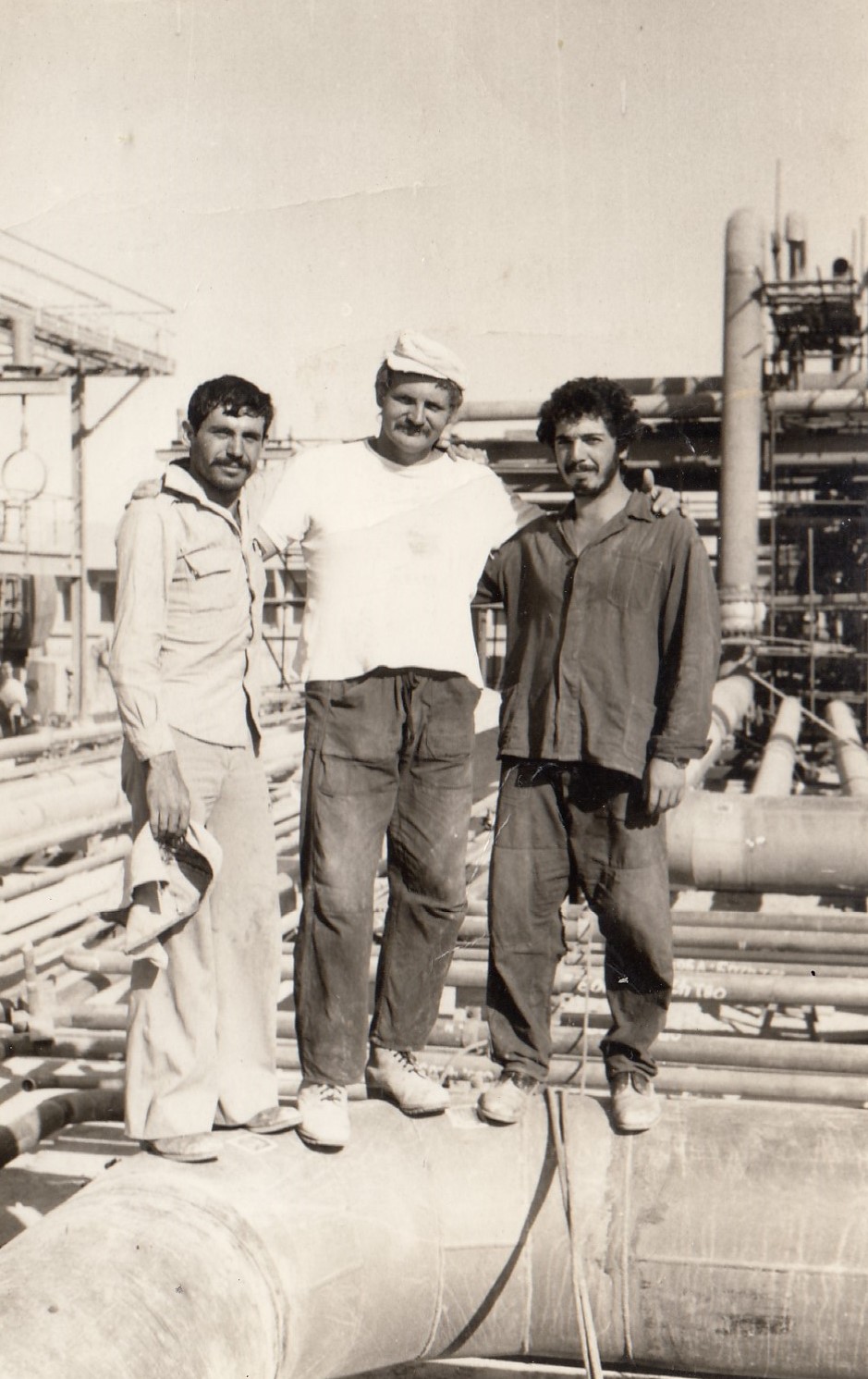
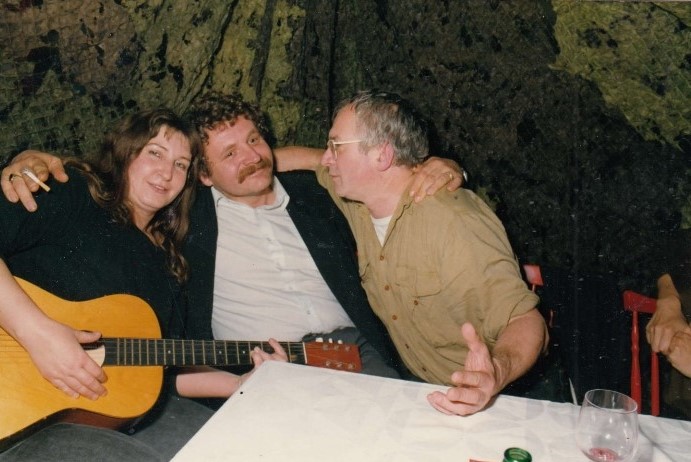
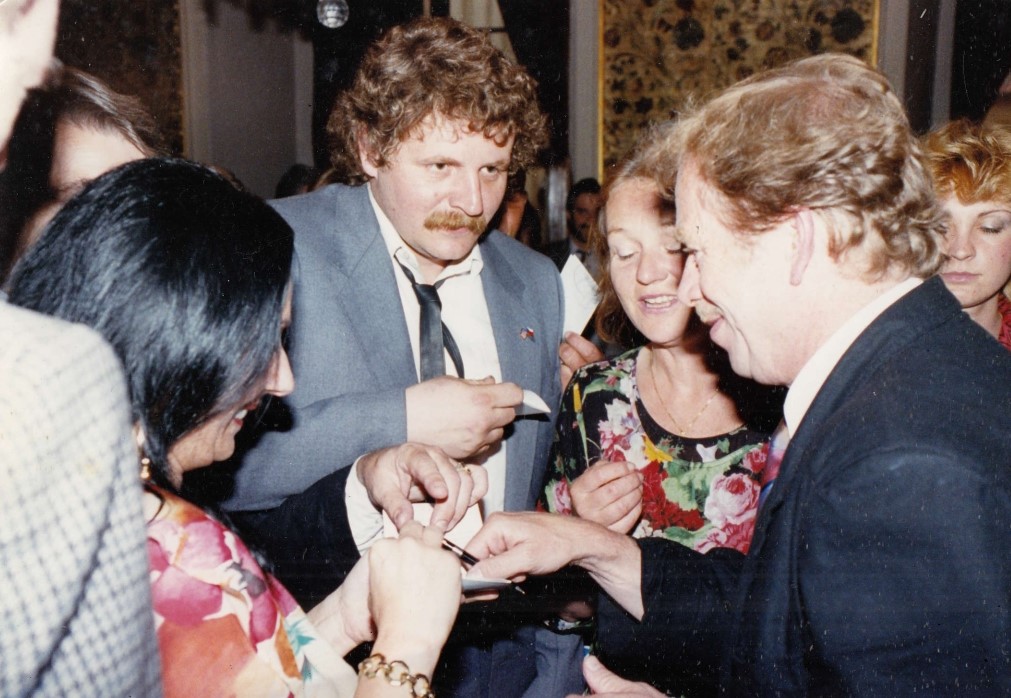
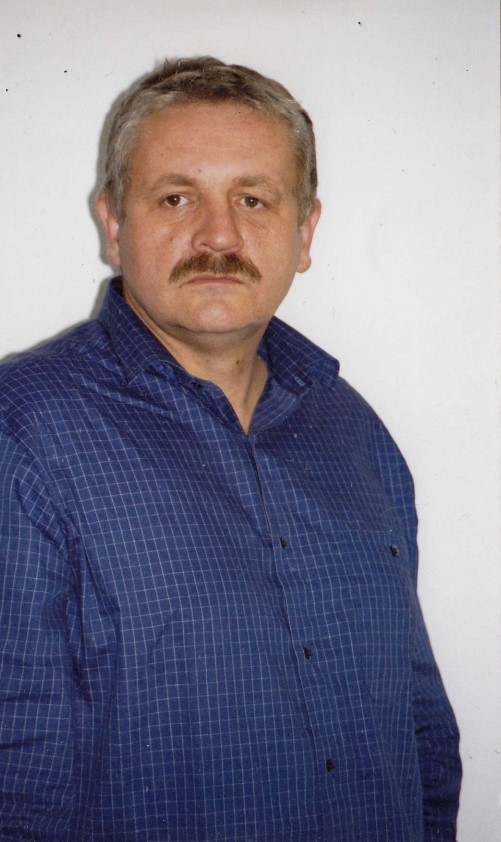
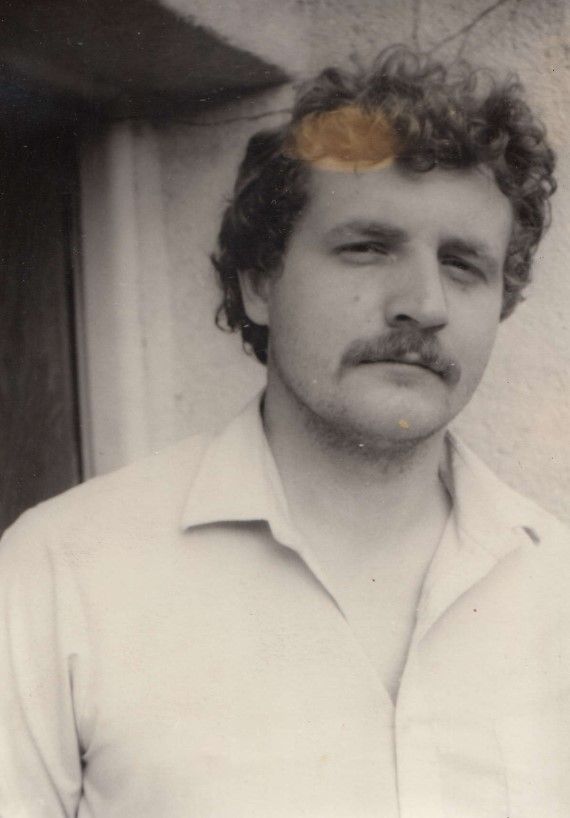
Petr Dušejovský was born on February 11, 1954 in Znojmo to Milada (née Smolová) and Josef Dušejovský. His father was a warehouse manager in the railways, his mother a housewife. The family moved to the Znojmo area after the Second World War, in 1947, when they bought a house after the Germans had been evicted. Petr Dušejovský graduated from primary school and then from the locksmith apprenticeship in Kuřim, later he worked mainly in manual jobs (state-owned companies TOS Kuřim, Montas Hradec Králové, Strojobal). At the age of 14 he was severely affected by the invasion of the Warsaw Pact troops, turning over signs and drawing anti-Soviet inscriptions on the walls. He persisted in his resistance even later, acquiring a cyclostyle and printing anti-regime leaflets at home. In 1980, shortly after his marriage, he visited Iraq on business, inspecting Turkish workers building an oil refinery at a time when the country was at war with Iran. After a few months, he returned to the Czechoslovakia because of a tropical illness. In the second half of the 1980s, thanks to listening to Free Europe, he was able to connect with the Prague-based dissident group Democratic Initiative. With Eva Štolbová, Emanuel Mandler and Bohumil Doležal, he met in a conspiratorial flat in Bubenská, printed leaflets and went among the people with petitions - he himself, for example, with a petition for the release of Václav Havel or Pavel Wonka. Later (1988), he was denounced by the director of Strojobal and interrogated by the State Security Service (StB) at his workplace; after this experience, he used his contacts in Solidarity and escaped to Poland. On his return, he was arrested at home and imprisoned for one night in Znojmo, but was released without justification. Until the fall of the regime, he was under pressure from the secret police, who frequently investigated him, spied on their dissident meetings and put a man directly into the Democratic Initiative. He actively supported the events of November, but was disappointed by later developments - he felt that the „old cadres“ remained in place. After the Velvet Revolution, he was briefly politically involved in the Liberal Democratic Party (LDS), one of the many offshoots of the OF. In 2025 he lived with his wife in Znojmo.