"At the end of the war, well, whether from the winter or the autumn of 1944, I don't know, just a few months before the end of the war the Germans occupied the buildings of the school here, which was a general school, a municipal school. And we studied here in different places. I went, for example, it was a big villa near the castle, where originally there had been Jews, and so we had classes there, in that villa. And in the spring of 1945, so there were such raids here, but only on the station. It was called low flying planes, raids on the station. Before that there were sirens, the teacher would say, 'Well, children, you have to go home, there are low flying planes again!' So we ran up to Havlín, that's the hill here, a little forest, and we sat there and we watched, you could see the station, the planes - and that's just where the carriages were - shooting at it."
"So they had it really perfectly prepared and they had worked on it for a long time. That in a train, in a certain type of carriage - they had just found out how the carriages were labelled, in those big letters, small letters, a dash, a number, so they knew: only in this one! It has to be connected to the train that goes to Munich, so regularly there are certain carriages. And this carriage was always there. So that's what they put it on, that's what they focused on, and that's where they tried it out. And it was that the ceiling in that carriage, there's some sort of bars or beams. And there's just formica board from the corridor and from the toilet. And it's fixed together with screws, normal screws. And so they - how they figured it out, I don't know - but they tested this, they verified that this is the way to escape, this way."
"As we used to commute, both of us [my brother and I] were going to Prague for work, and he says to me, 'Hey, did you notice that the carriage you were trvaelling in is disconnected here at Smíchov station?' I said, 'I don't know what the numbers were, what the signs were, I never thought to remember that.' He said, 'I know exactly! This carriage here.' Because there were, there were some repair shops here - here within this area of the Smíchov railway station - so there were some repair shops there, they said. He said, 'It's standing there and they're probably checking it - repairing and checking it. I said, 'Okay.' I was sort of slowly realizing what I had actually done, so I didn't want to talk about it too much."
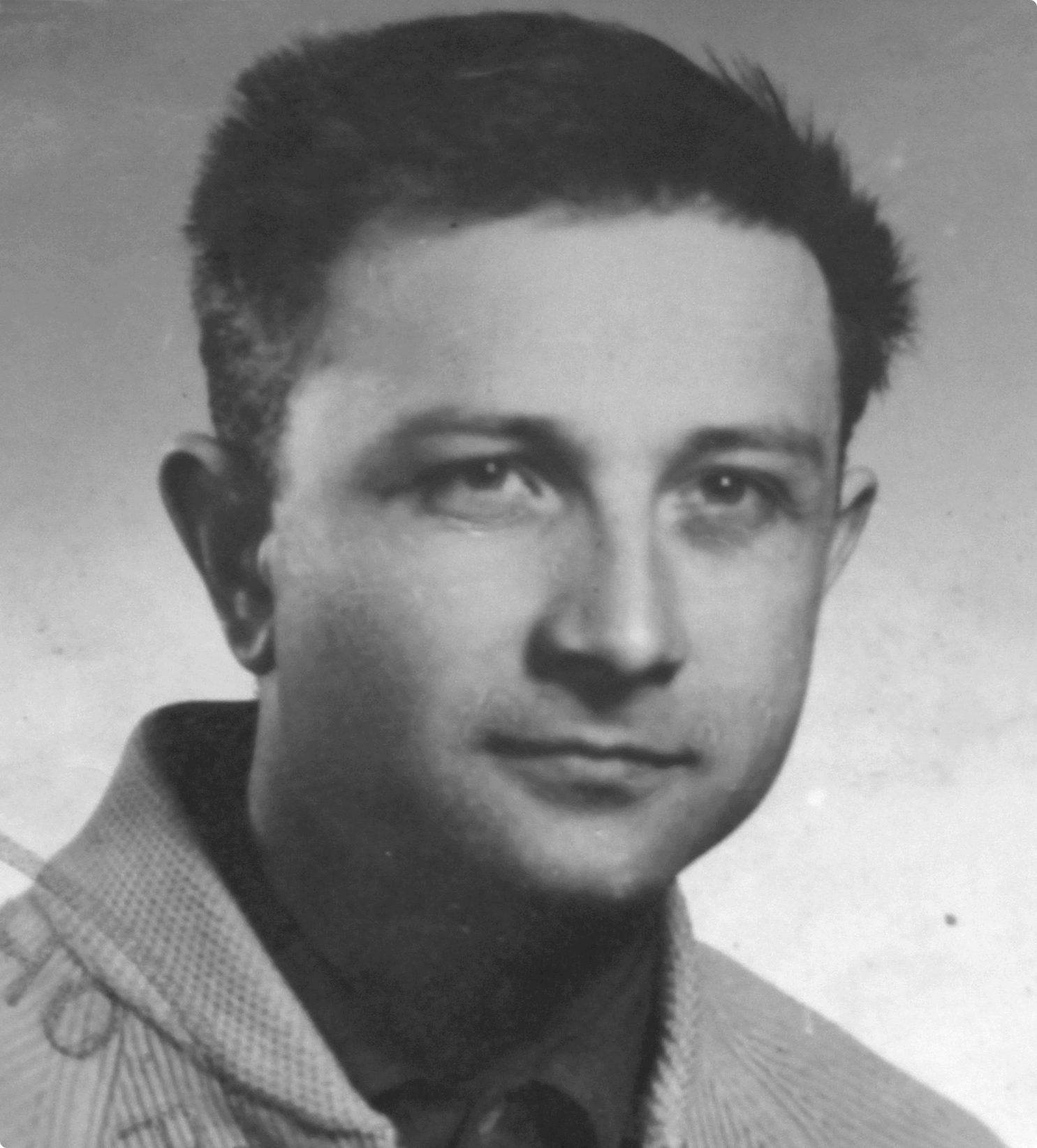
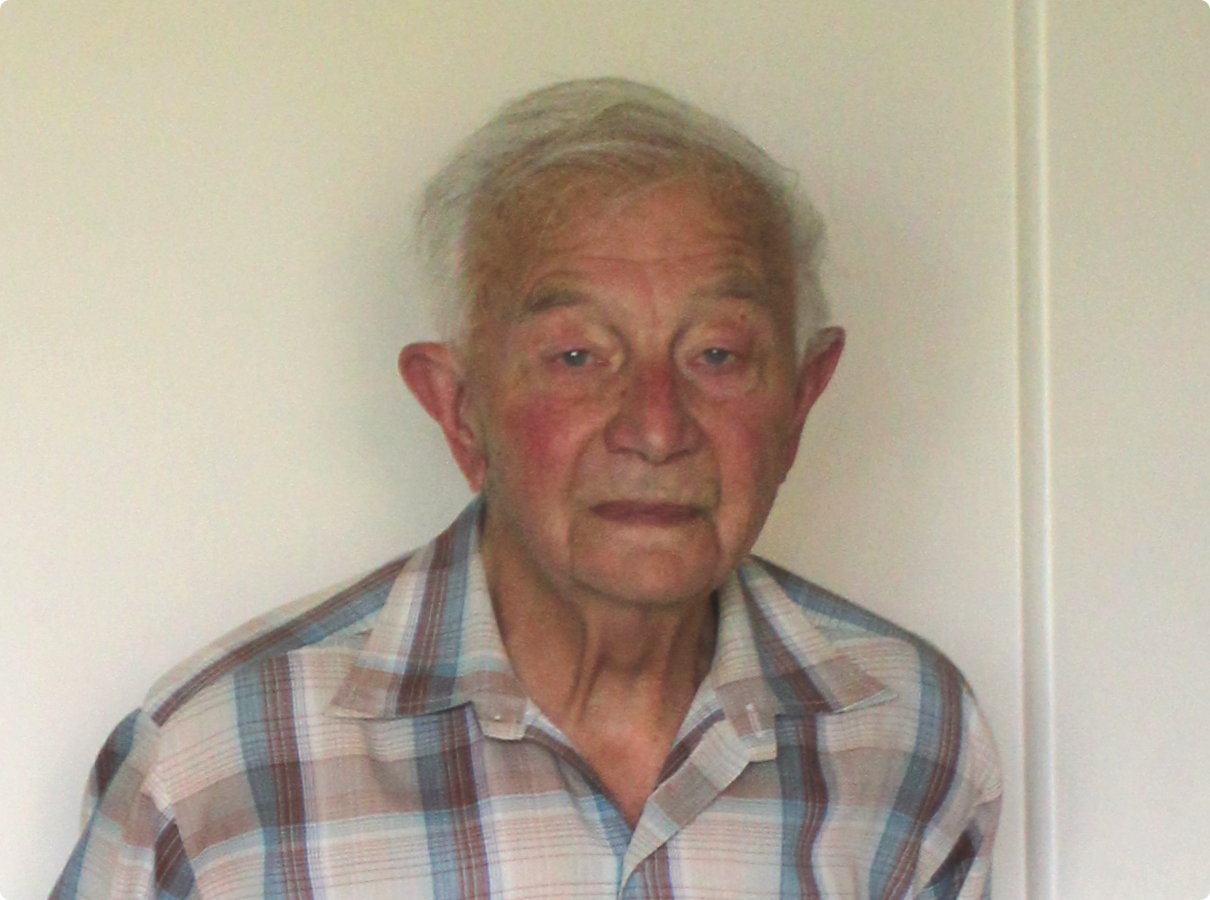
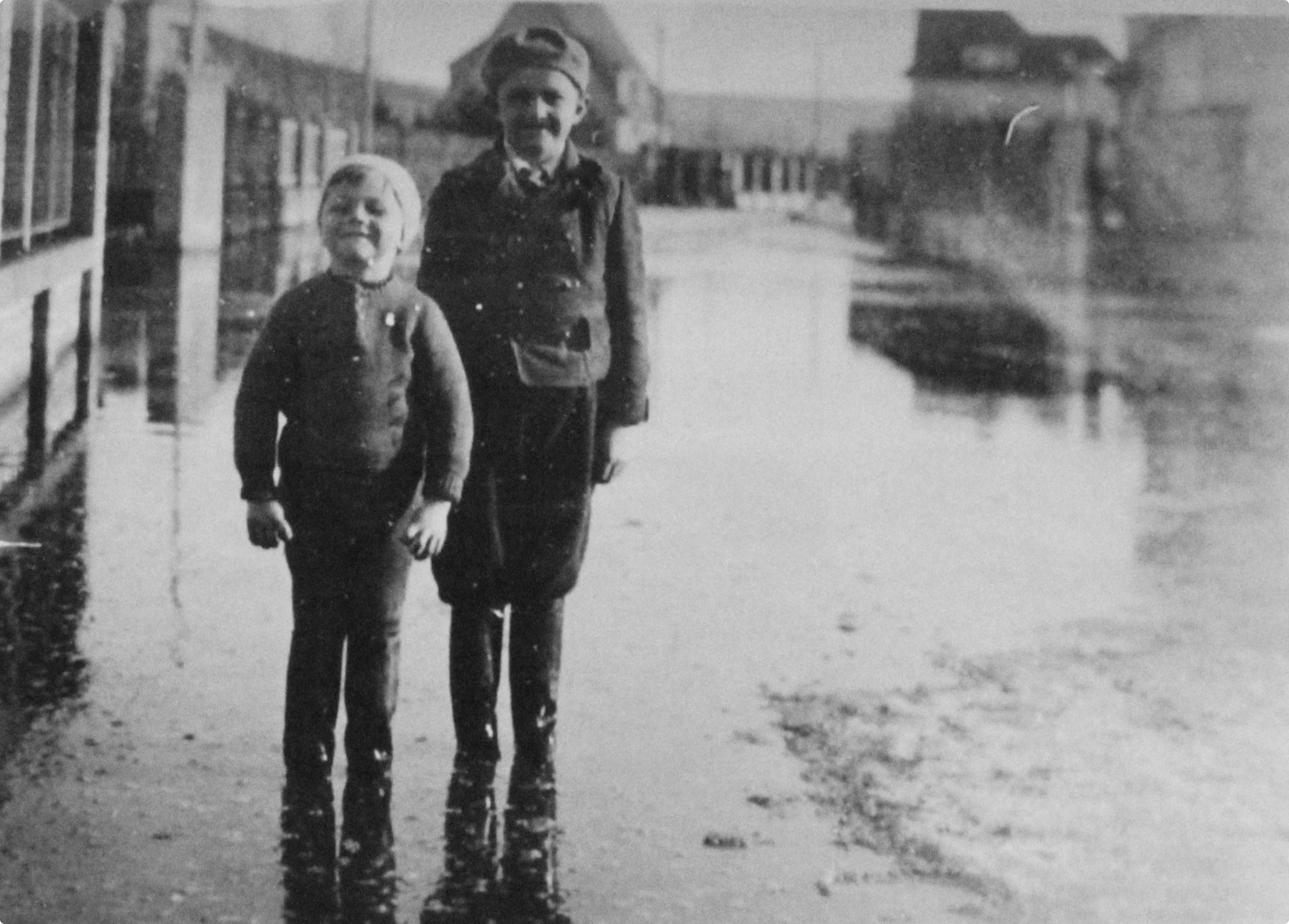
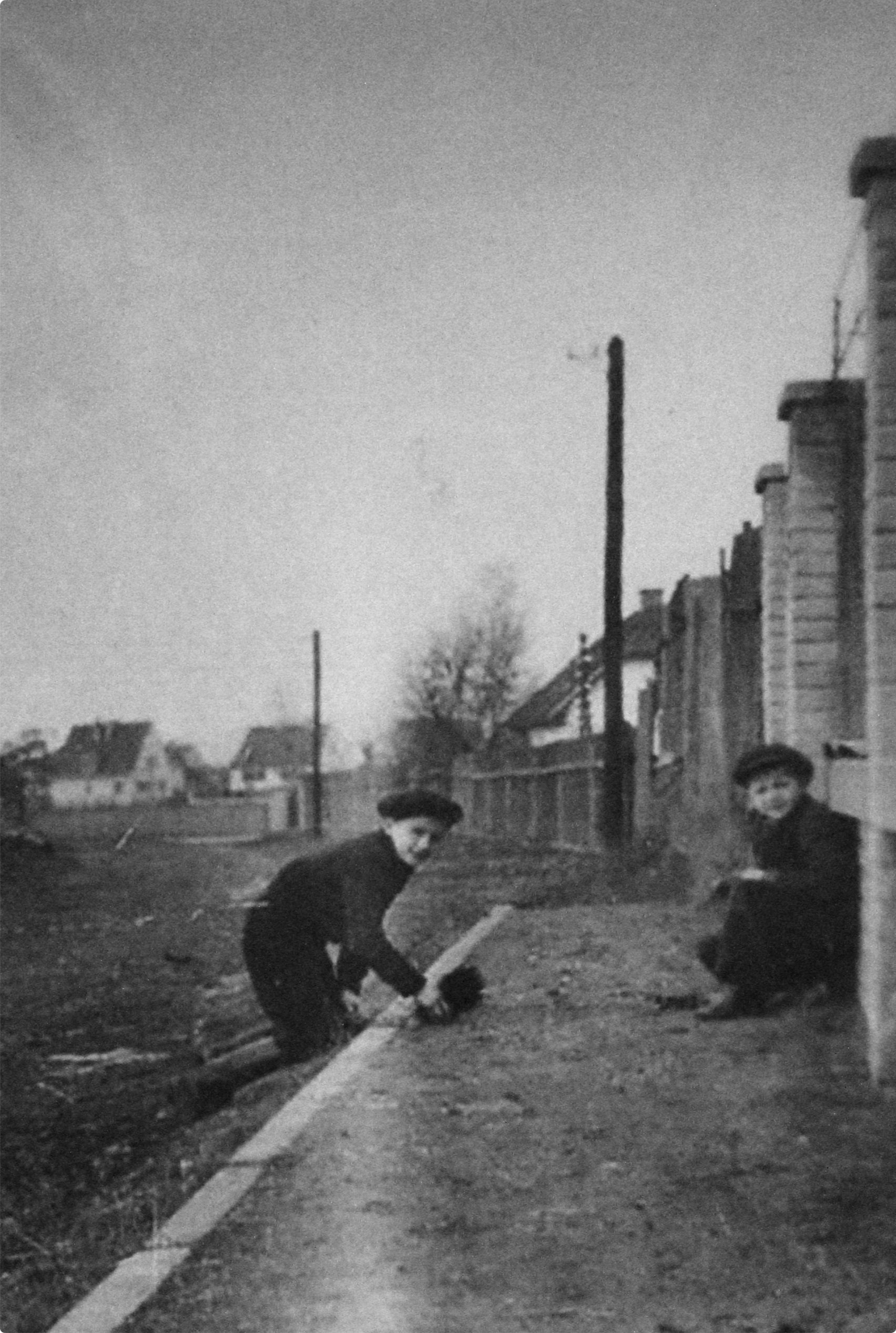
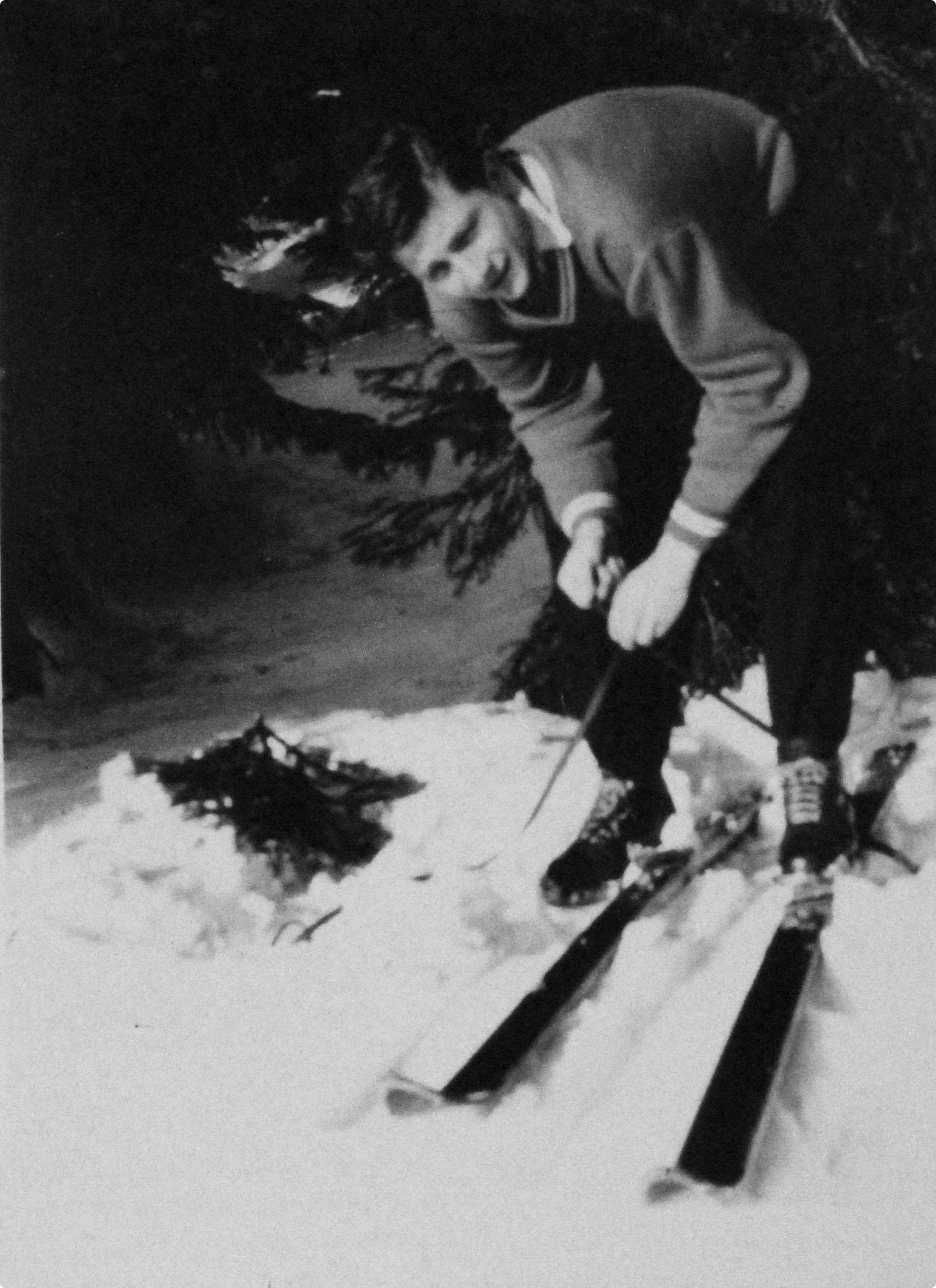
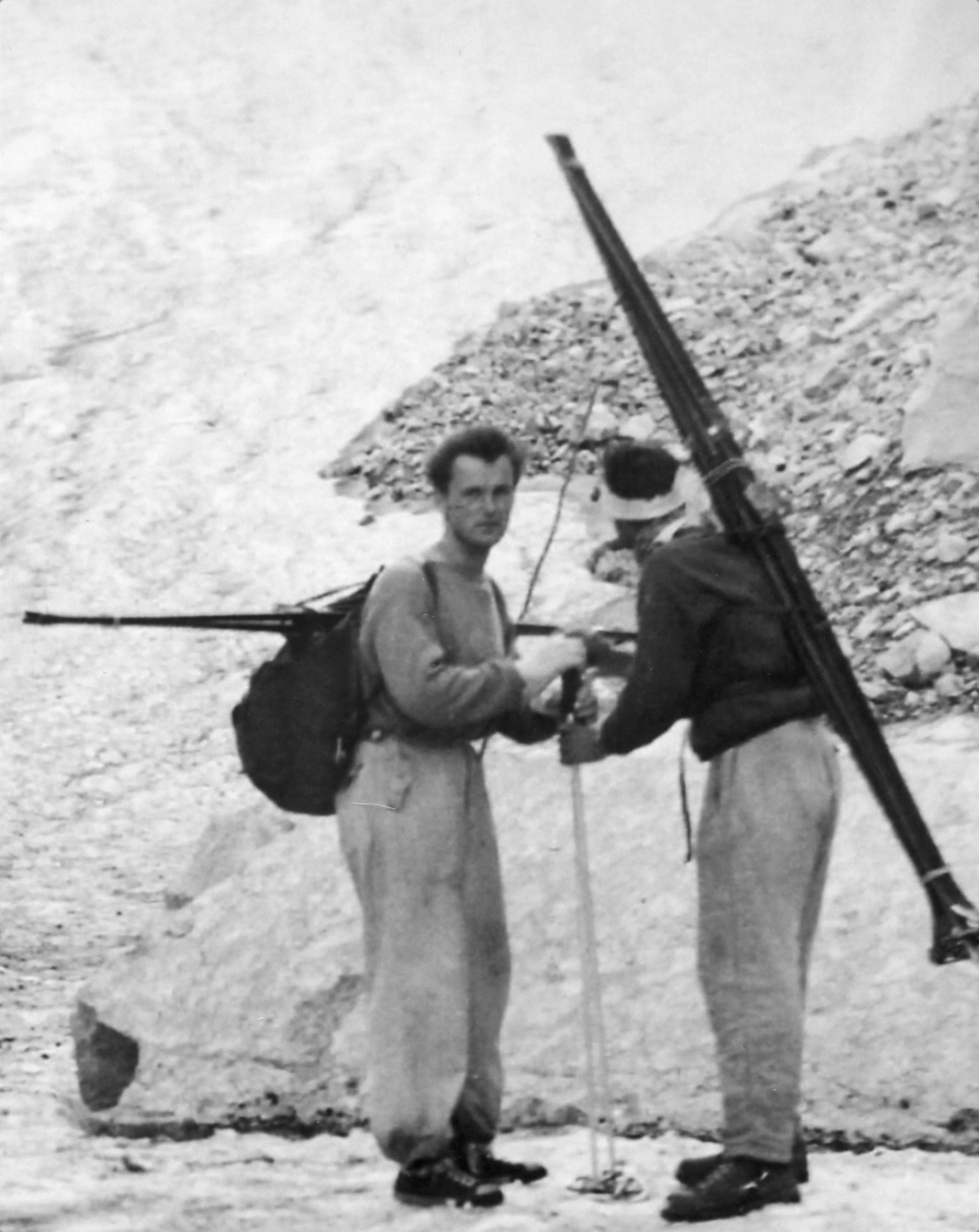
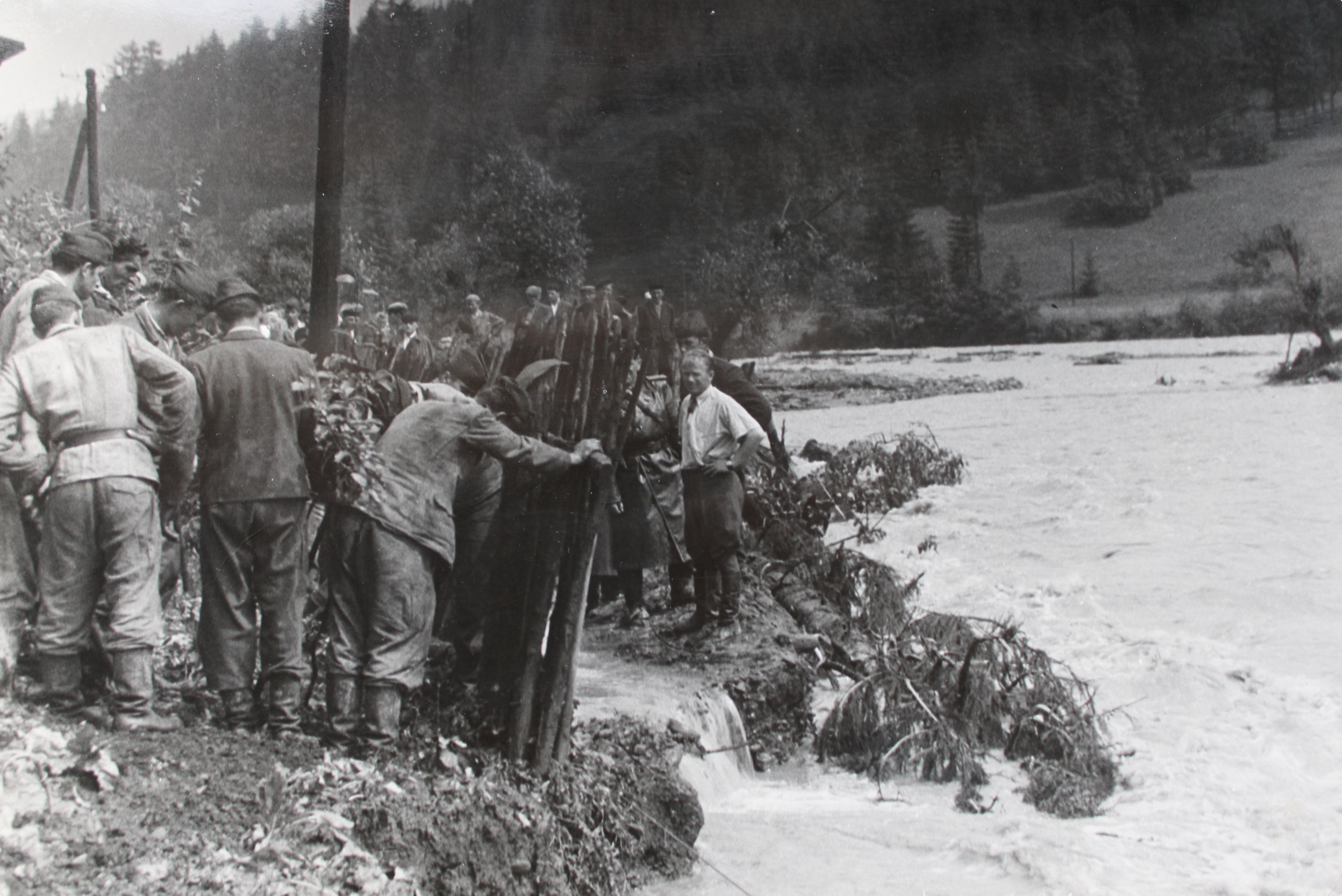
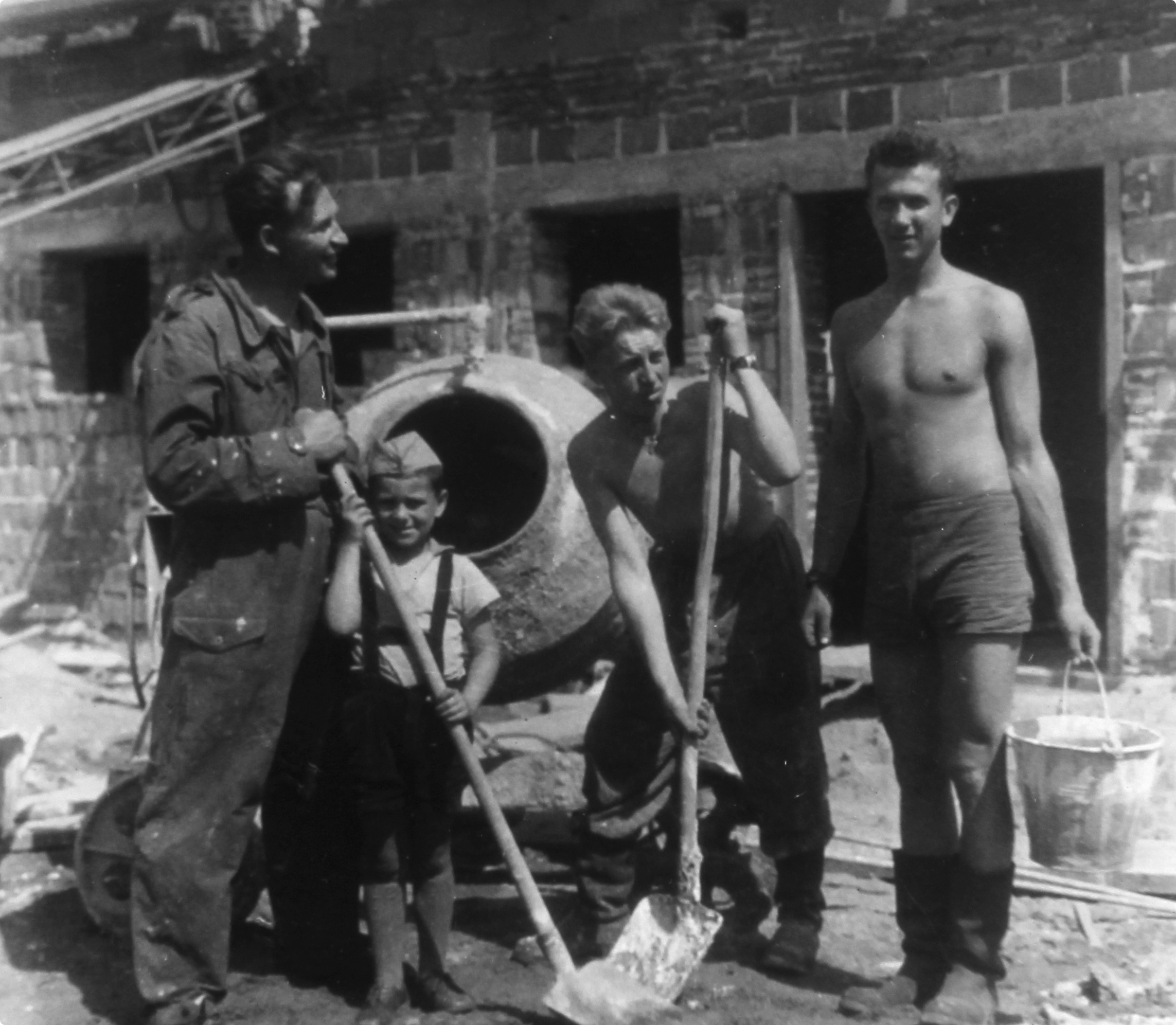
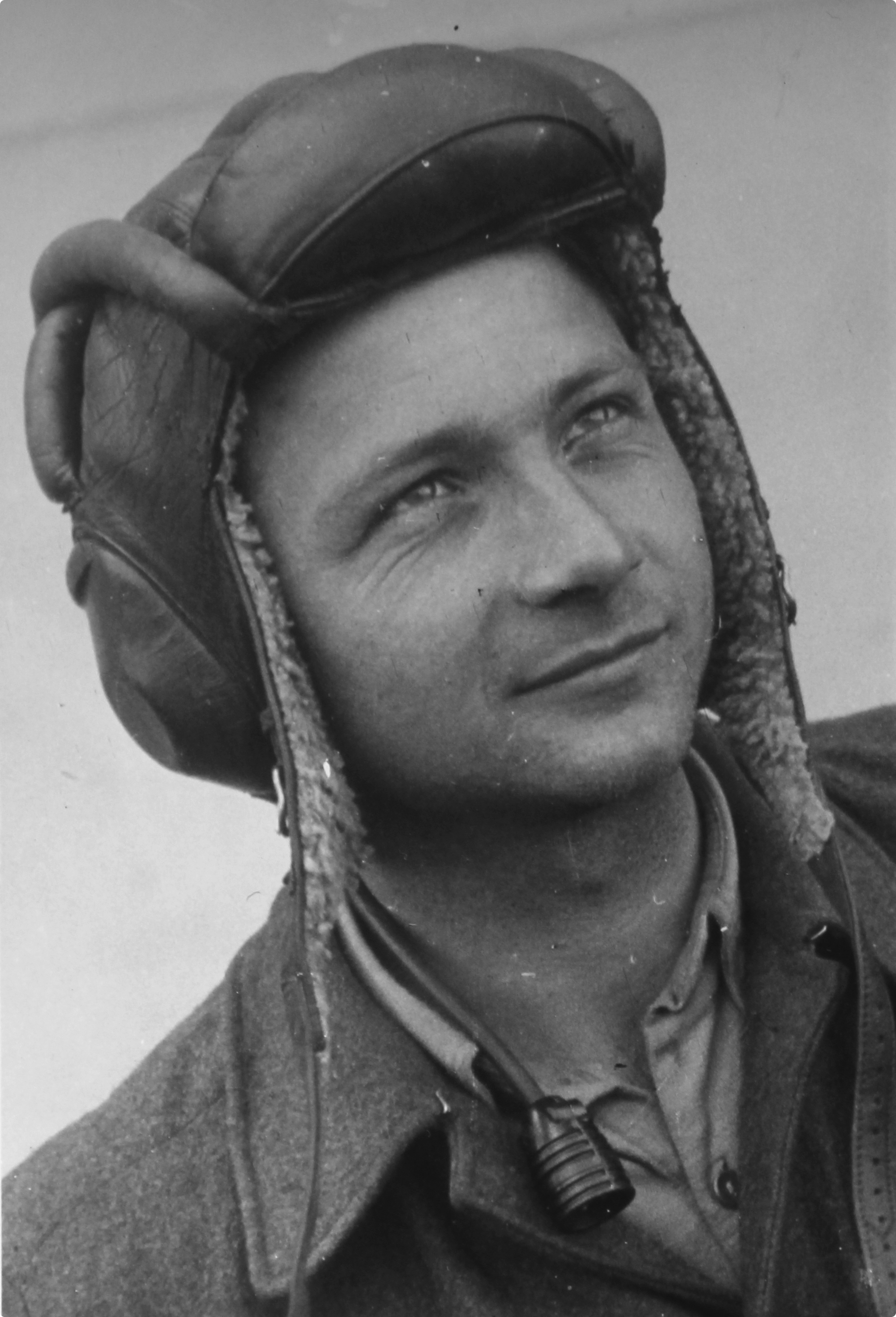
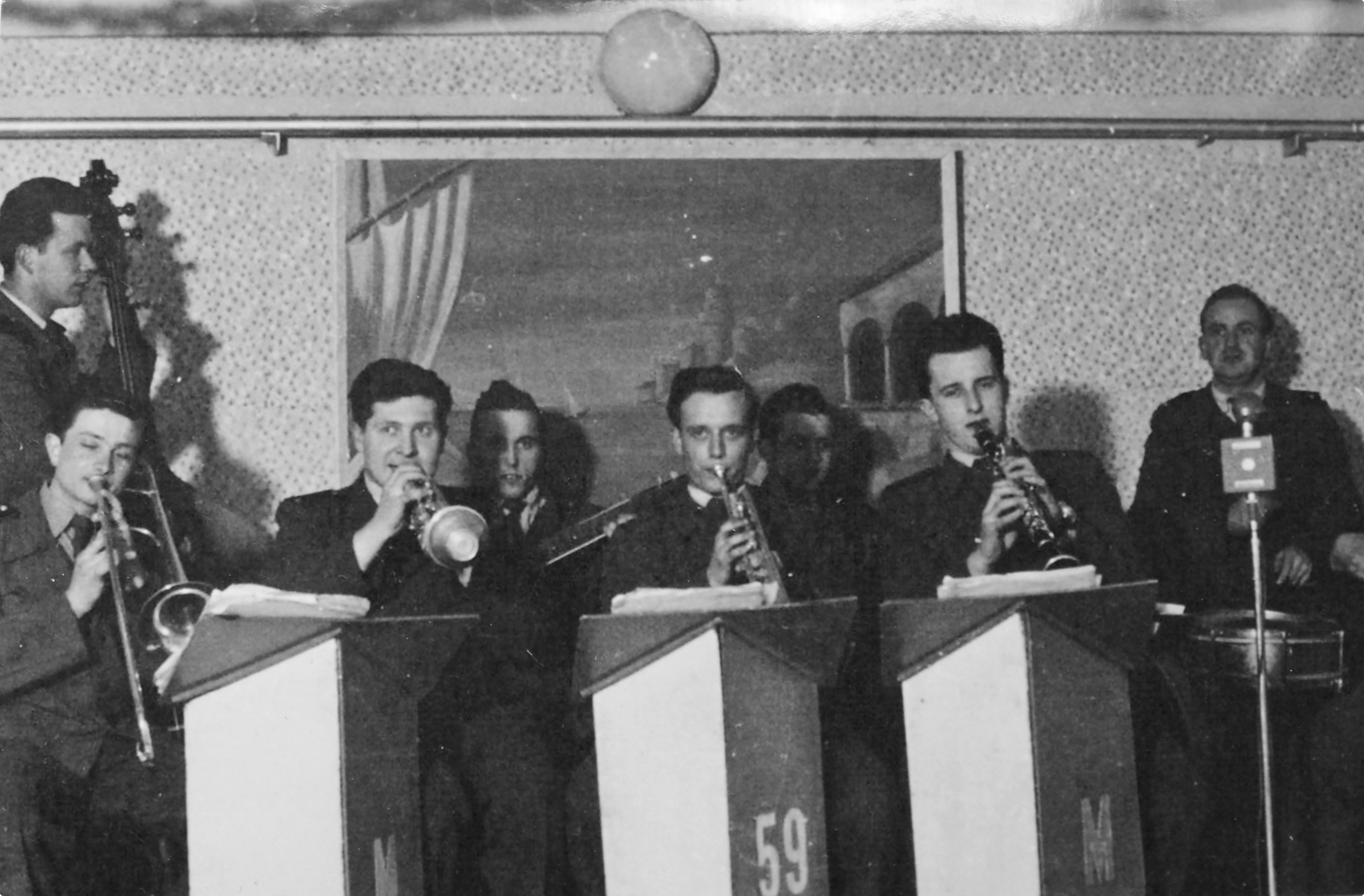
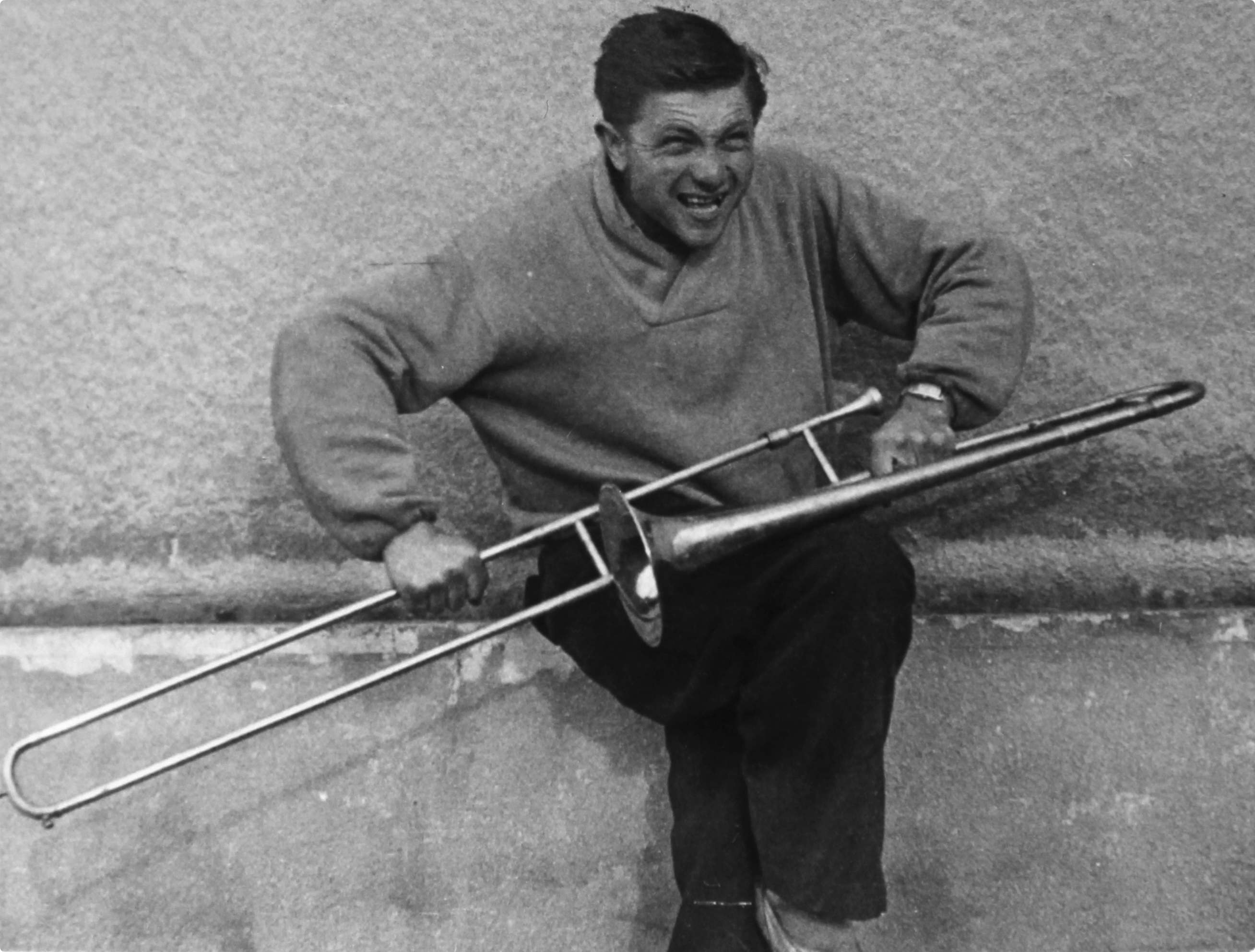
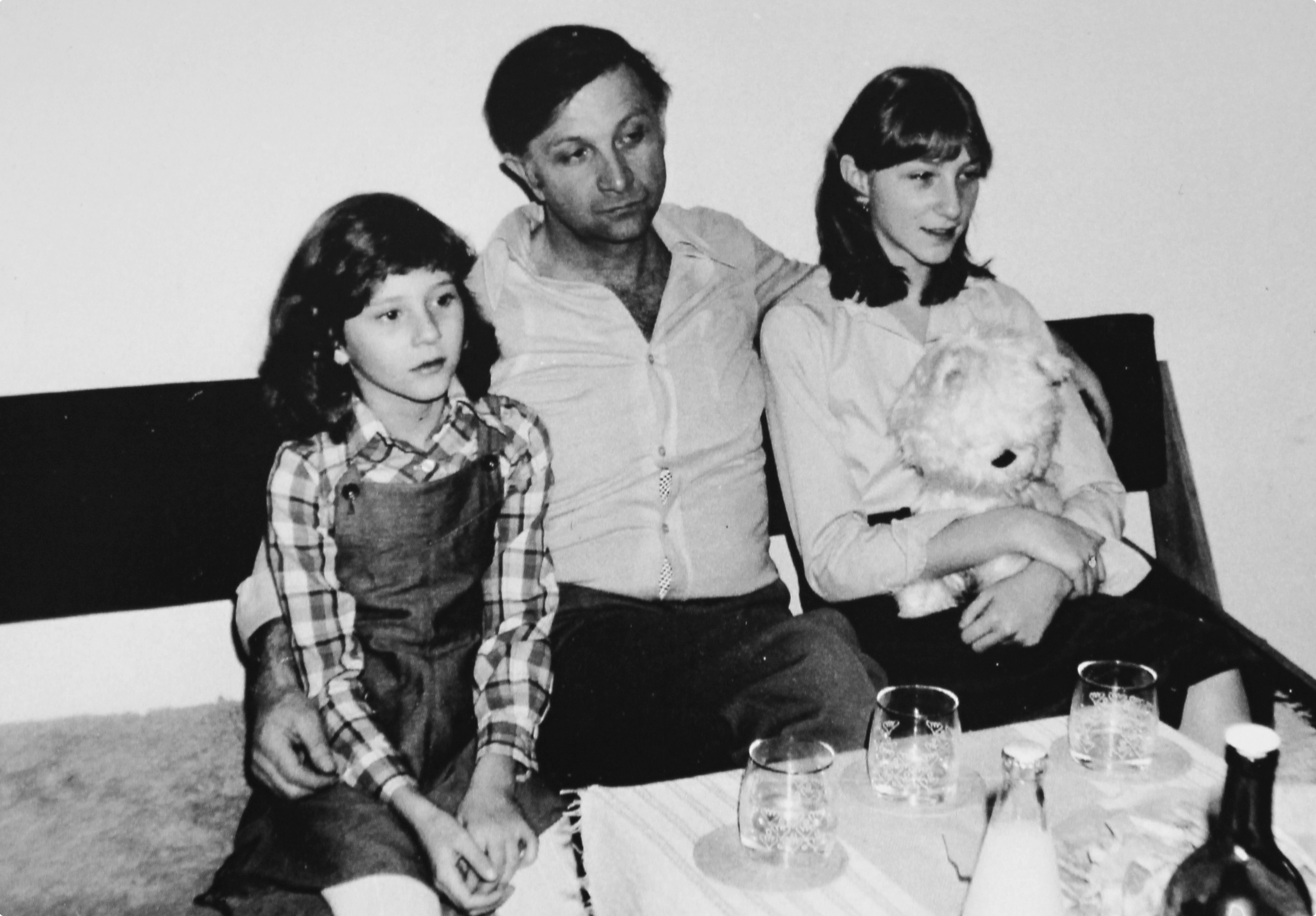
Zdeněk Chalupa was born on 29 March 1936 in Zbraslav nad Vltavou. At the age of nine he lived through the dramatic end of the World War II. Three Germans with machine guns took up residence in the Chalupa‘s garden for a few days and the family and their two children took refuge in the cellar. Zdeněk Chalupa learned to play the violin throughout his childhood, but due to his enrolment in the „labour reserves“ apprenticeship in 1952 he was unable to study at the conservatory. He had to take an apprenticeship at the Somet company in Teplice. After returning to his parents in Zbraslav, he attended the secondary technical school, graduated in 1957 and after completing his basic military service and distance learning he studied at the Czech Technical University (ČVUT) in Prague, graduating in 1967. In the 1950s, his parents were perceived as people with a bad cadre profile, especially because of his father‘s former position in the local organisation of the Czechoslovak National Socialist Party in Zbraslav. This was reflected, among other things, by my father‘s departure to work in the opencast mines in northern Bohemia as part of the 77,000 civil servants to industrial production action. Zdeněk Chalupa has been a scout since childhood, and continues to support scouting today (2025). In the early 1960s, at the request of his brother, he helped three young people to leave socialist Czechoslovakia in secret, but for many years he did not confide this to anyone, not even to his wife Eva Boušková, whom he married in 1965, or later to his daughters Pavla and Dana Chalupová.