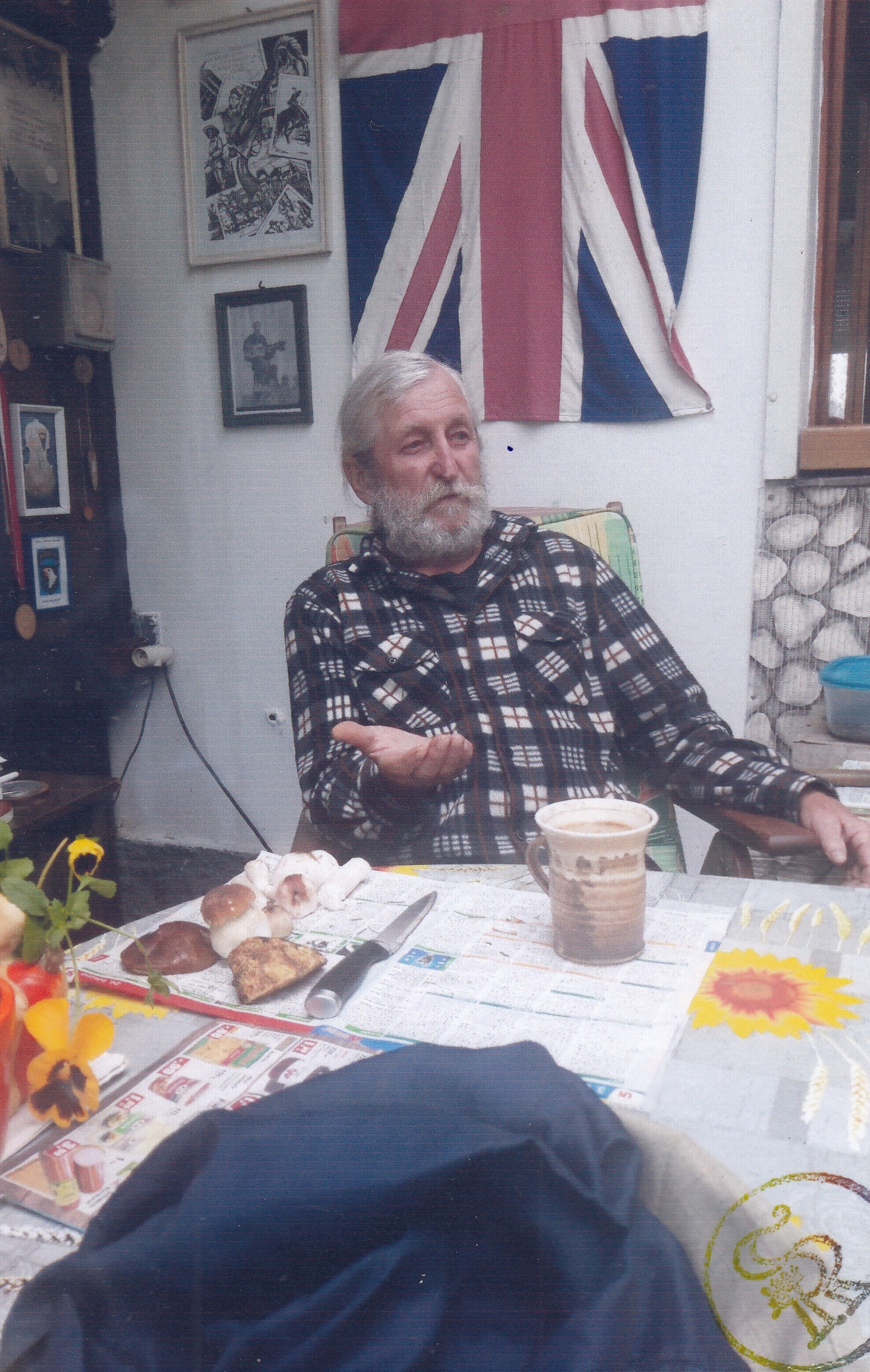
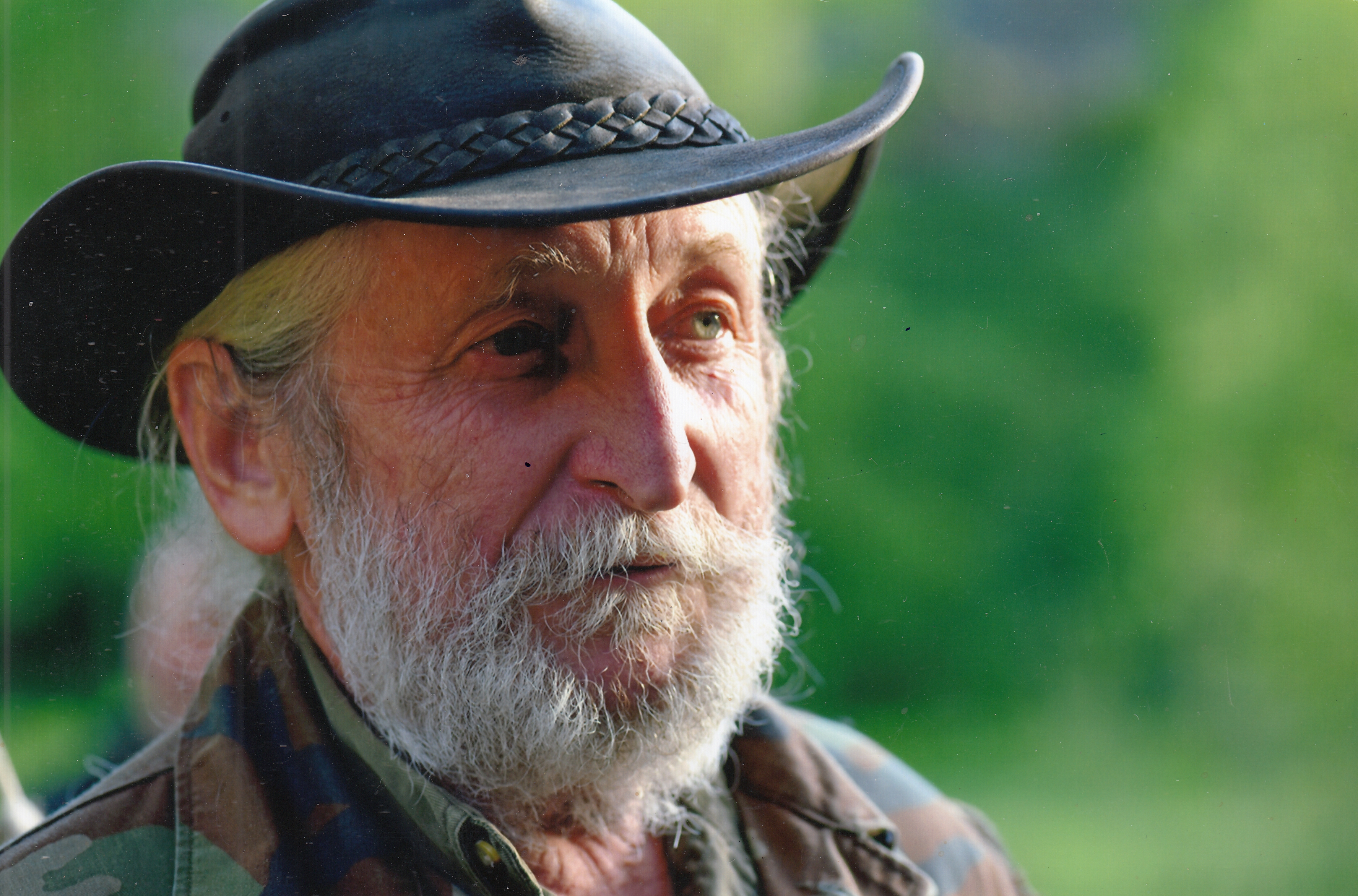
Svatopluk Cagašík

* 1947

  • "Do you know what they say? They say that every violin maker makes a guitar with ease, but it's not true. To make a good guitar, you have to make it play well, and there's such a huge range in those woods today. Back then they used to make maple, spruce. Spruce top, soundboard, and maple bottom and sides, maple neck. And nowadays it's mahogany, it's rosewood, it's gabon, it's some kind of saple, I asked my friend in Cheb at a singing class what kind of top board it was and he said, 'Some kind of saple'. It's made by the Japanese, it's some kind of veneer, I don't know what kind of wood it is, it looks a bit like mahogany or something. But they also make pear, walnut, they make it out of all sorts of things, and they can put pickups in it and such machinery that the guitar just plays."

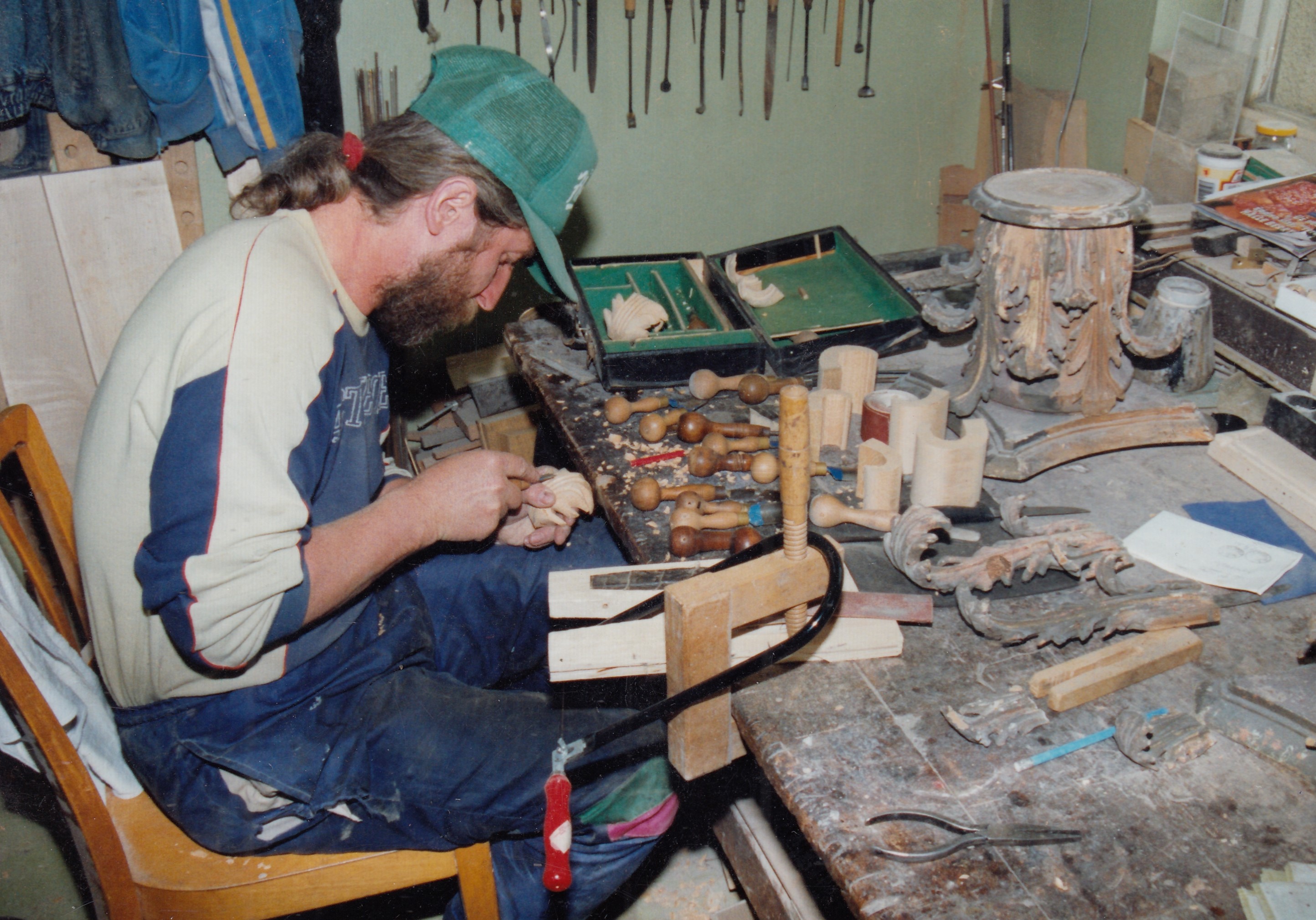
  • "I made my first violin at the end of '66, before I went to the military service. I had a workshop at home, and at the end of the year, for the apprenticeship, we had to build an instrument. Of course it was within our means, it was playable, but it was nothing miraculous. Then when I did that master school, we built an instrument every year, and at the end of the third year we built an instrument and went into the master instrument rehearsals. The local master fiddlers had, everybody had an instrument, some had two, some had three, and we put one instrument each in there as well. There was a jury that scored the instruments, and when we got to a certain score, that instrument was classified as a master. Of course we each wanted to keep it, but we would have had to pay for it. And at that time some two and a half, three thousand [crowns], that was three monthly salaries. We couldn't afford that. So my instrument immediately traveled somewhere outside. I don't even know where, I never found it or encountered it again."

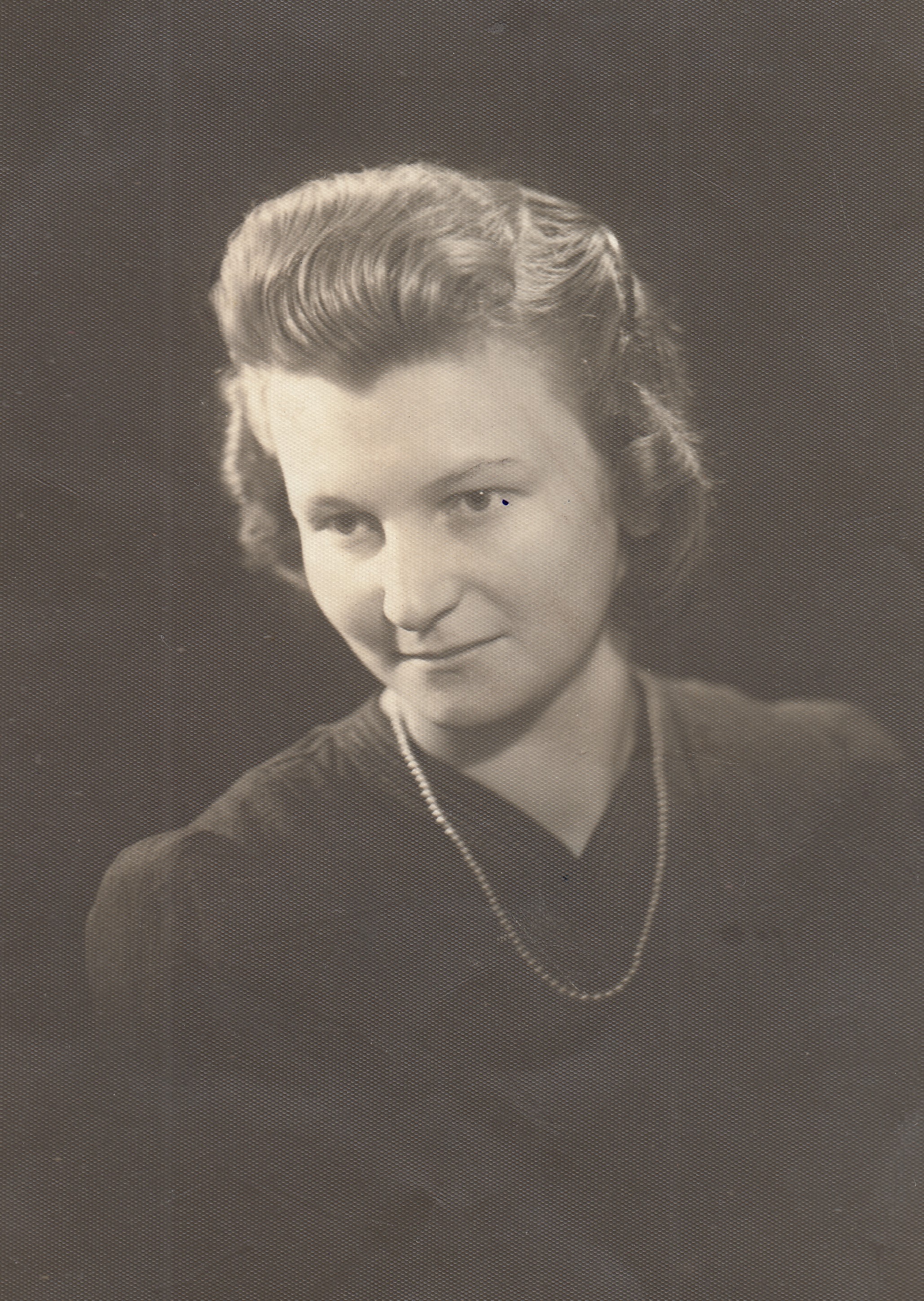
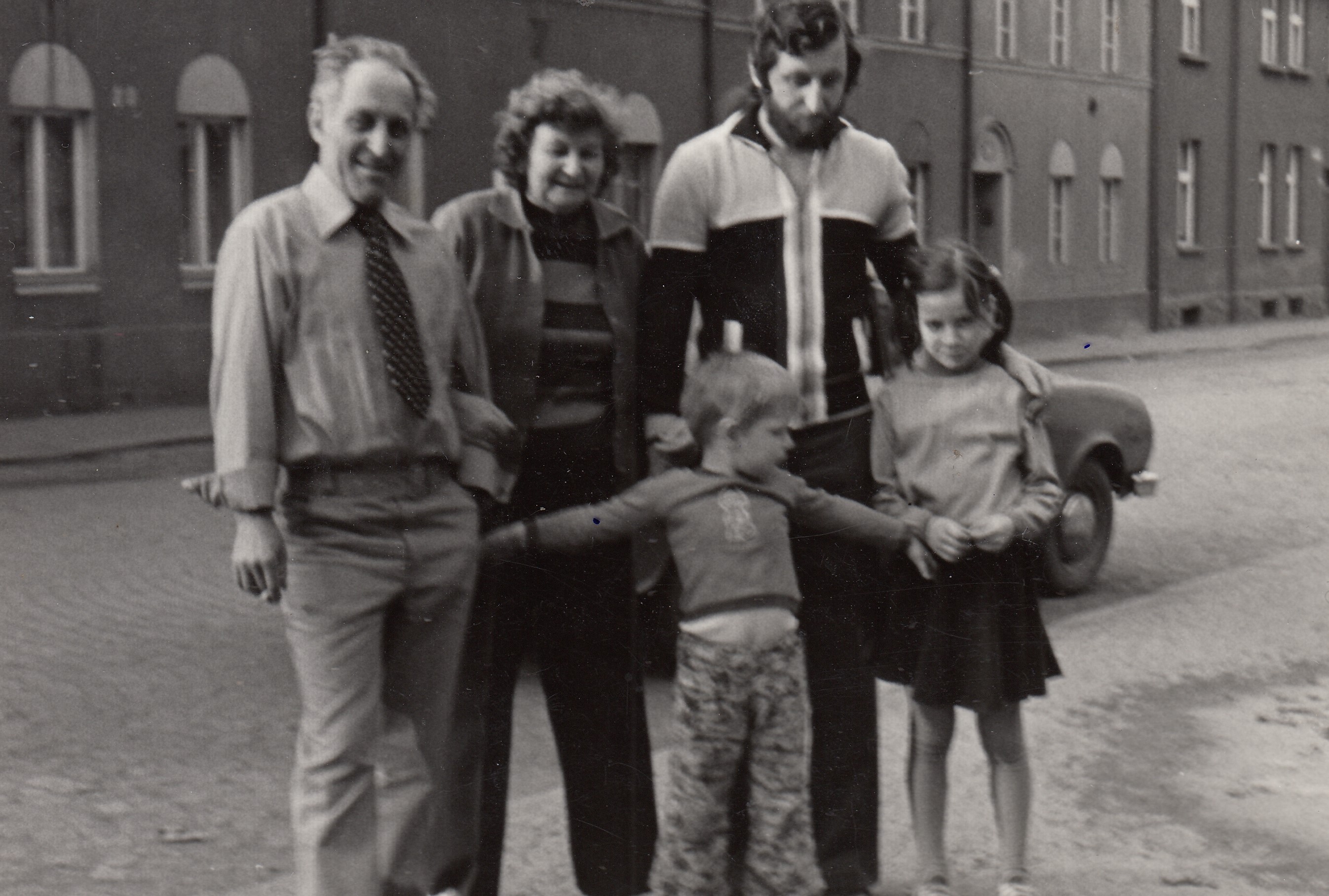
  • "He didn't like to talk about that [imprisonment in Buchenwald 1939-1945], he had a little bit of an advantage in that he already had a driver's license at that time and he was driving, so he was allegedly driving goods and transporting materials and things like that between the labor camps, and that's what happened then, that his friends had arranged with him that they would run away, and he didn't turn up because he was out driving somewhere, so they got caught and they were all executed and my dad happened to survive. That's why I'm here."

  • Celé nahrávky
  • 1

    Luby, 29.04.2025

    (audio)
    délka: 01:53:01
Celé nahrávky jsou k dispozici pouze pro přihlášené uživatele.

I don‘t have high hopes for Cremona
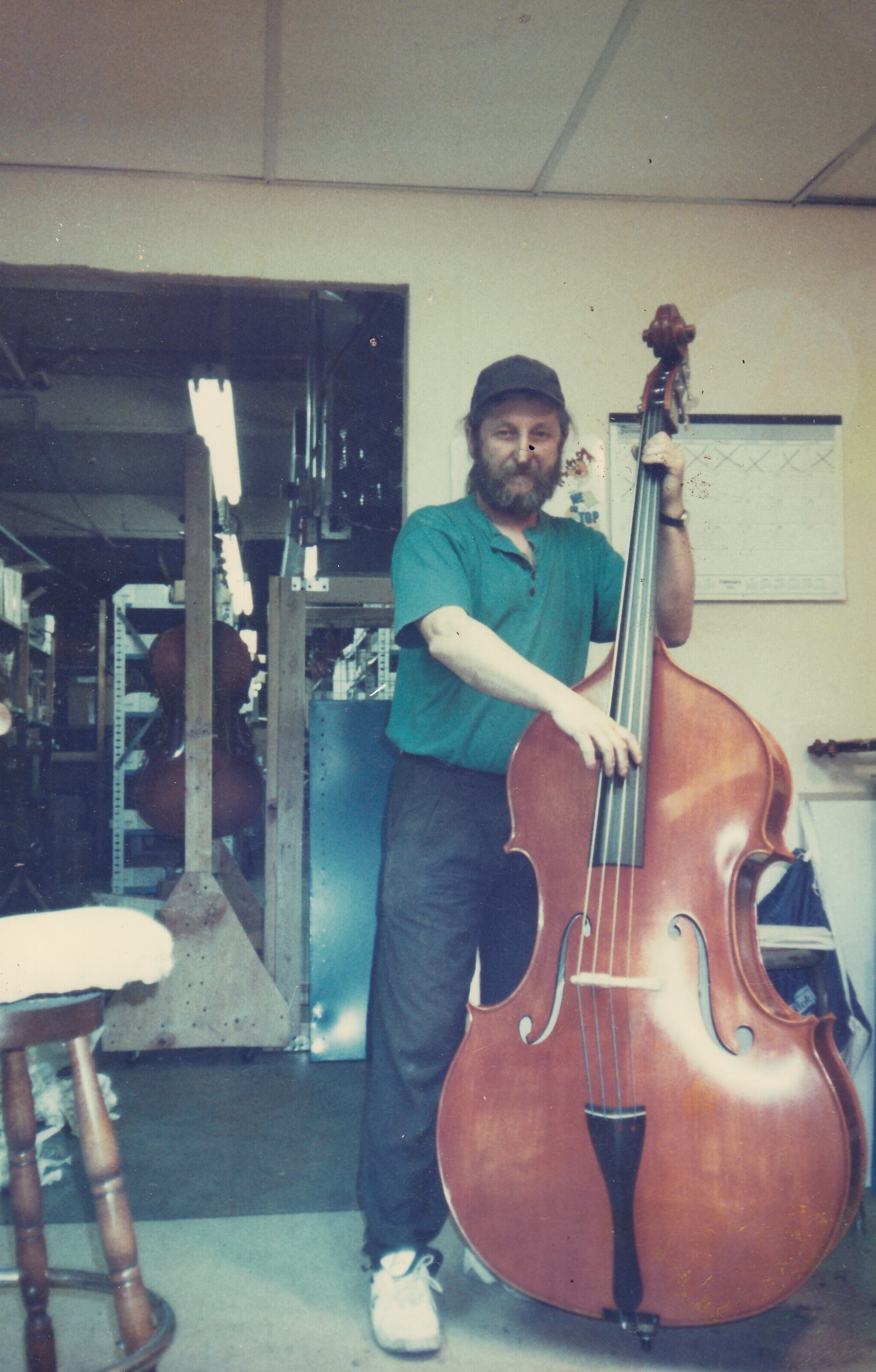
Boston, USA, six-month stay, double bass tuning
zdroj: Witness archive

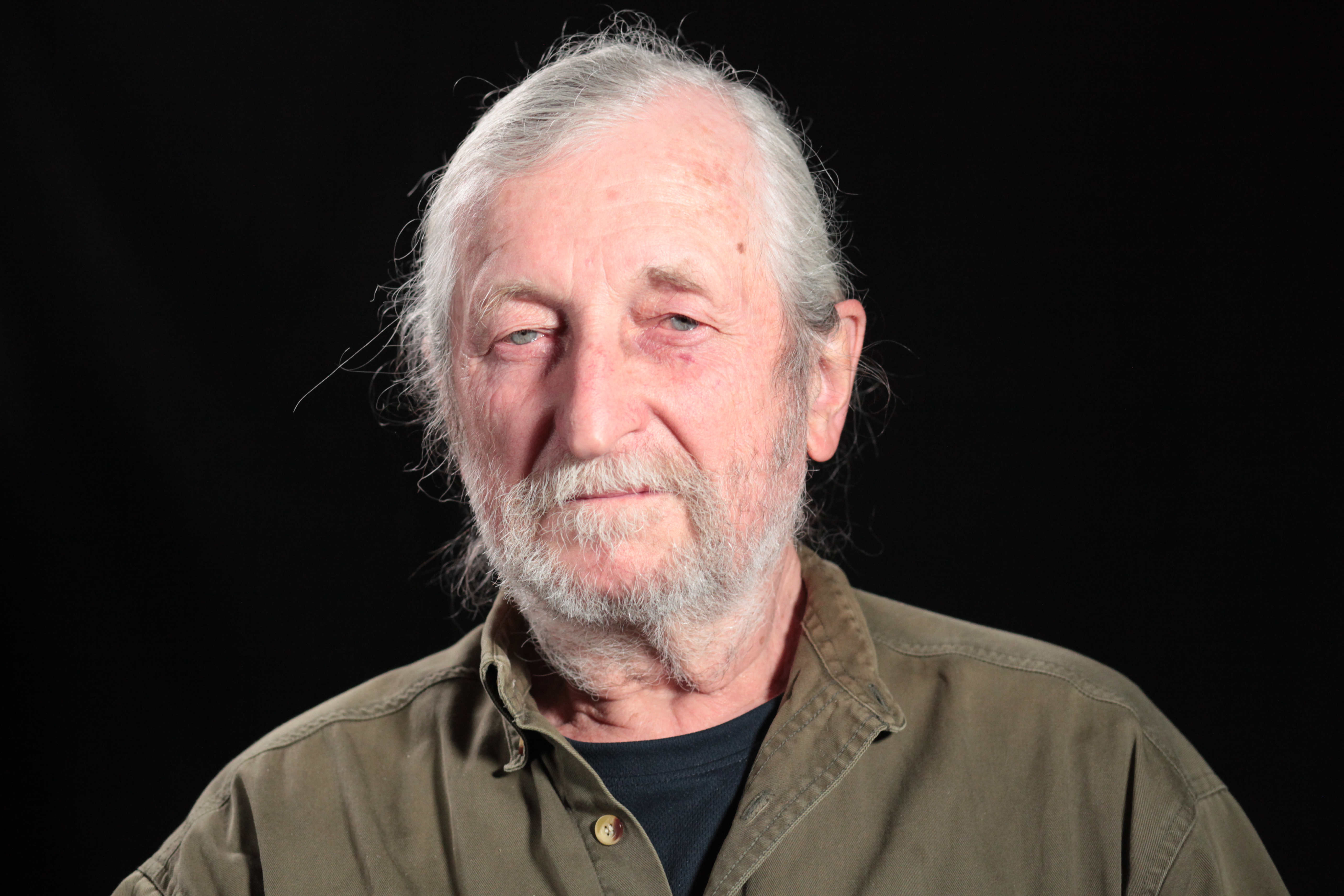
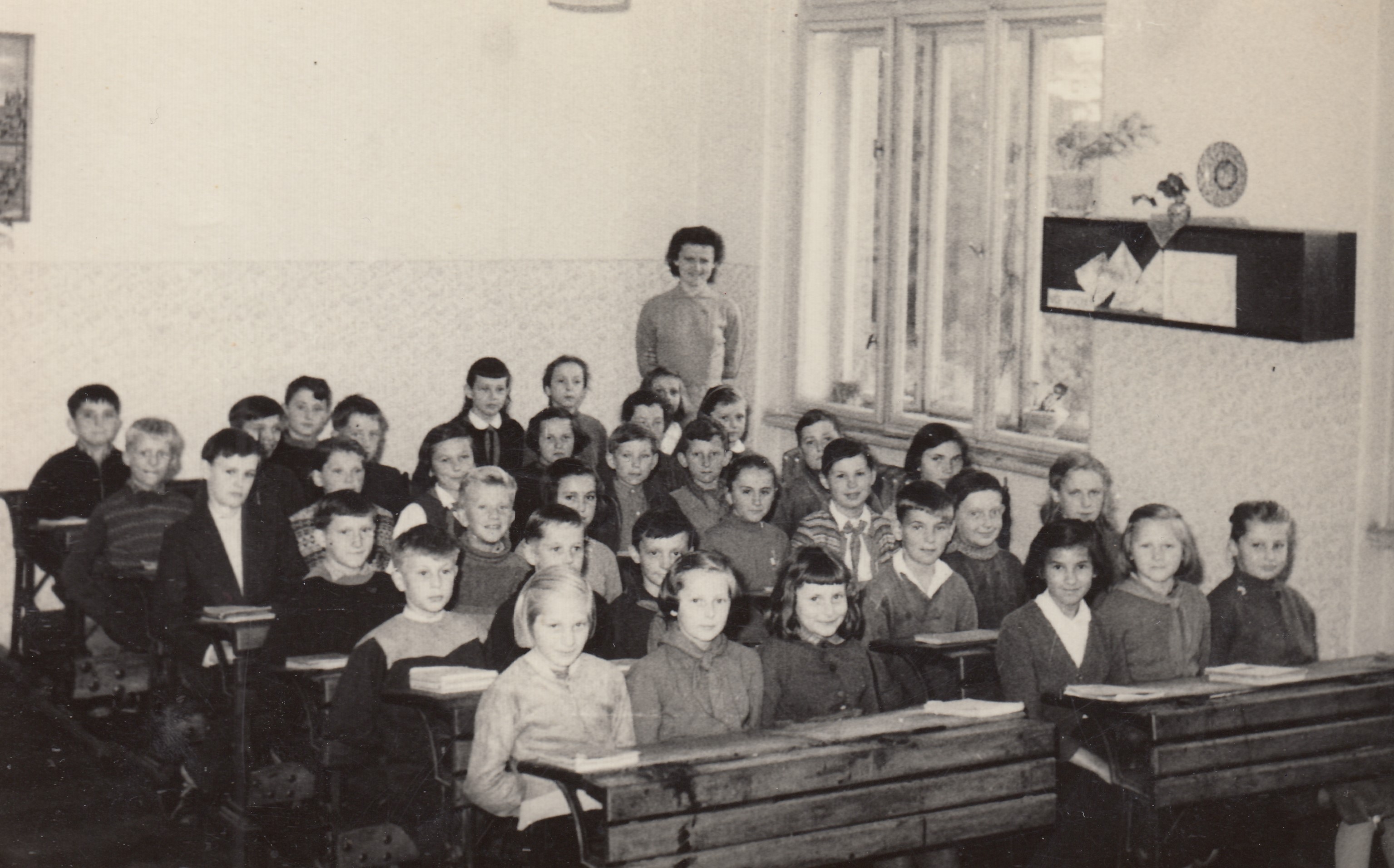
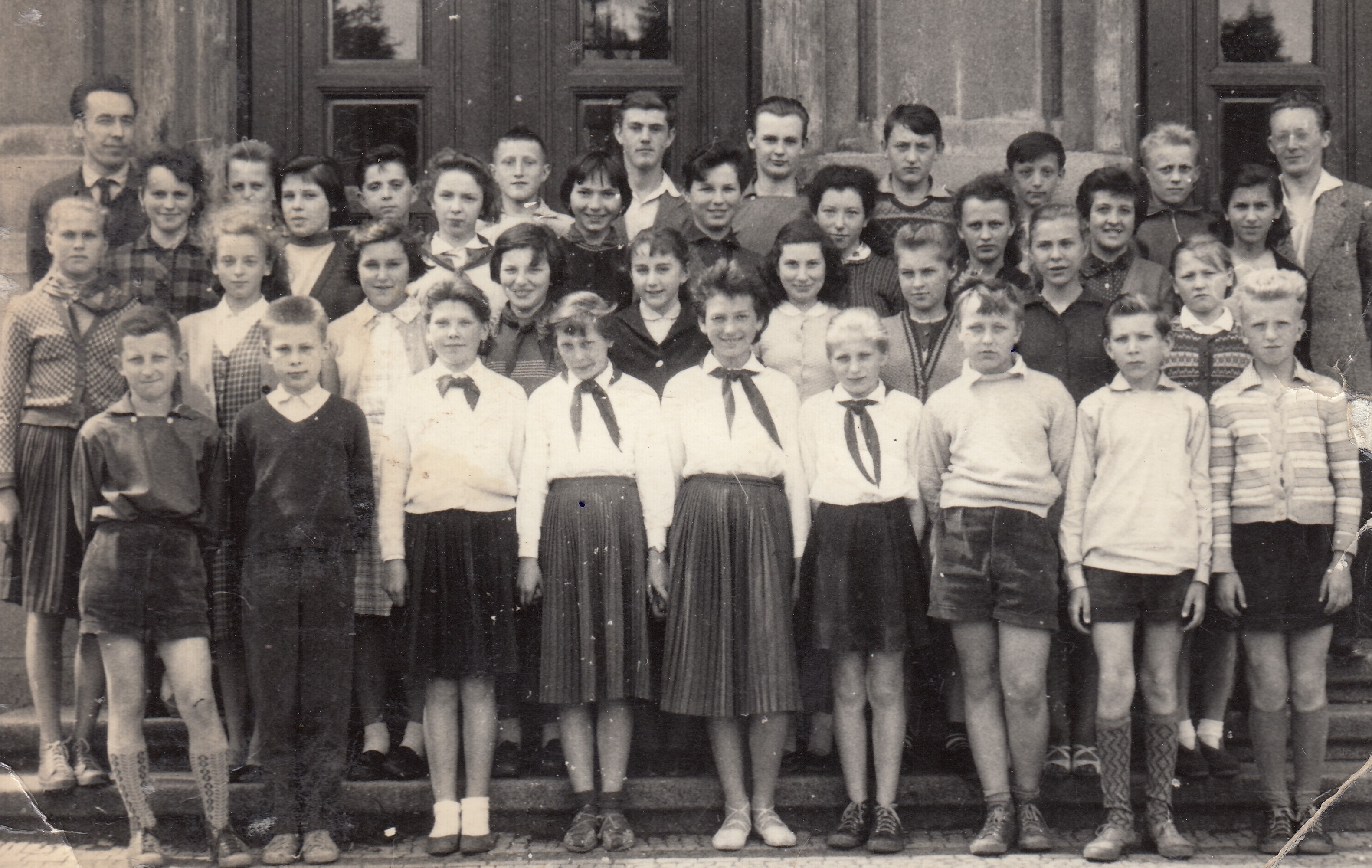
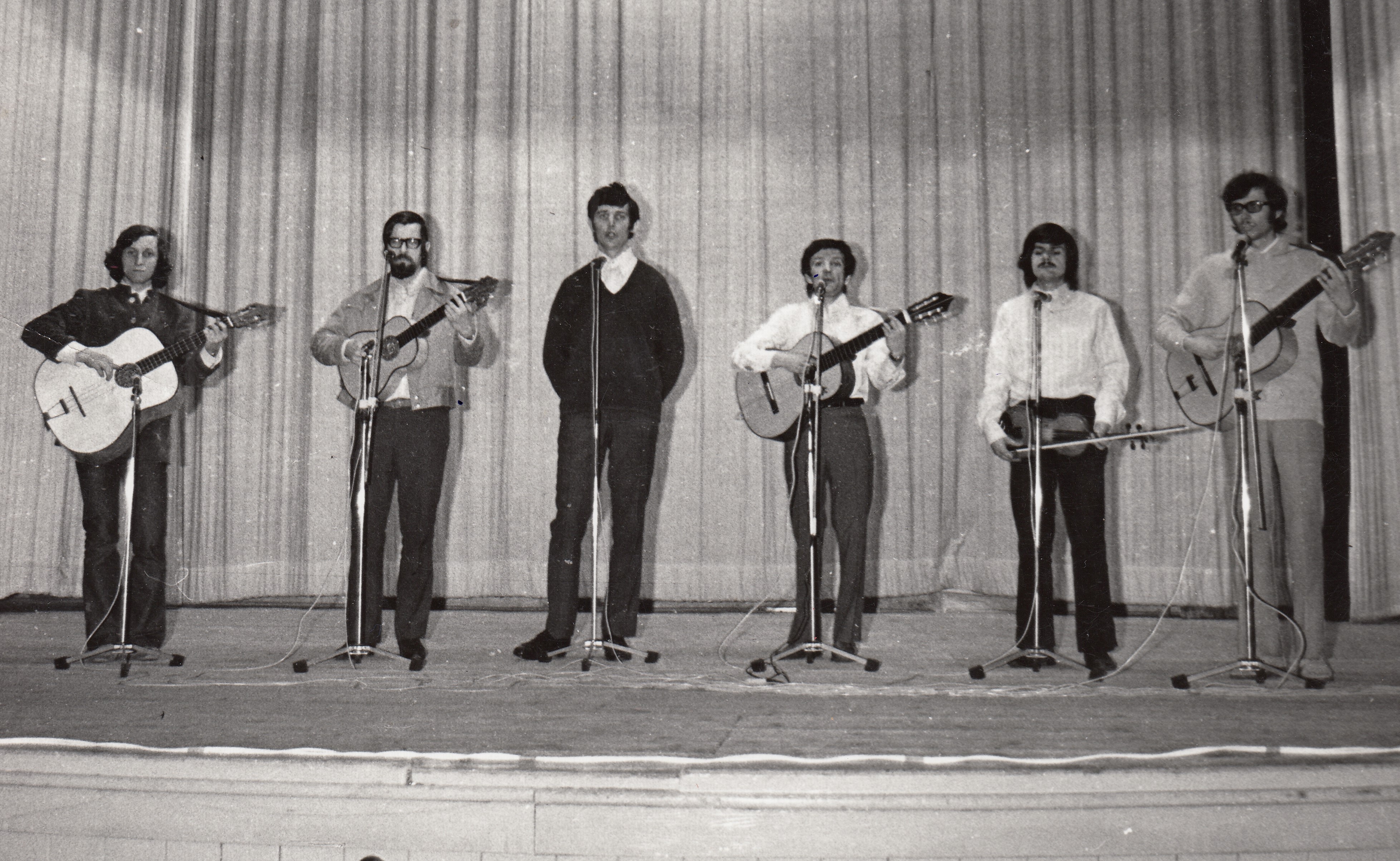
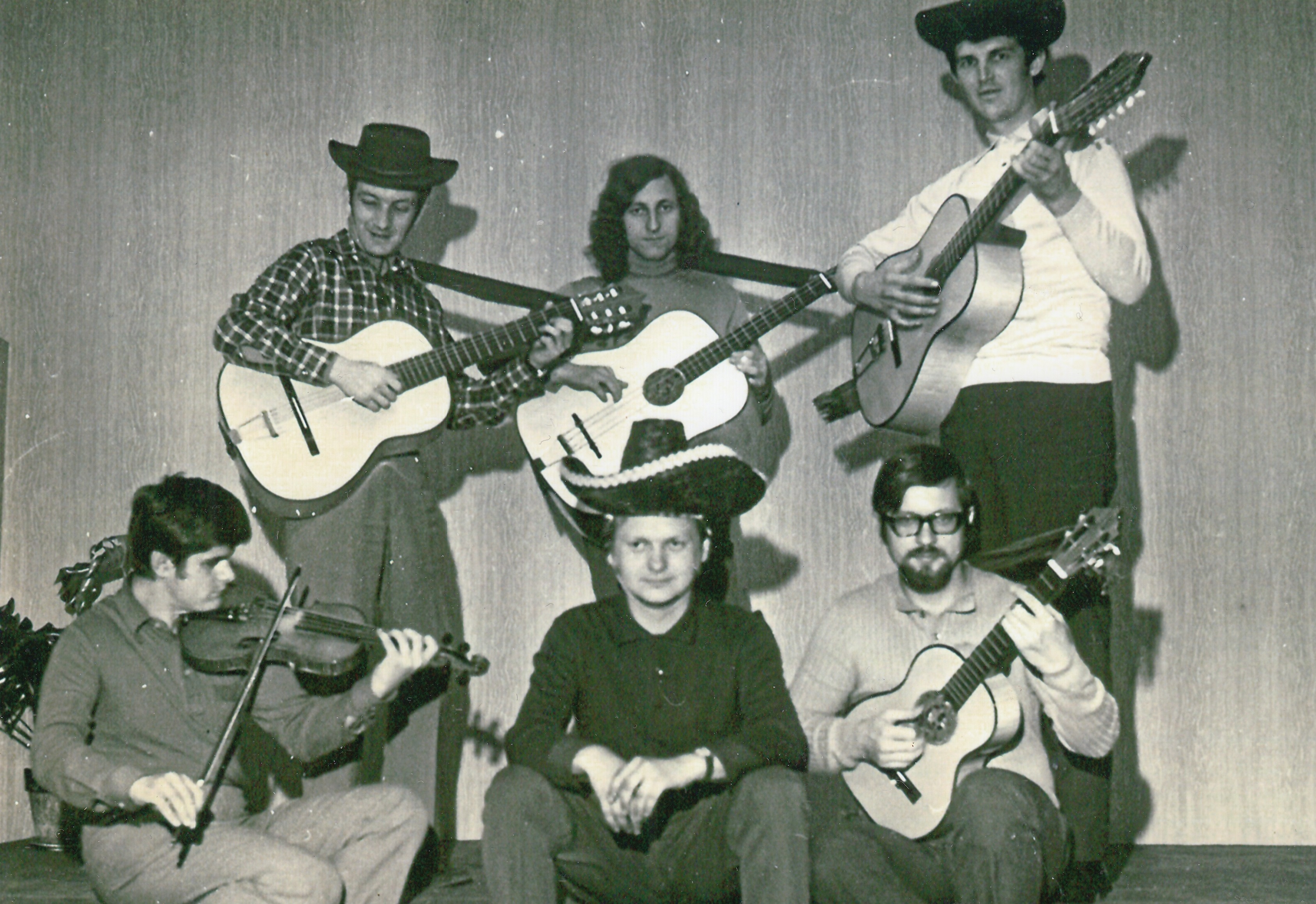
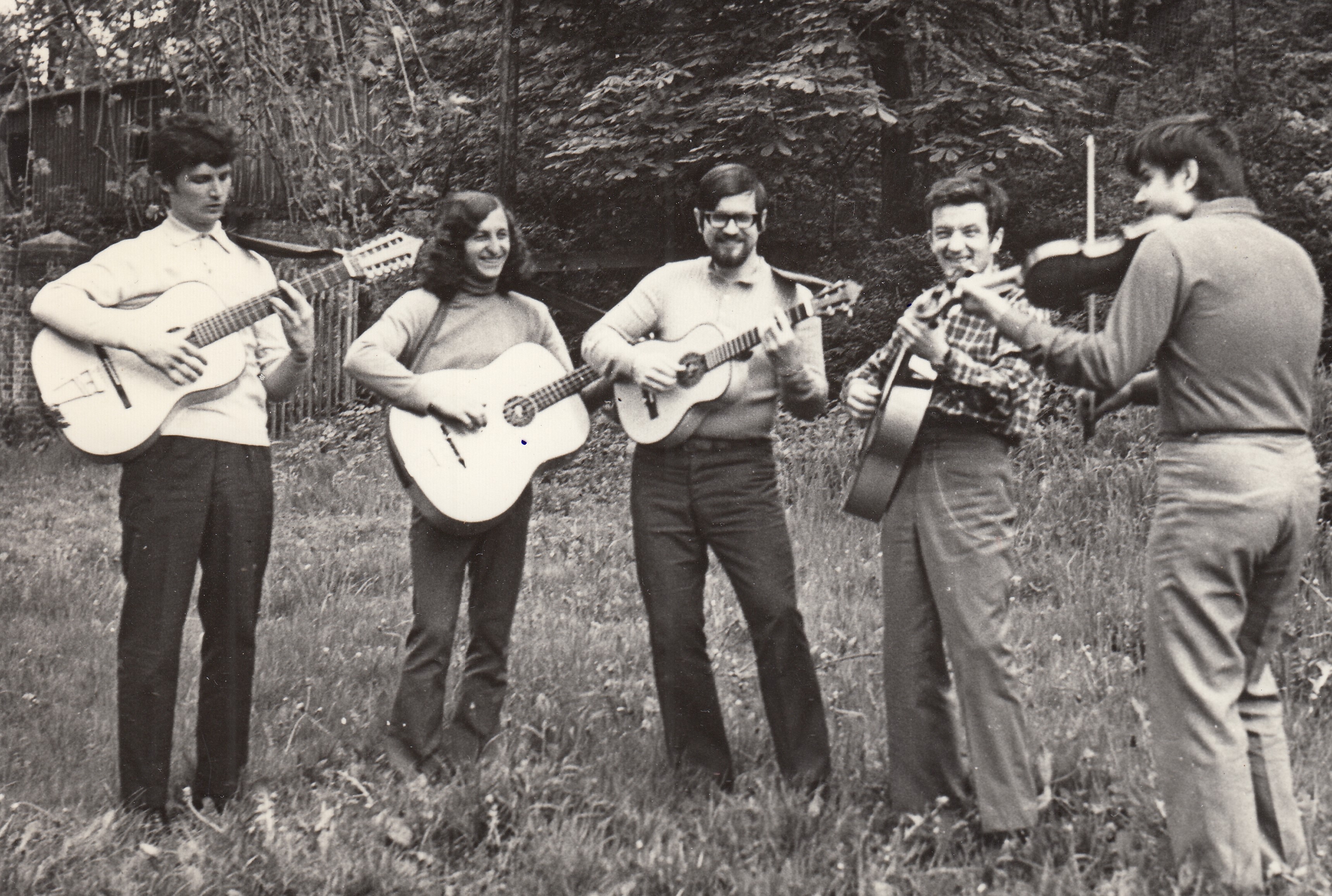
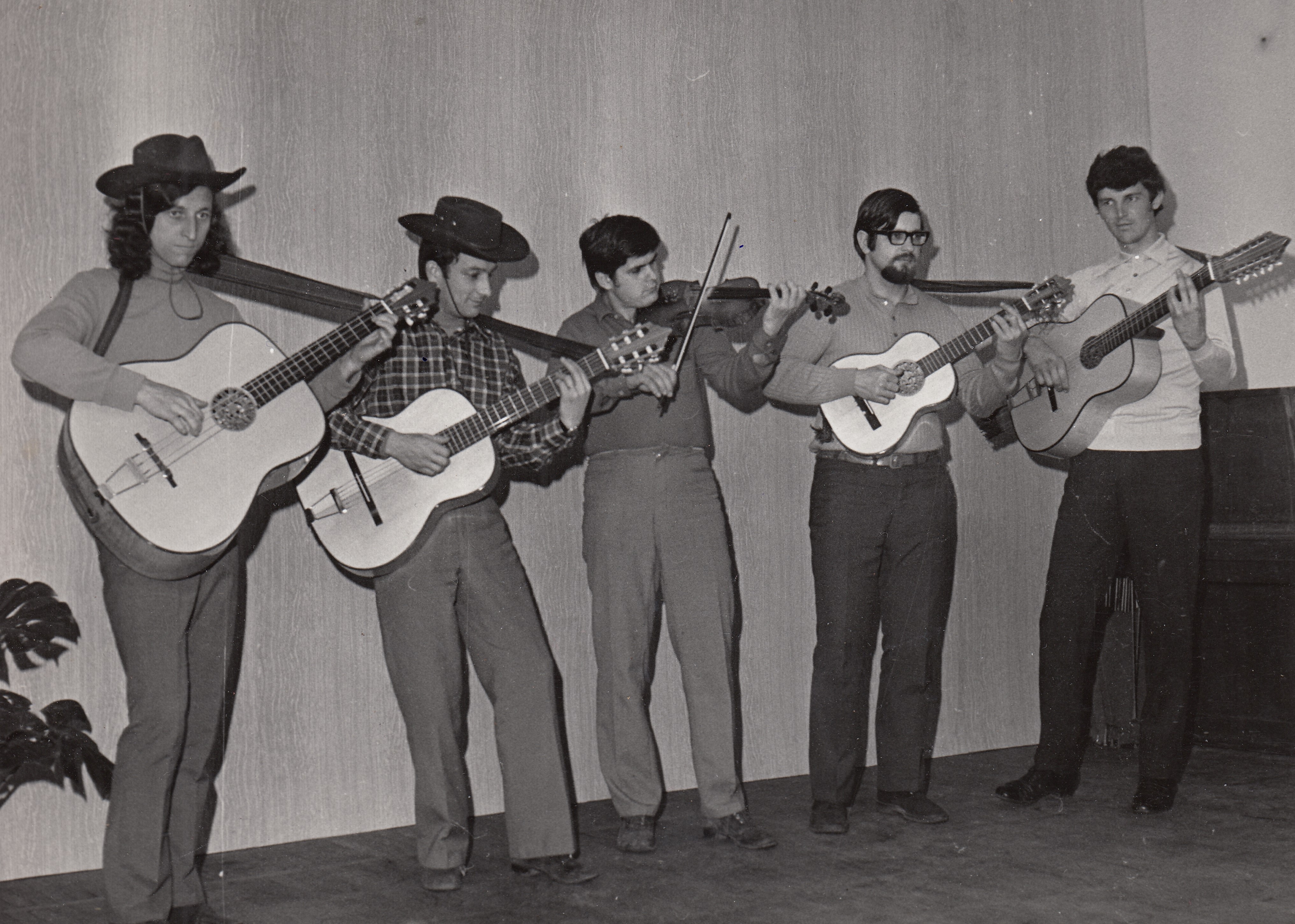
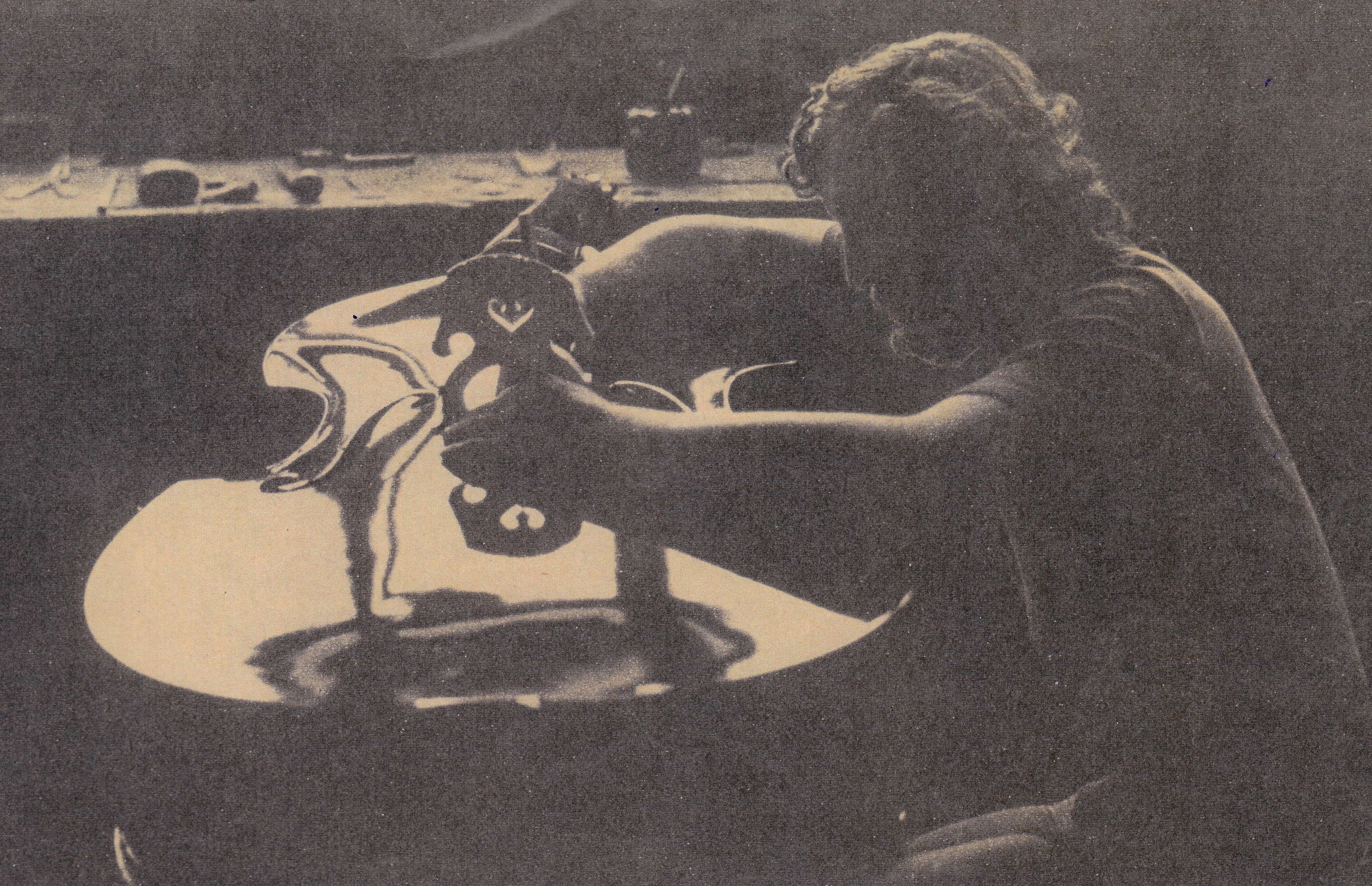
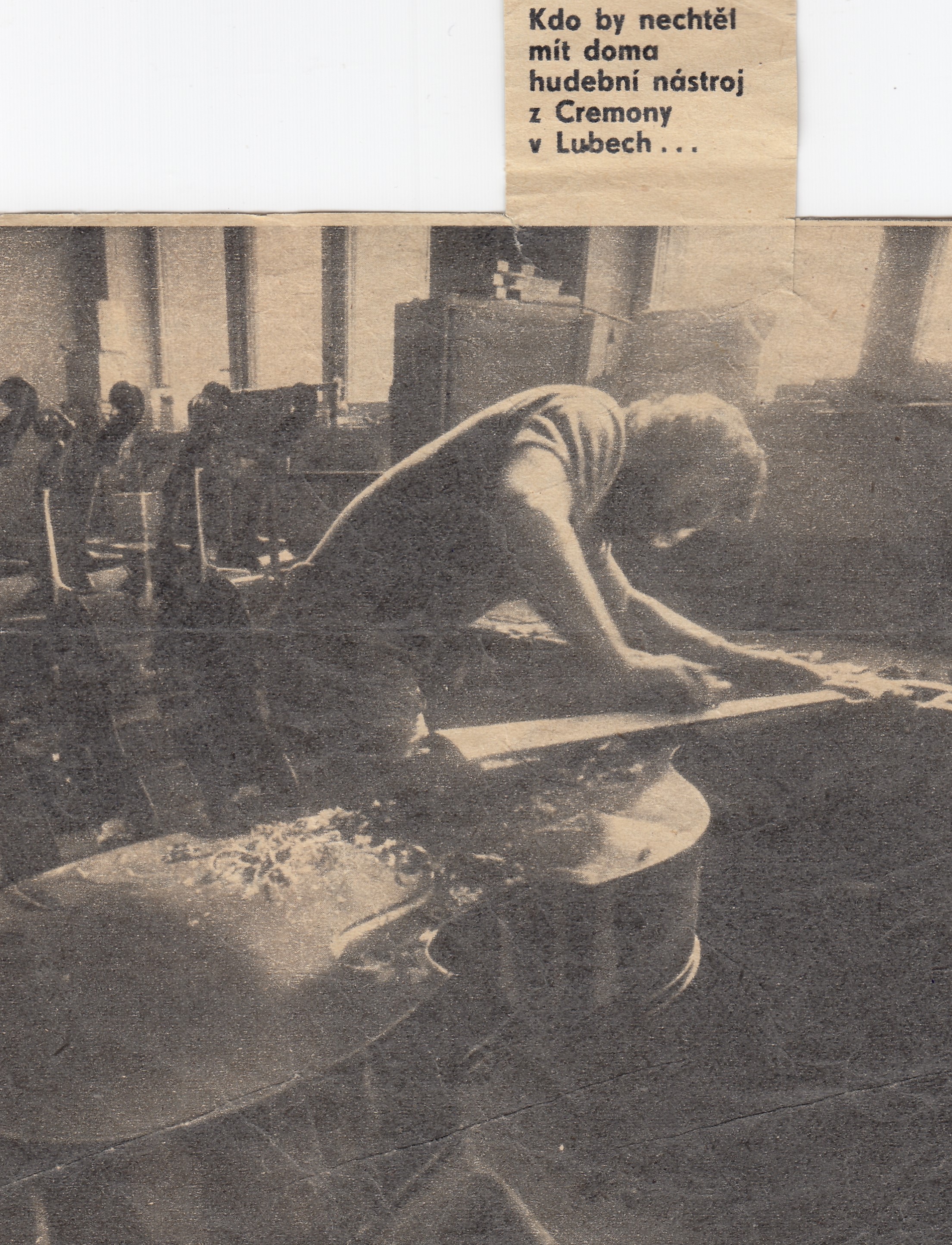
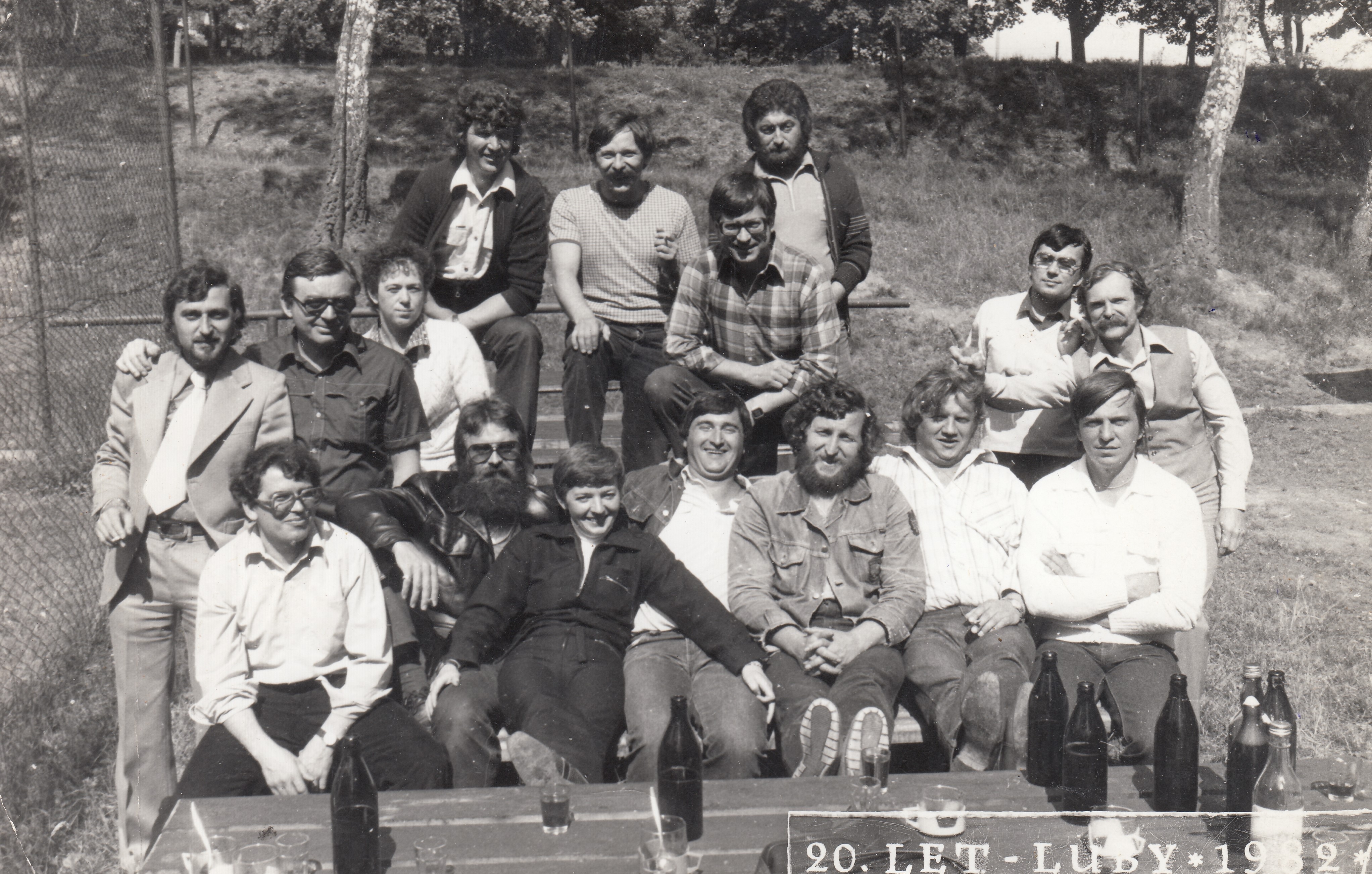
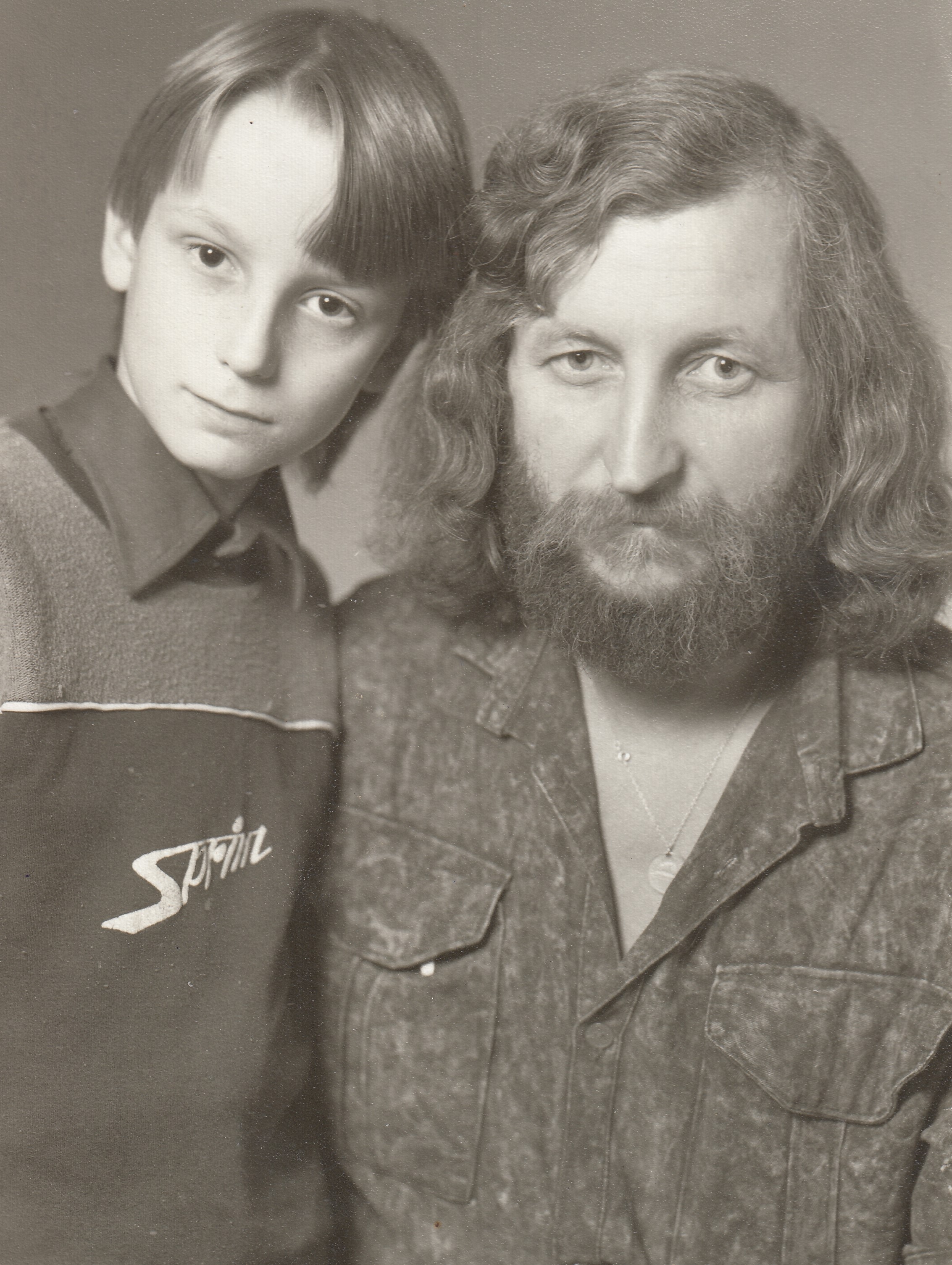
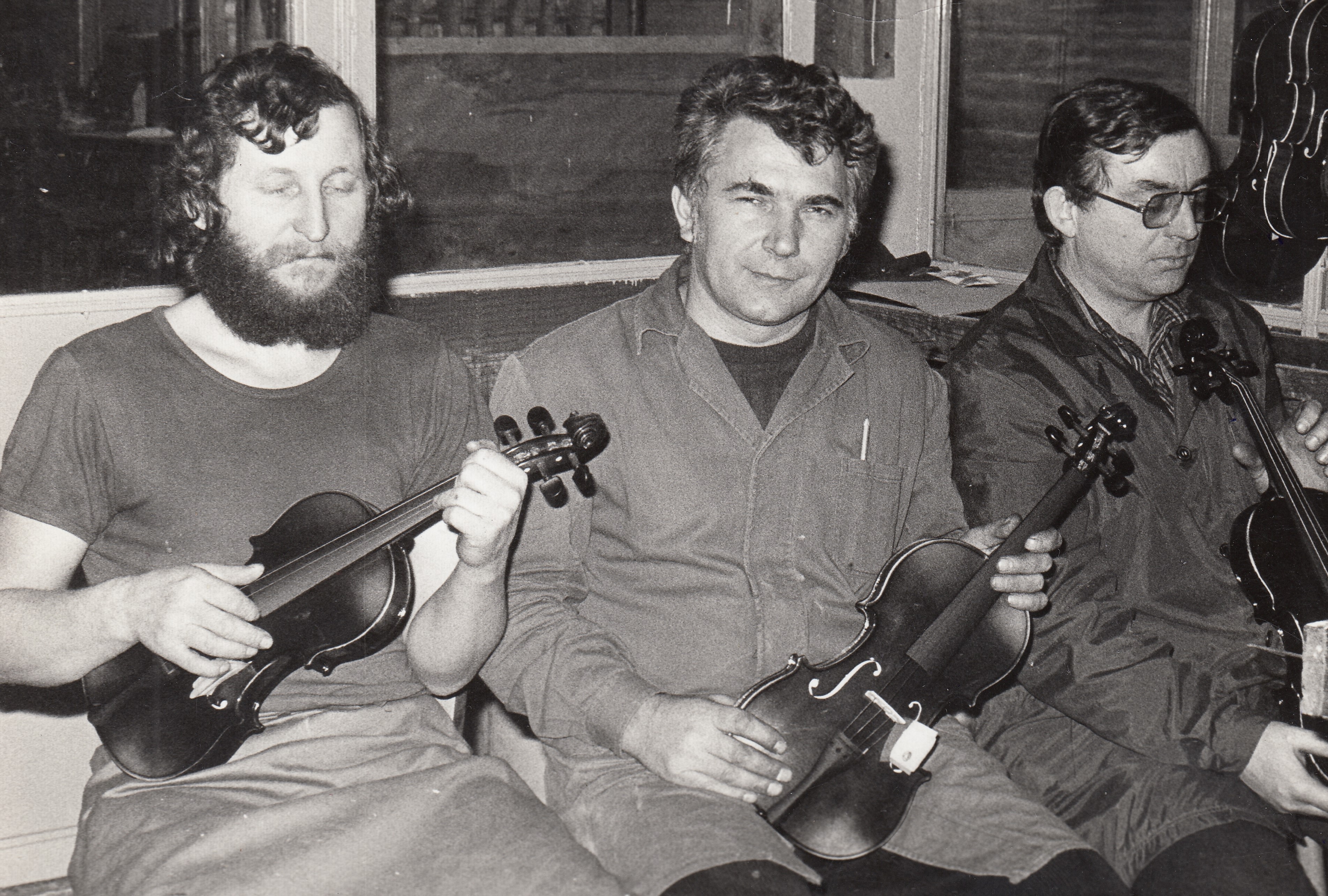
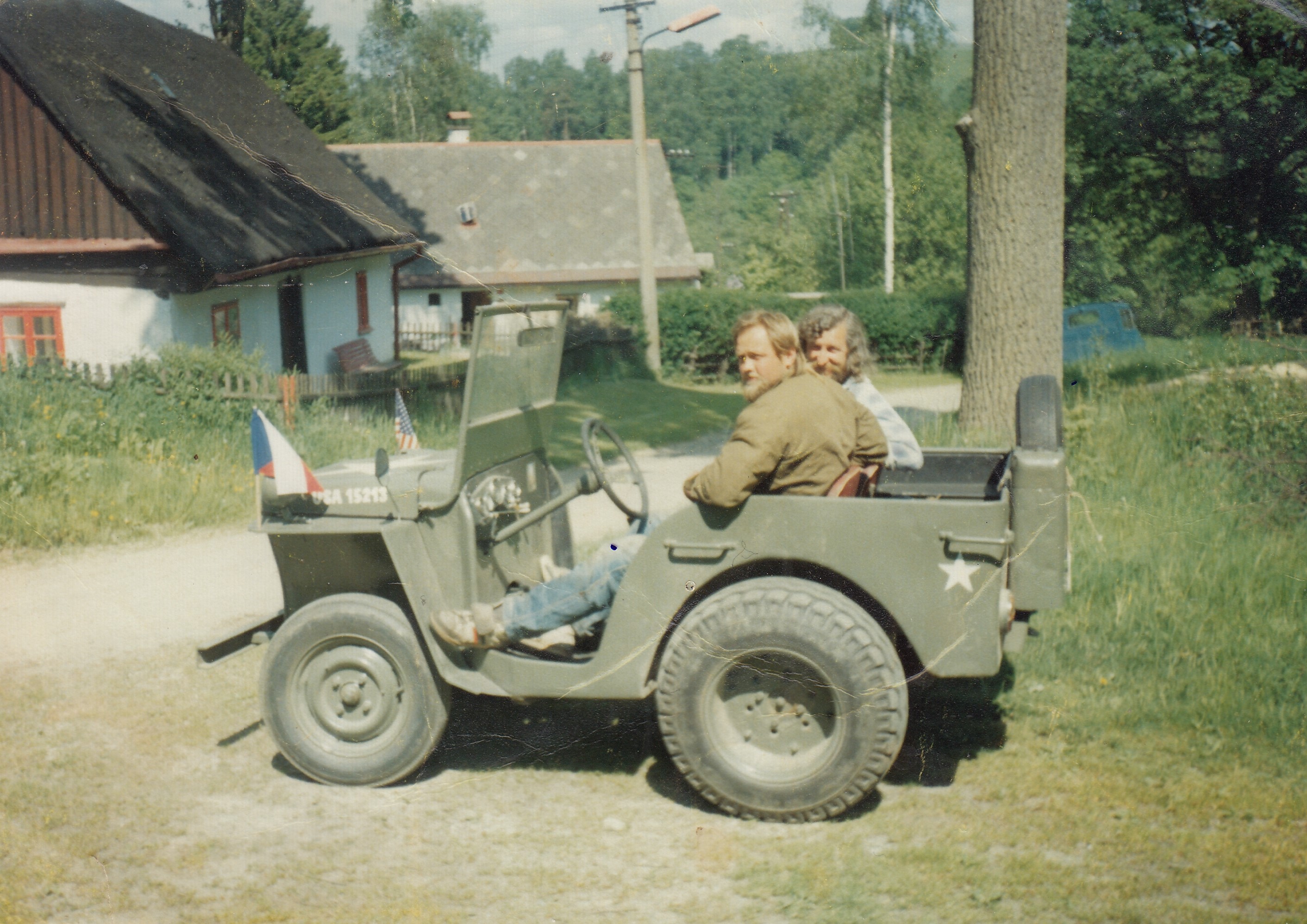
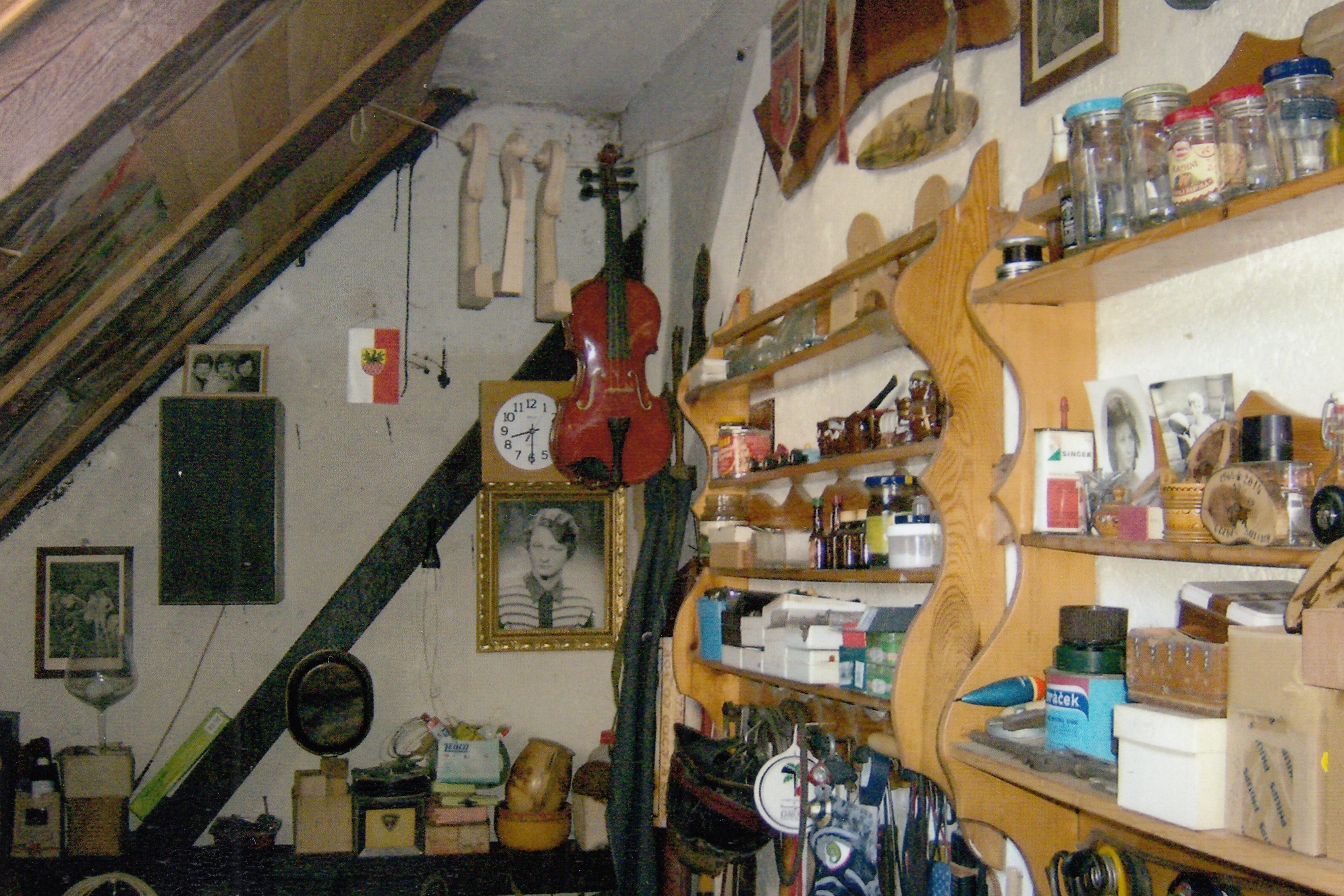
Svatopluk Cagašík was born on 15 February 1947 in Šternberk, Moravia. When he was one year old, his family was forcibly evicted to Kopany near Aš. The local communists retaliated for his father‘s refusal to join the Communist Party after the Victory in February. After elementary school, he had no chance to graduate with such a cadre profile. He decided to go to the violin-making apprenticeship in Luby, as he enjoyed working with wood. He did a master school, got a certificate for making master instruments. He was taught by master violin makers Lupač, Vávra, Pikart and many other great professionals. He worked at Cremona Luby, later Strunal, on and off until his retirement in 2006. In high school, he discovered tramping and fell under its spell. He played in the tramp music group Bizoni, they were successful, they released a CD. He went to America and Canada several times, as a tourist, with his wife and for work. He never made his own master instruments. For a long time he was varnishing violins, and at the time of filming, he was doing occasional repairs. In 2025, Svatopluk Cagašík lived in Luby.