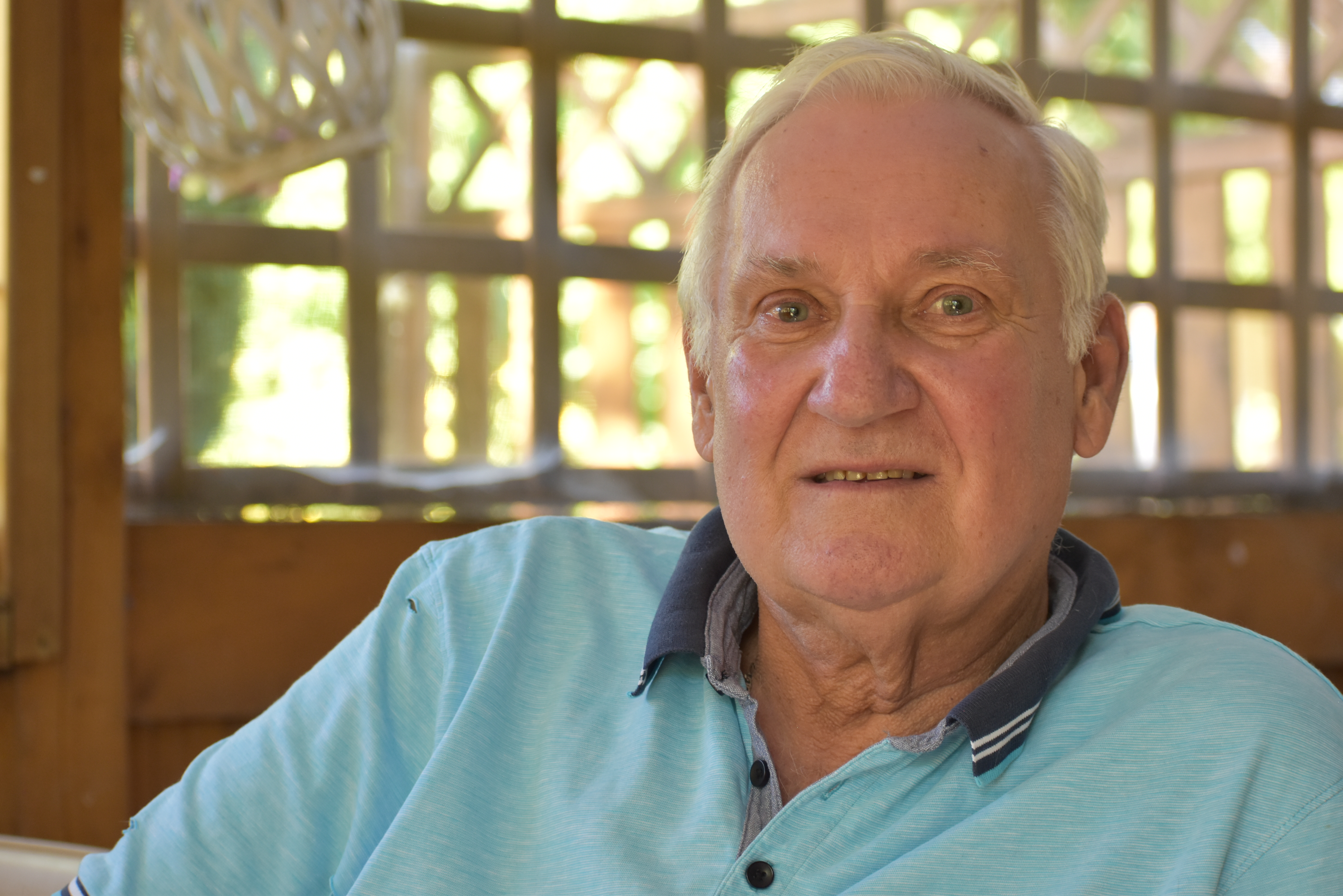
Jiří Bušek

* 1949

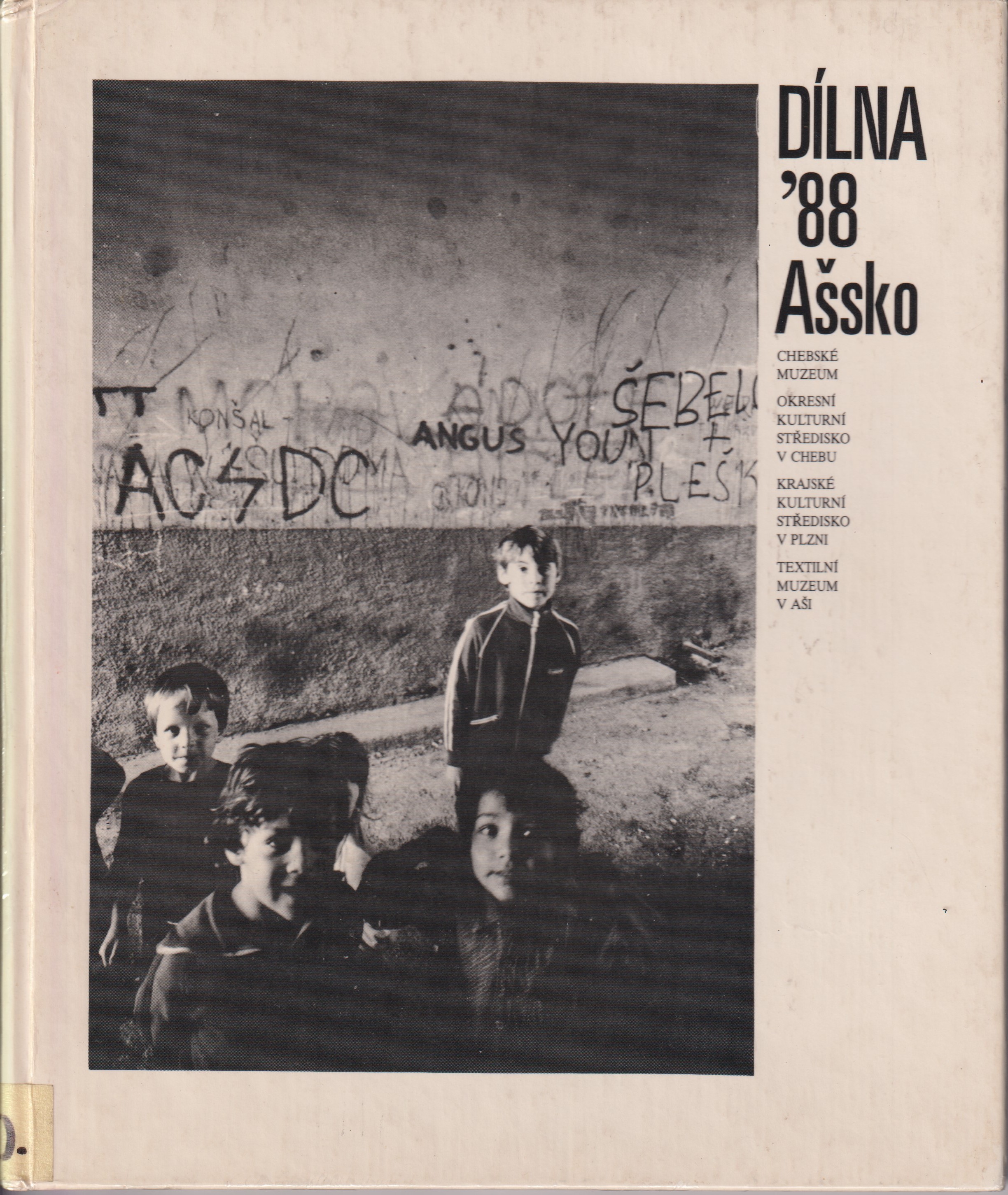
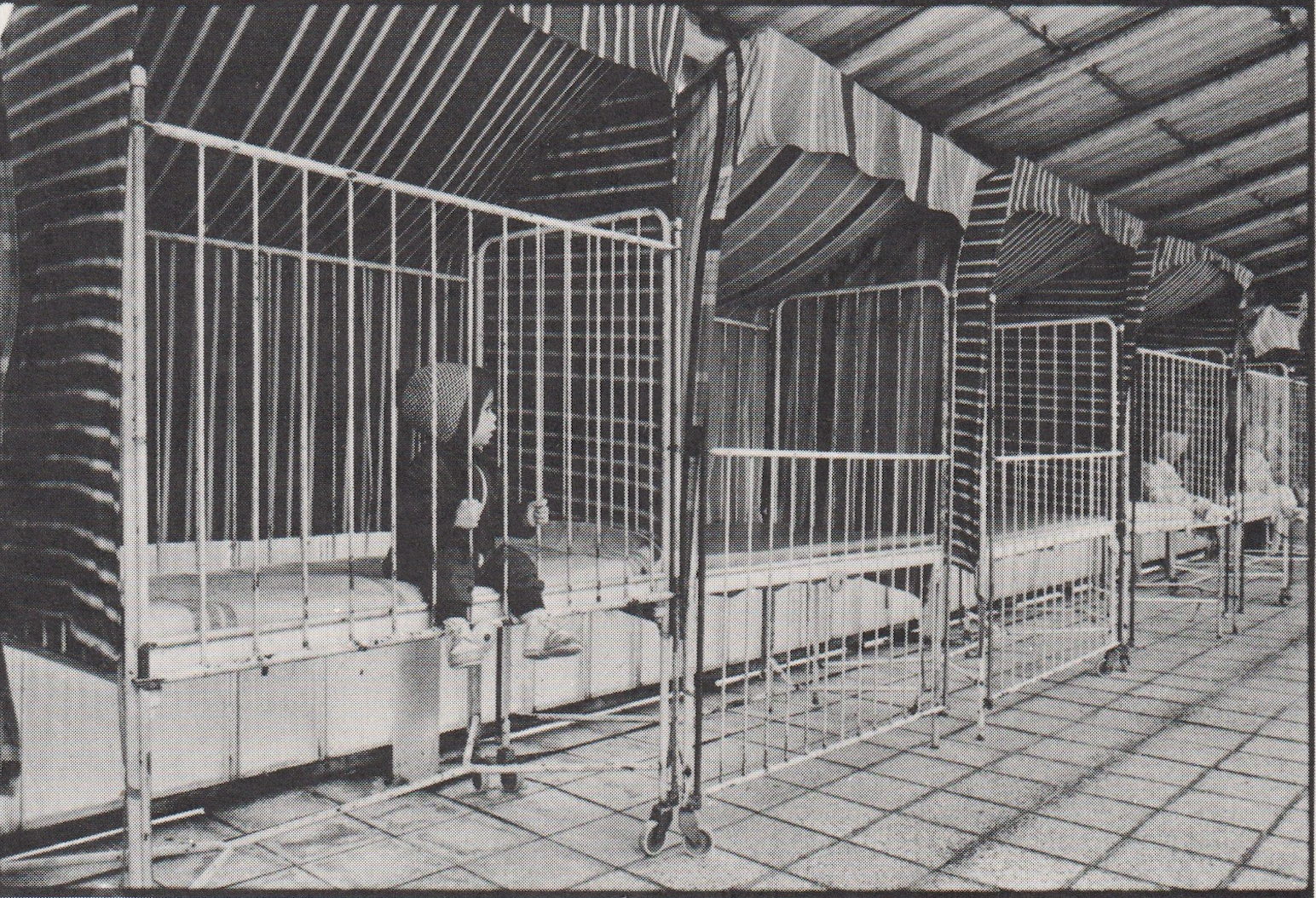
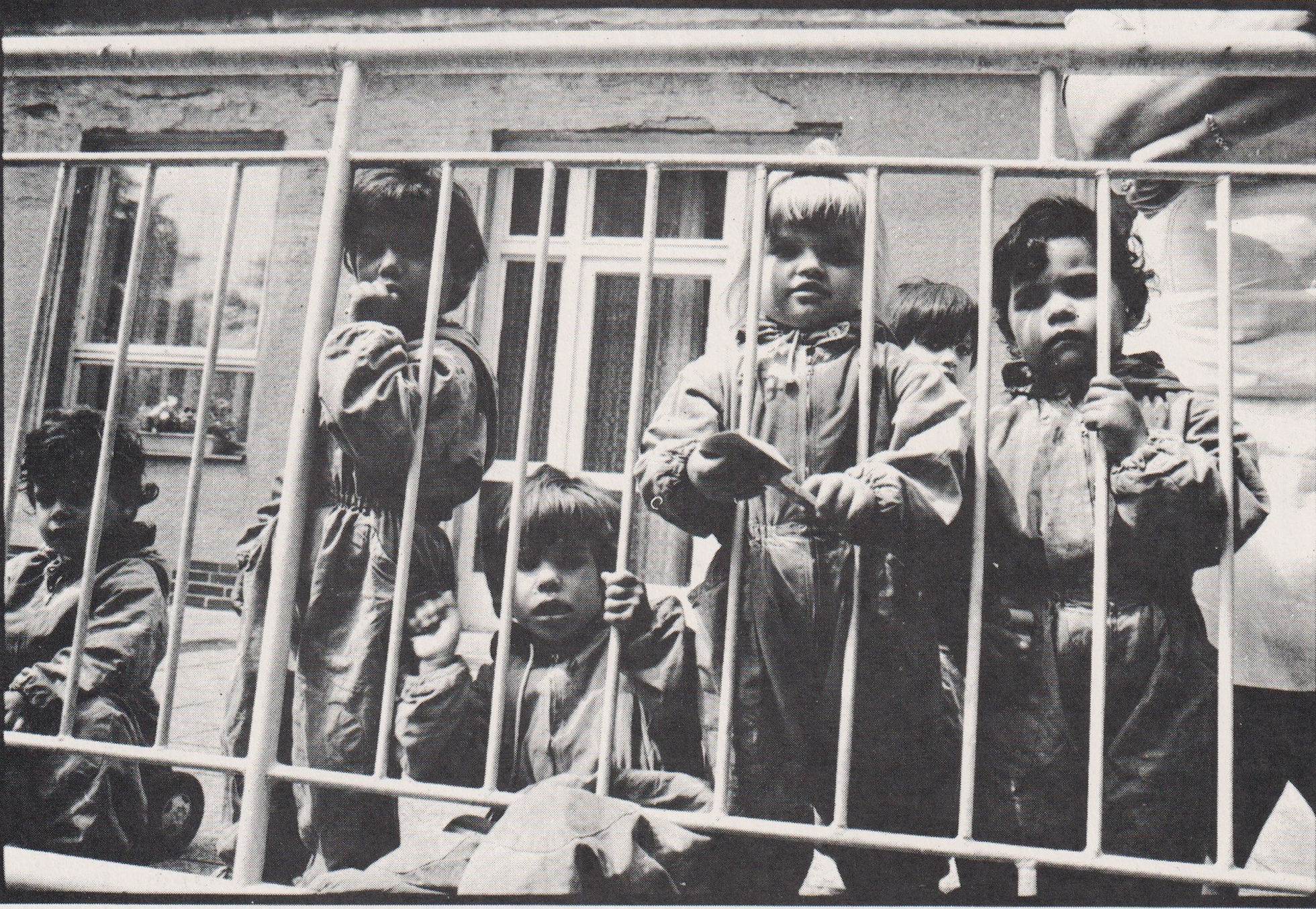
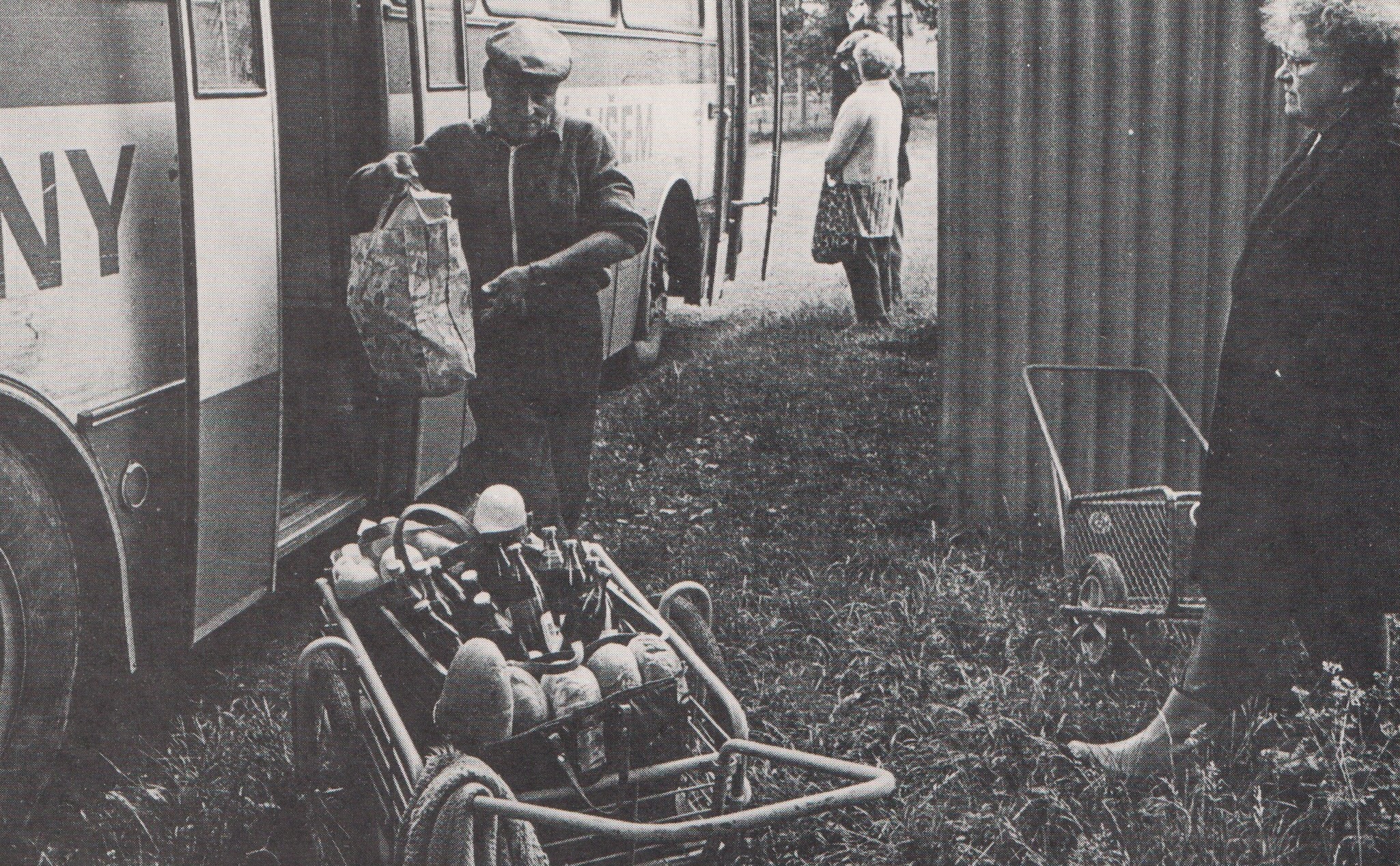
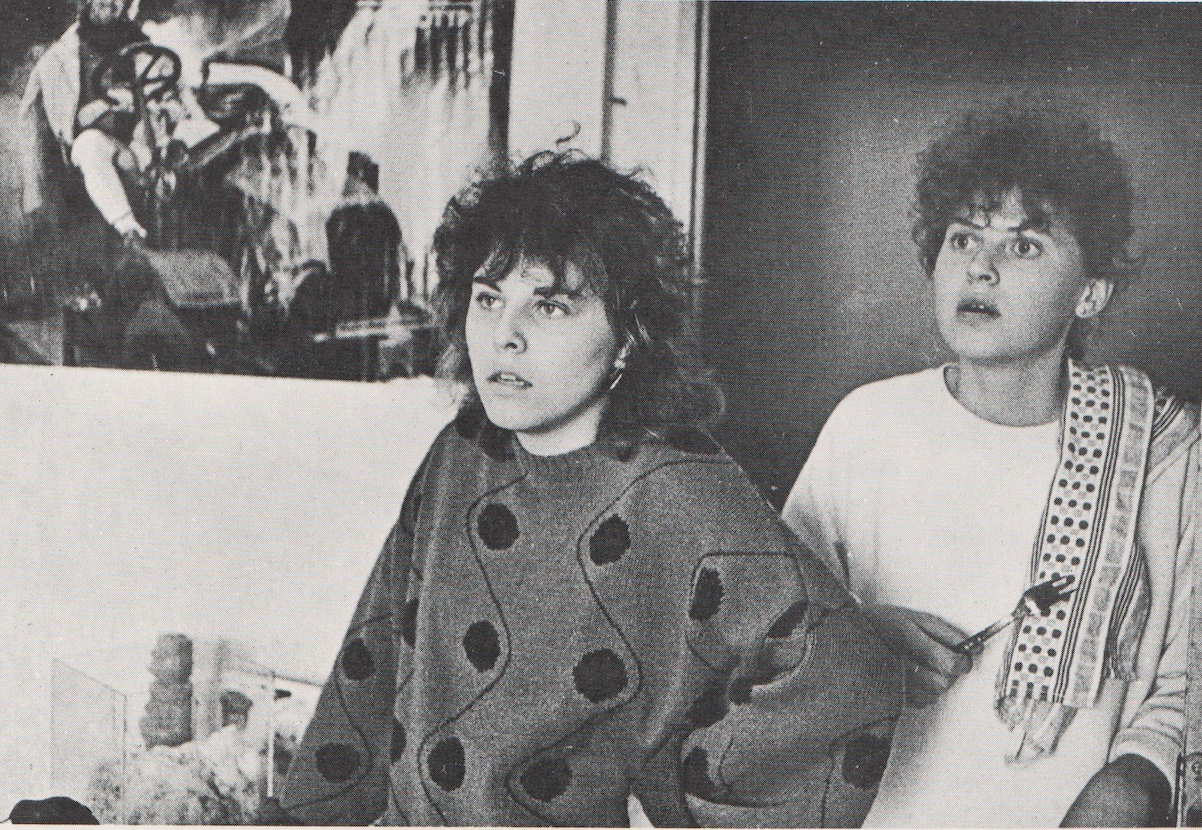
  • "The photo workshop was an invitation to leading photographers, about two of whom were from abroad. There were fifteen in total and they were to document the life of the city where they lived from all possible angles. Some took it artistically, some took it socially - they took pictures of old people, children, architecture, girls, whatever. Thousands and thousands of photographs were taken. Of course, in the year they were taking the pictures, and even though they were taking pictures as best they could, it didn't look good - it exposed the mess of socialism. Then, of course, when the catalogue was produced, it was sold out before it could be banned. And heads were falling."

  • "Mikuláš Medek was amazing. We had an old green van 1203 and with Míra Bazala we went to the Benedikt Rejt Gallery and wherever they had some paintings of Mikulas Medek. We arrived in Prague to 'Zvon' where it was already pre-arranged. I said that we were going to get Medek, and from the office everyone turned to me: 'Are you going to do Medek?´ They didn't want to believe it, because at that time he was forbidden. We used to do things like that sometimes. Our councillors were stupid, or maybe it was the intention of the Communists to say that even such artists could be exhibited here. They had them exhibited on the so-called periphery in Aš, but half of Prague came to the opening."

  • "There was an officer waiting, each only once, twice at most, to make it look normal; if it was more often, it would be suspicious. And then they went [with the refugees] along the so-called old smuggling route. In Hazlová, past the cemetery with the church, past the mill to Libá, where there is an outlet from the Czech Republic to Germany - the Kančí valley. From the narrowest point it was 500 metres to the first German house, the so-called Biedermann House. So they only had to cover a short distance to get there. They had it well thought out and it worked. There were planned transfers of important people."

  • Celé nahrávky
  • 1

    Aš, 15.08.2025

    (audio)
    délka: 01:04:18
  • 2

    Aš, 15.10.2025

    (audio)
    délka: 02:11:45
Celé nahrávky jsou k dispozici pouze pro přihlášené uživatele.

It was unacceptable, this is not what socialism looks like
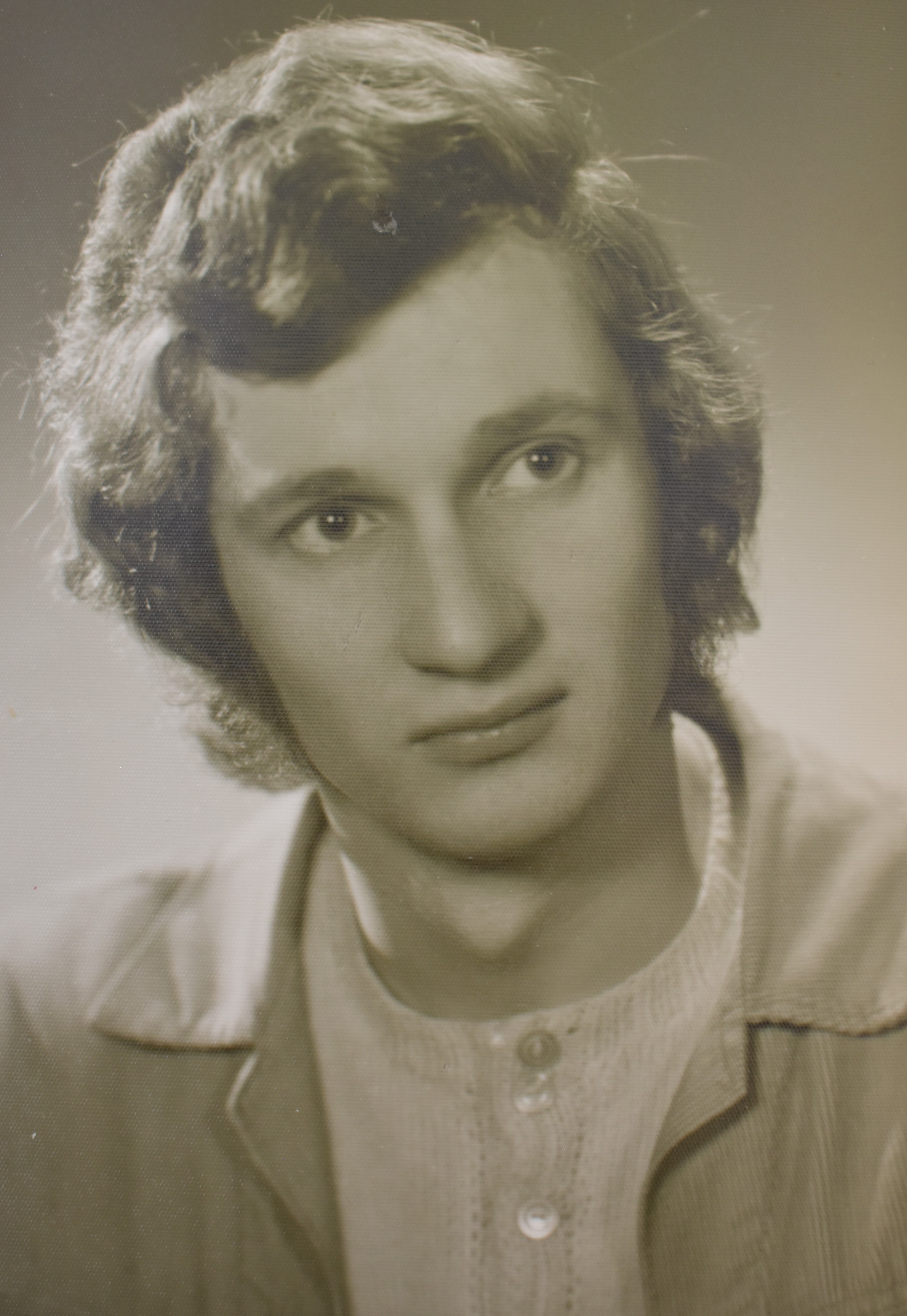
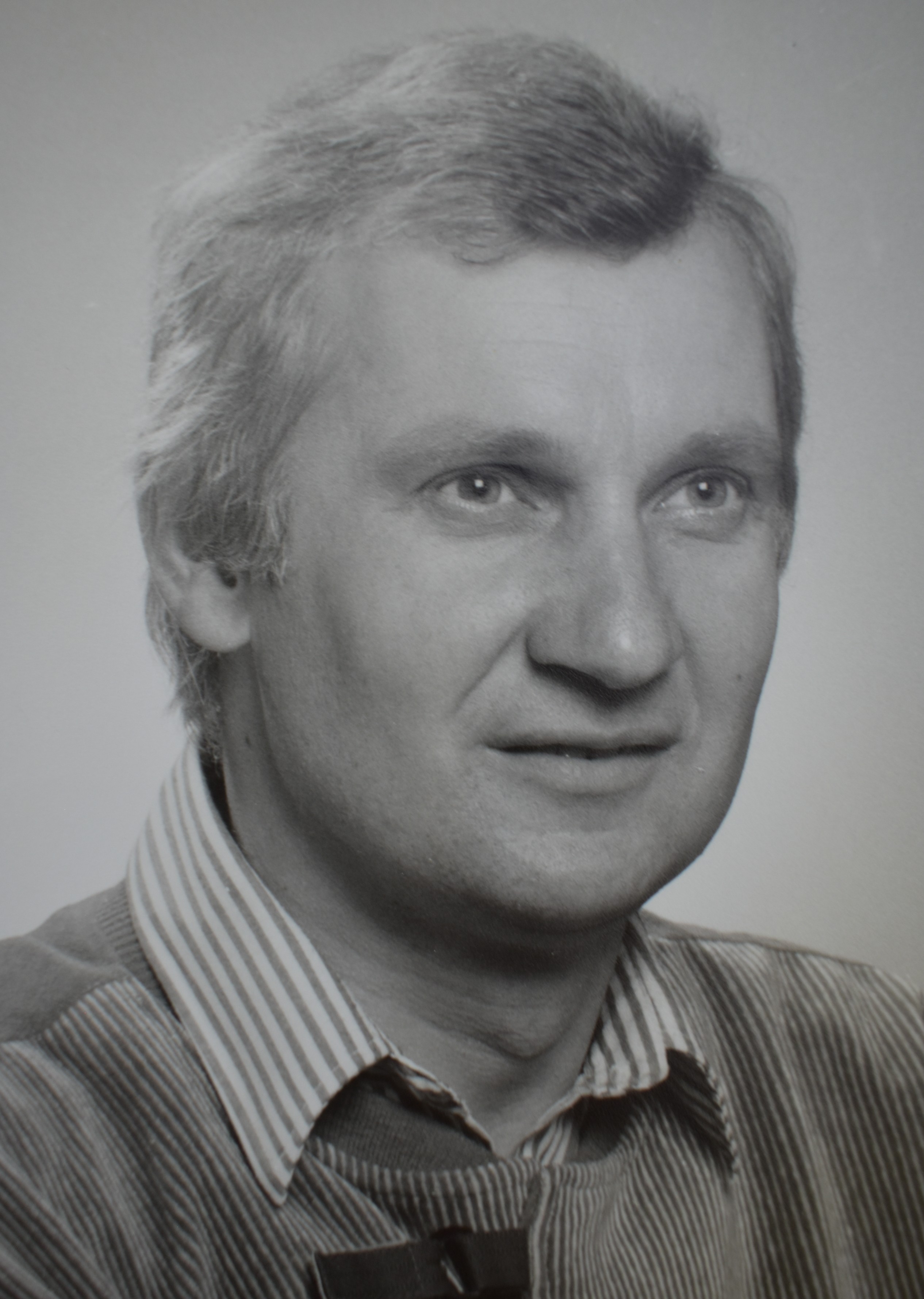
Jiří Bušek, 1971
Jiří Bušek, 1971
zdroj: Witness´s archive

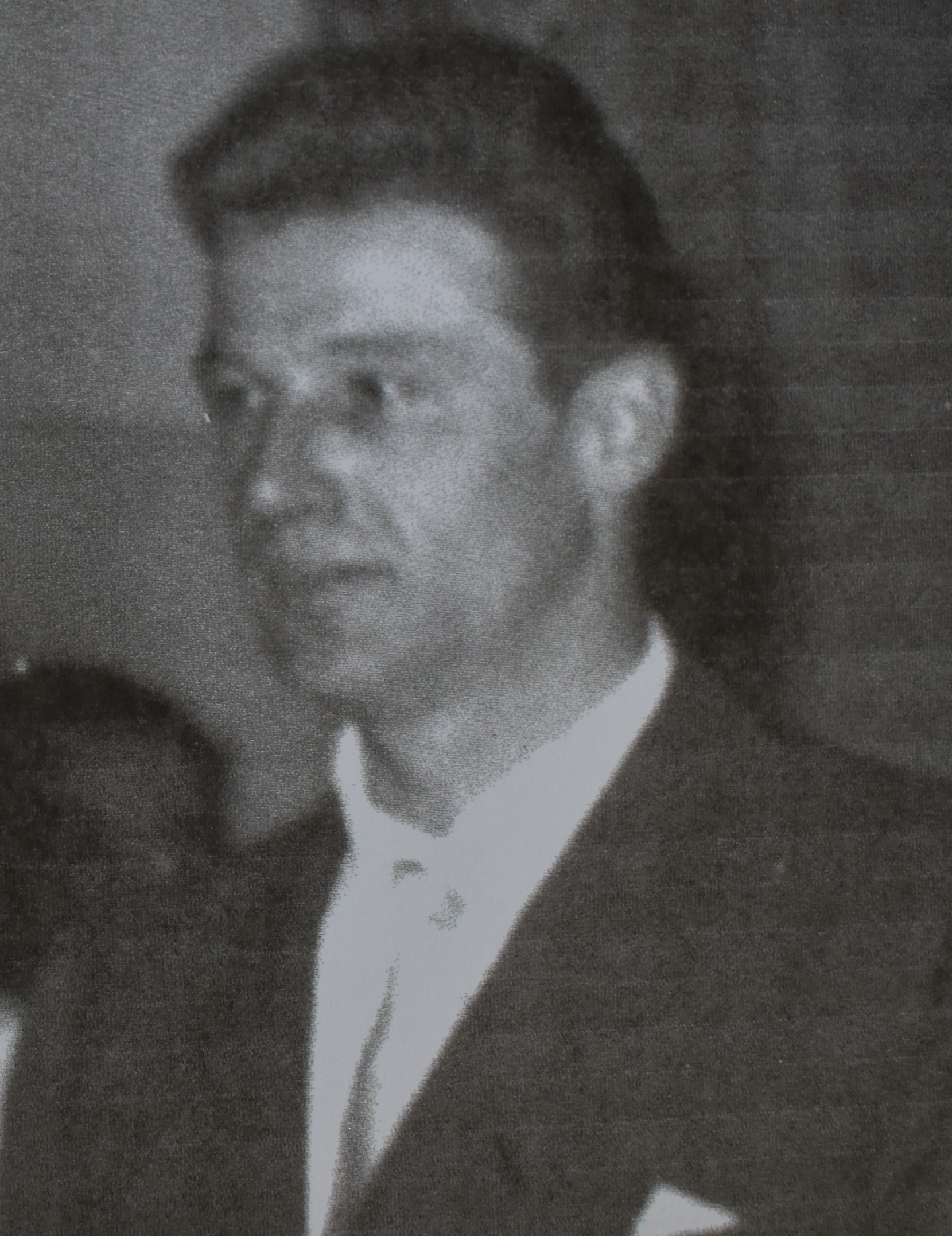
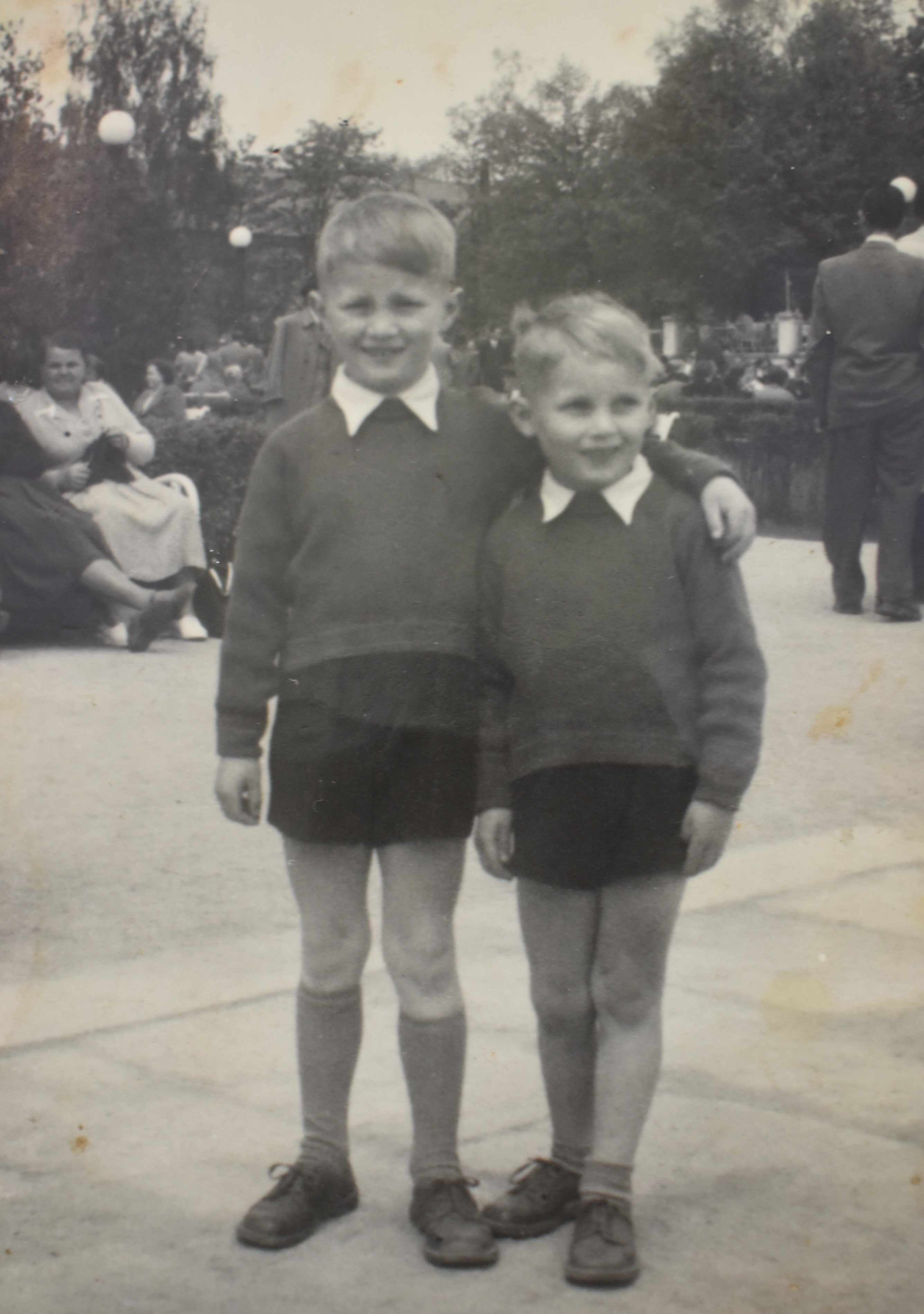
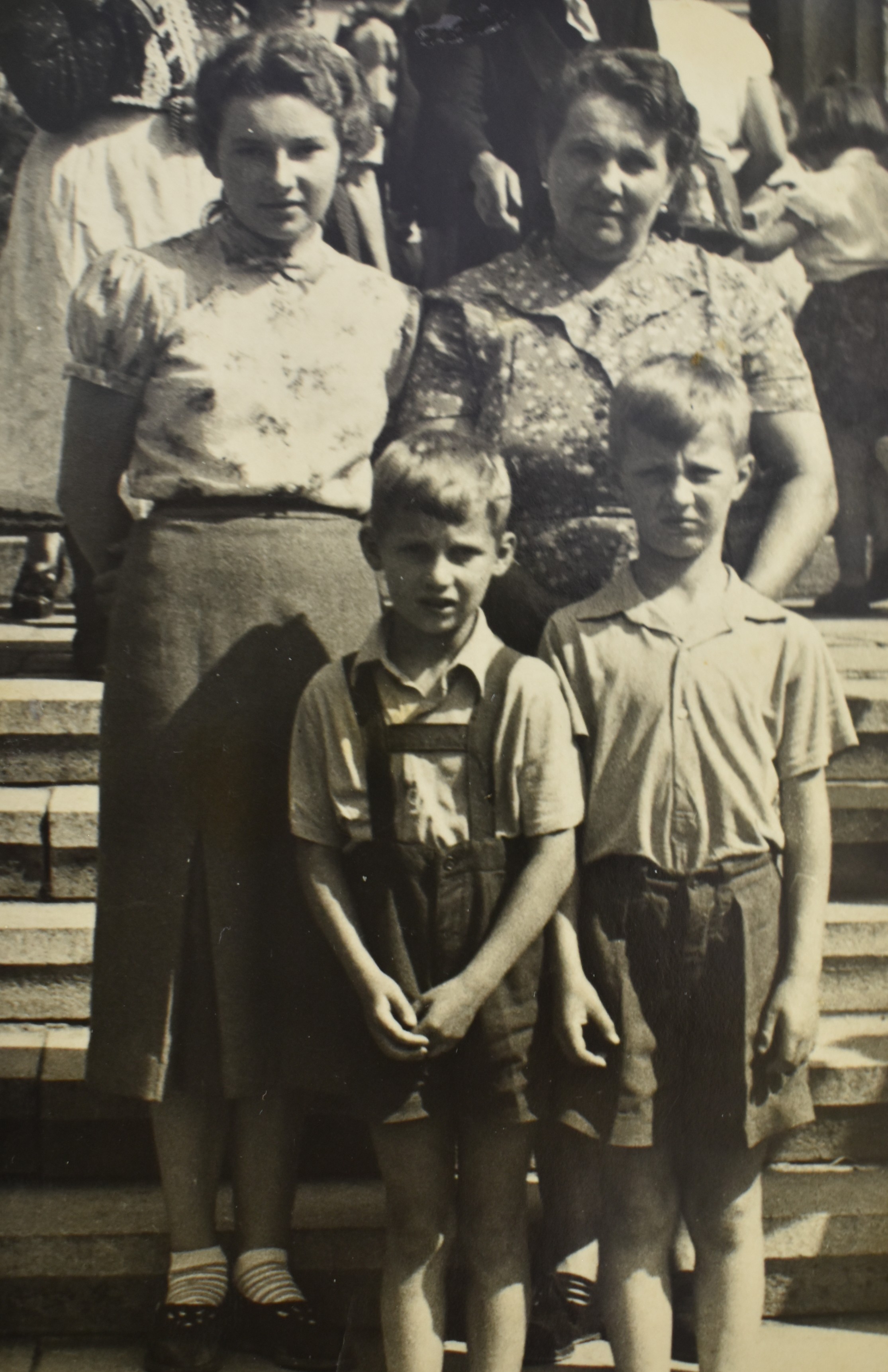
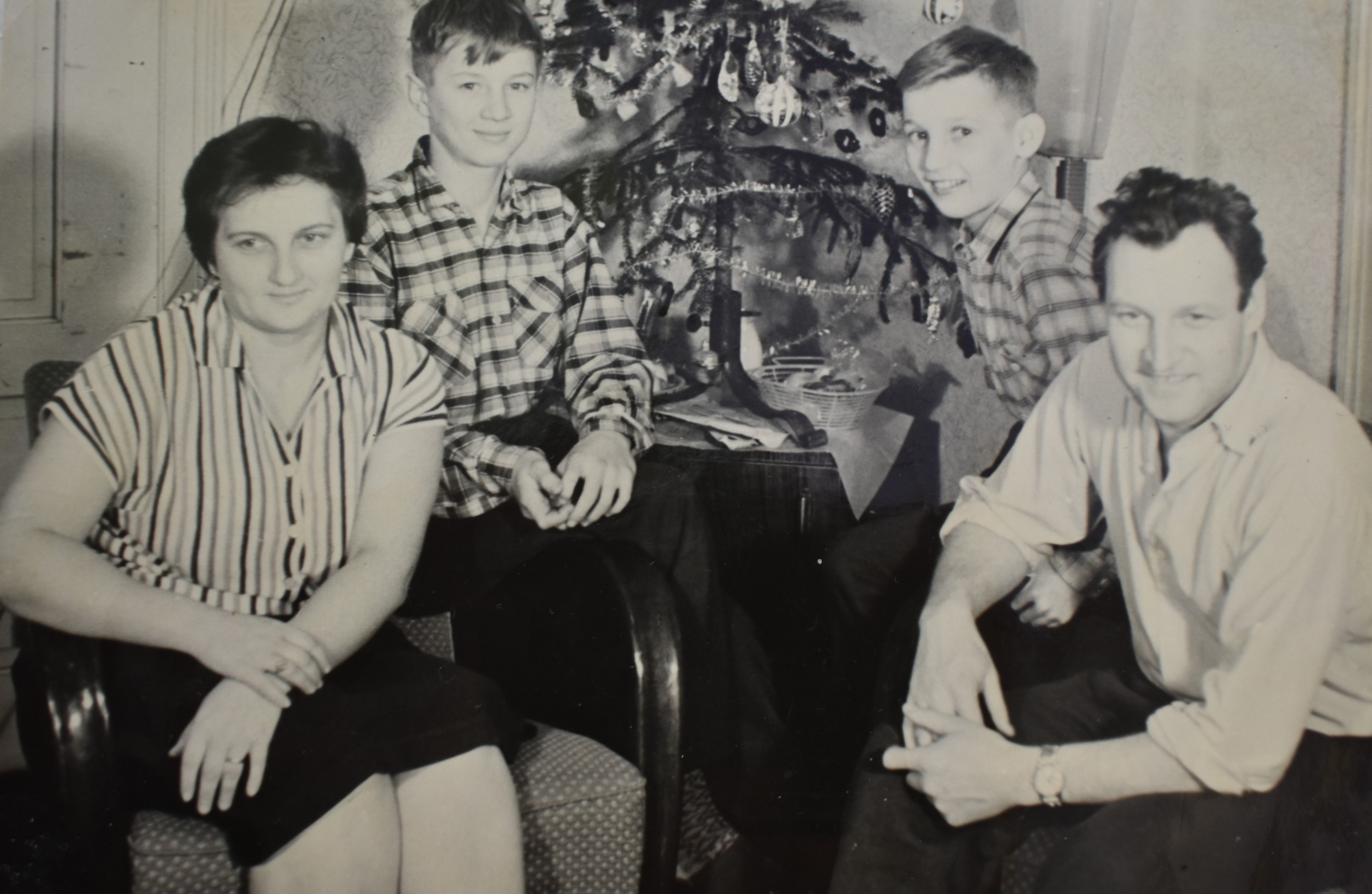
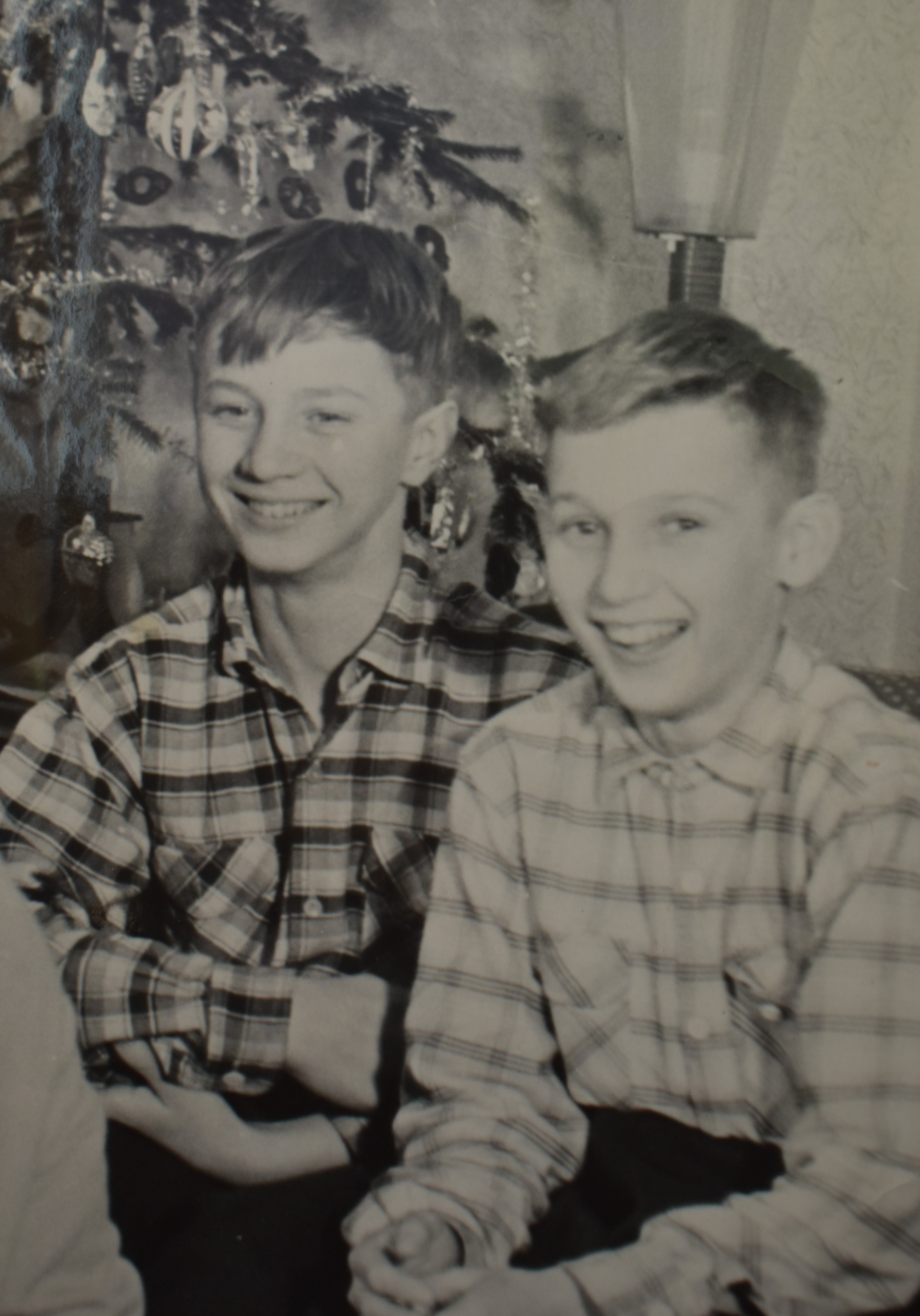
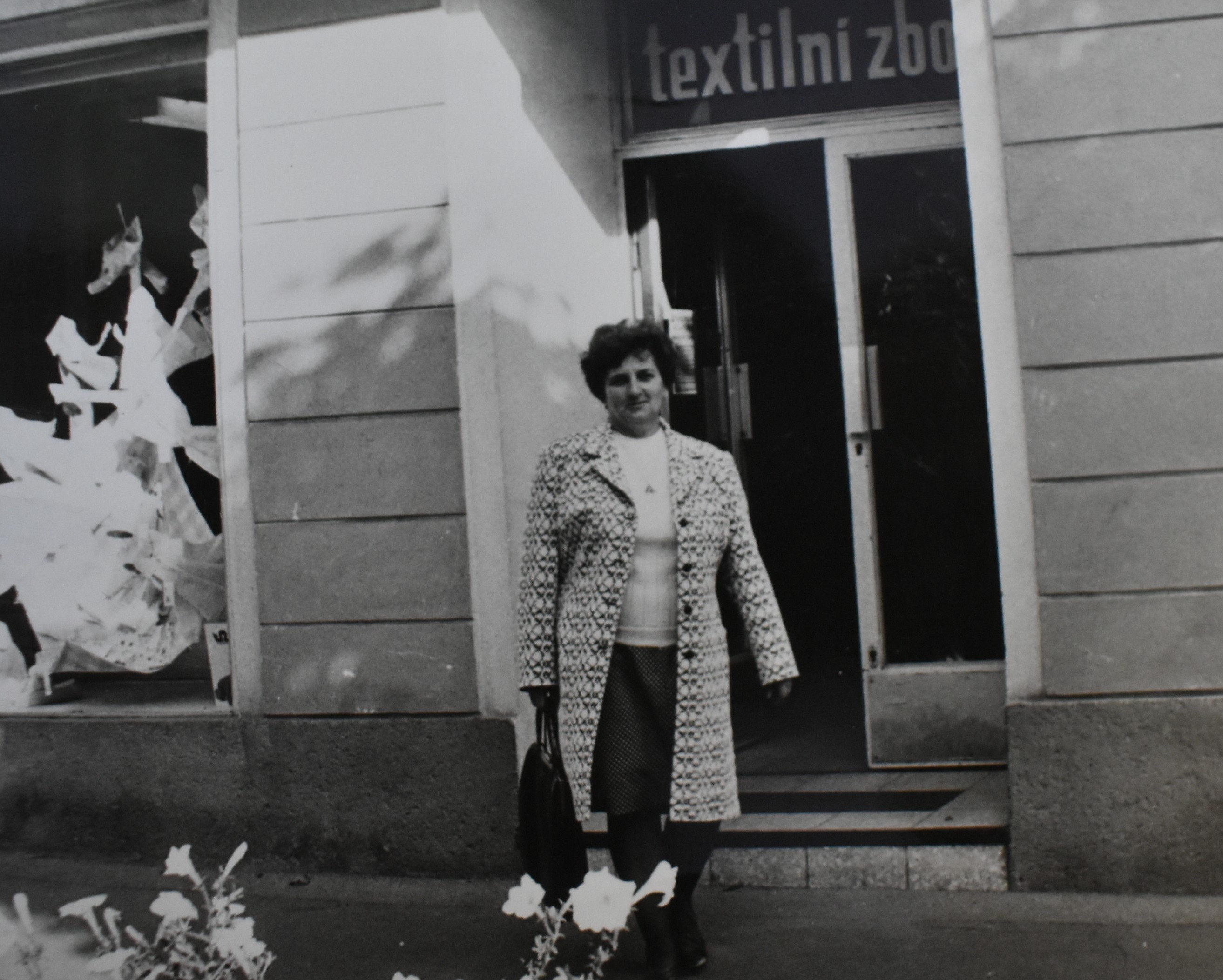
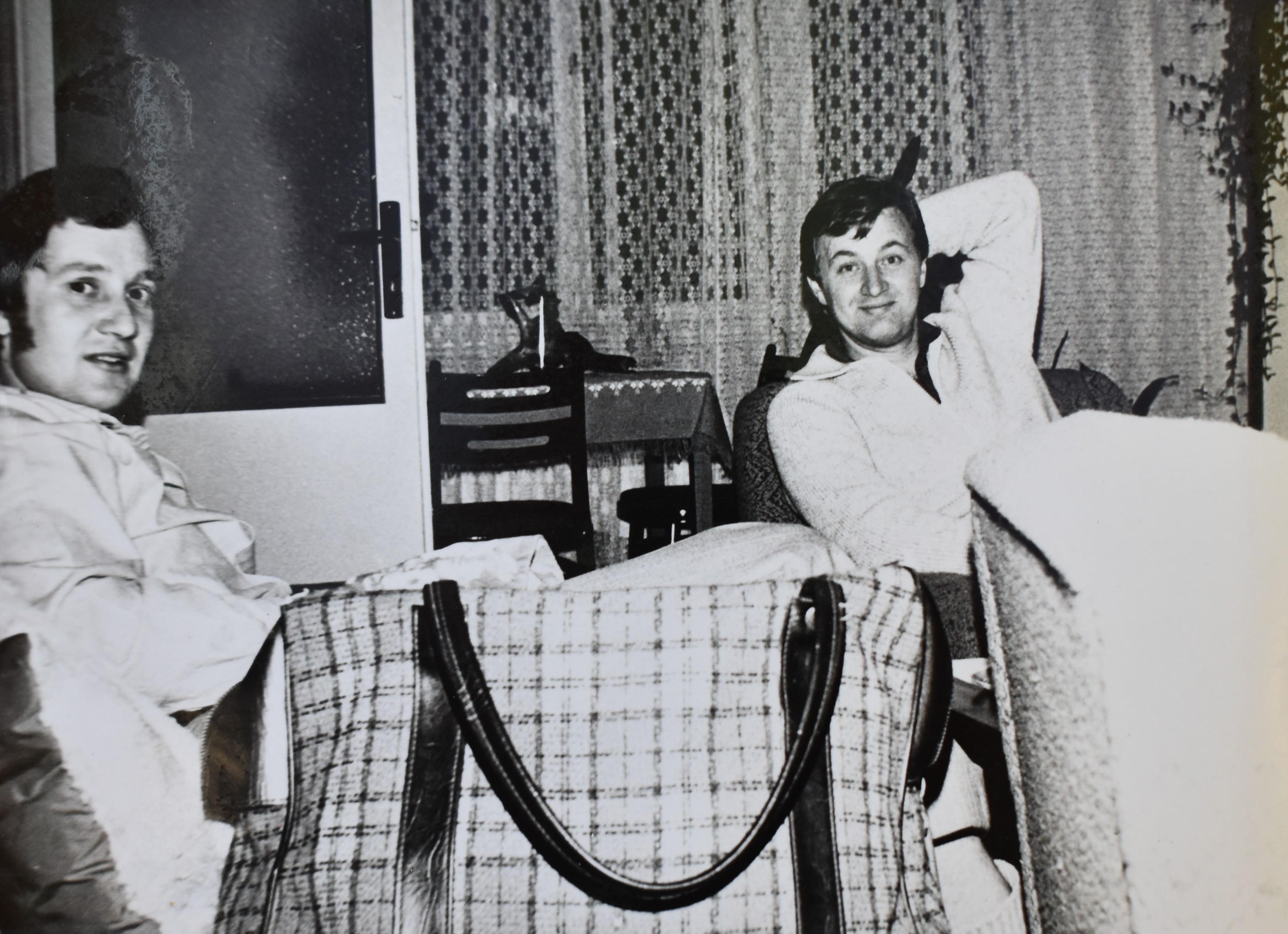
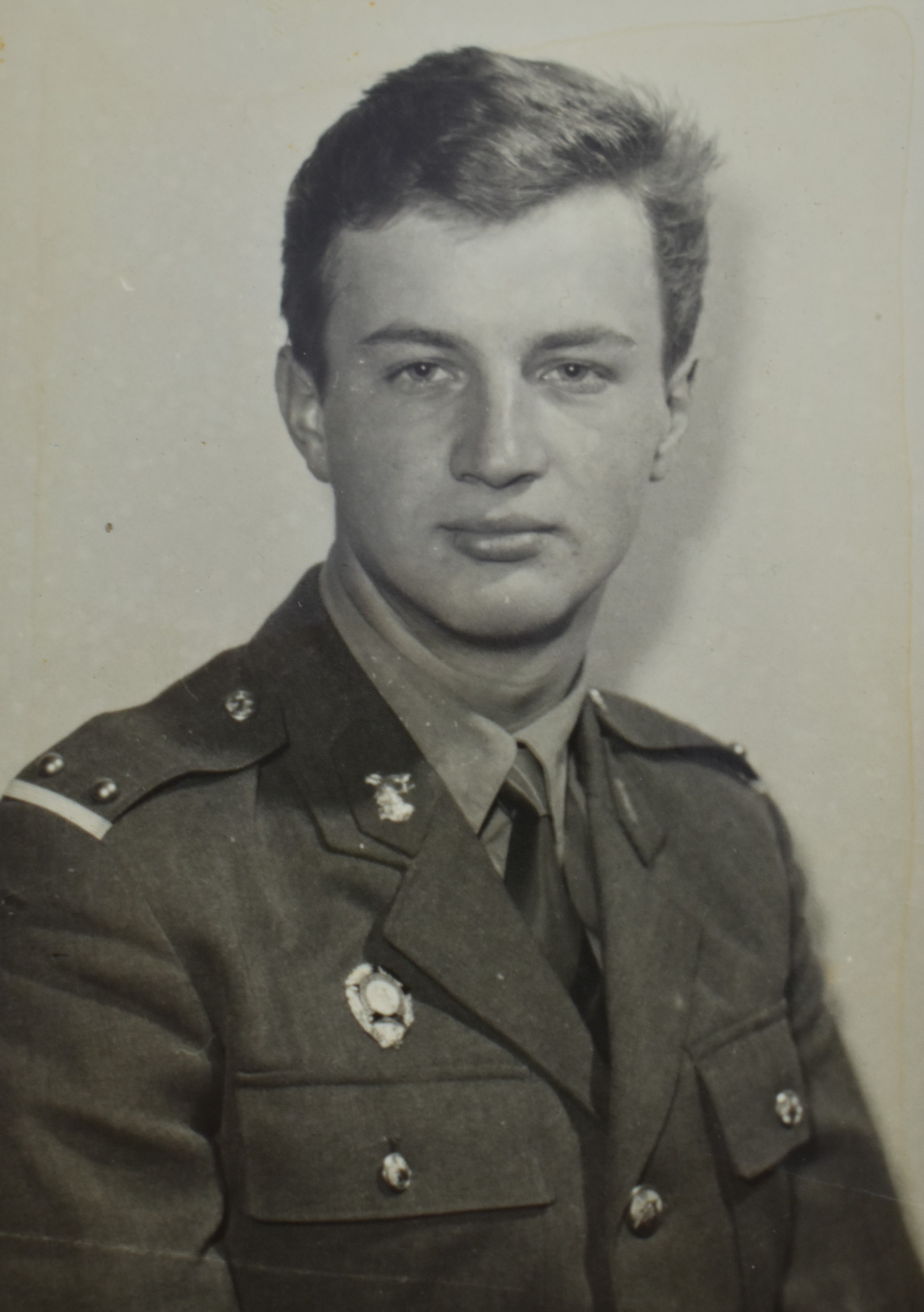
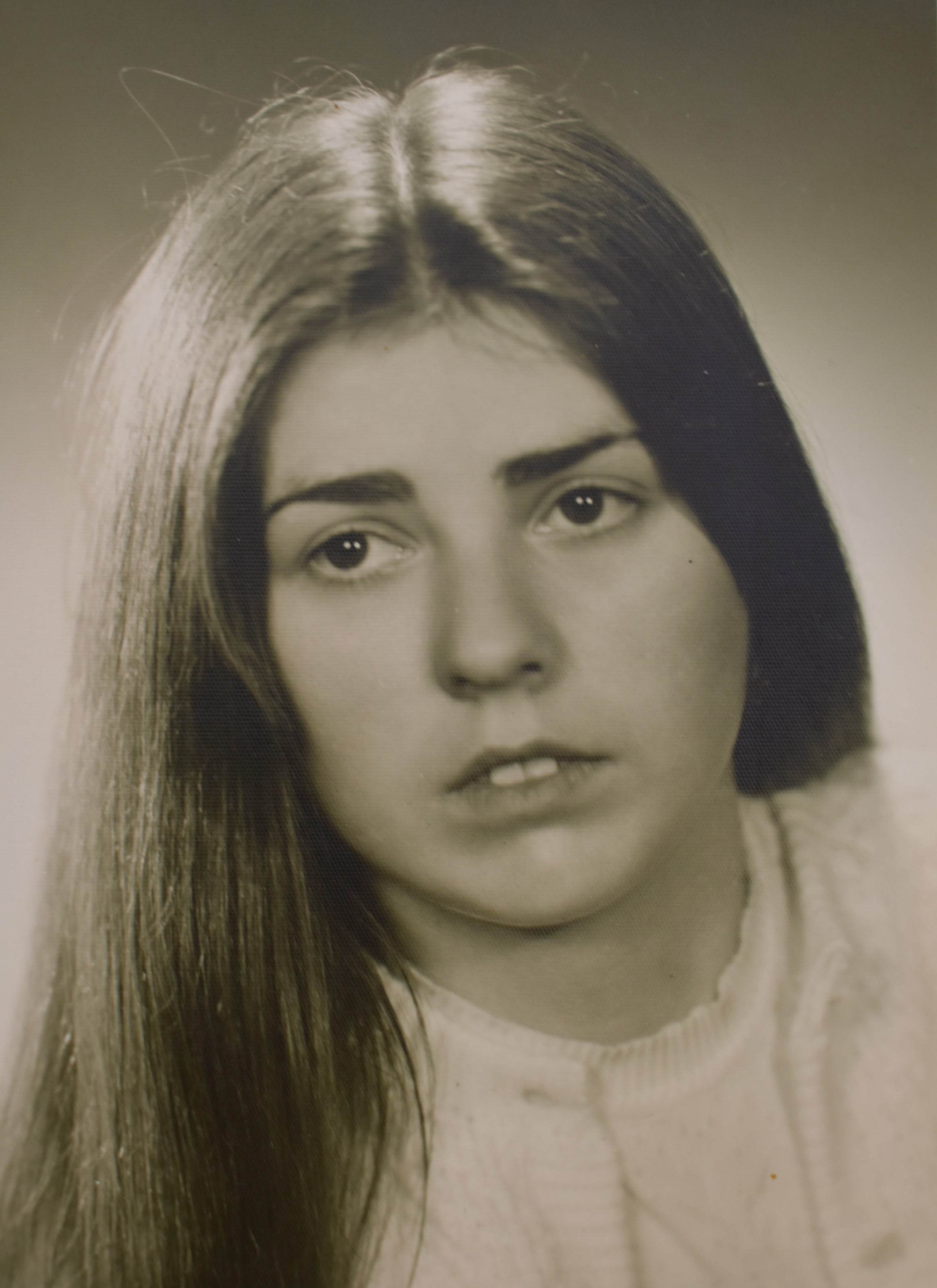
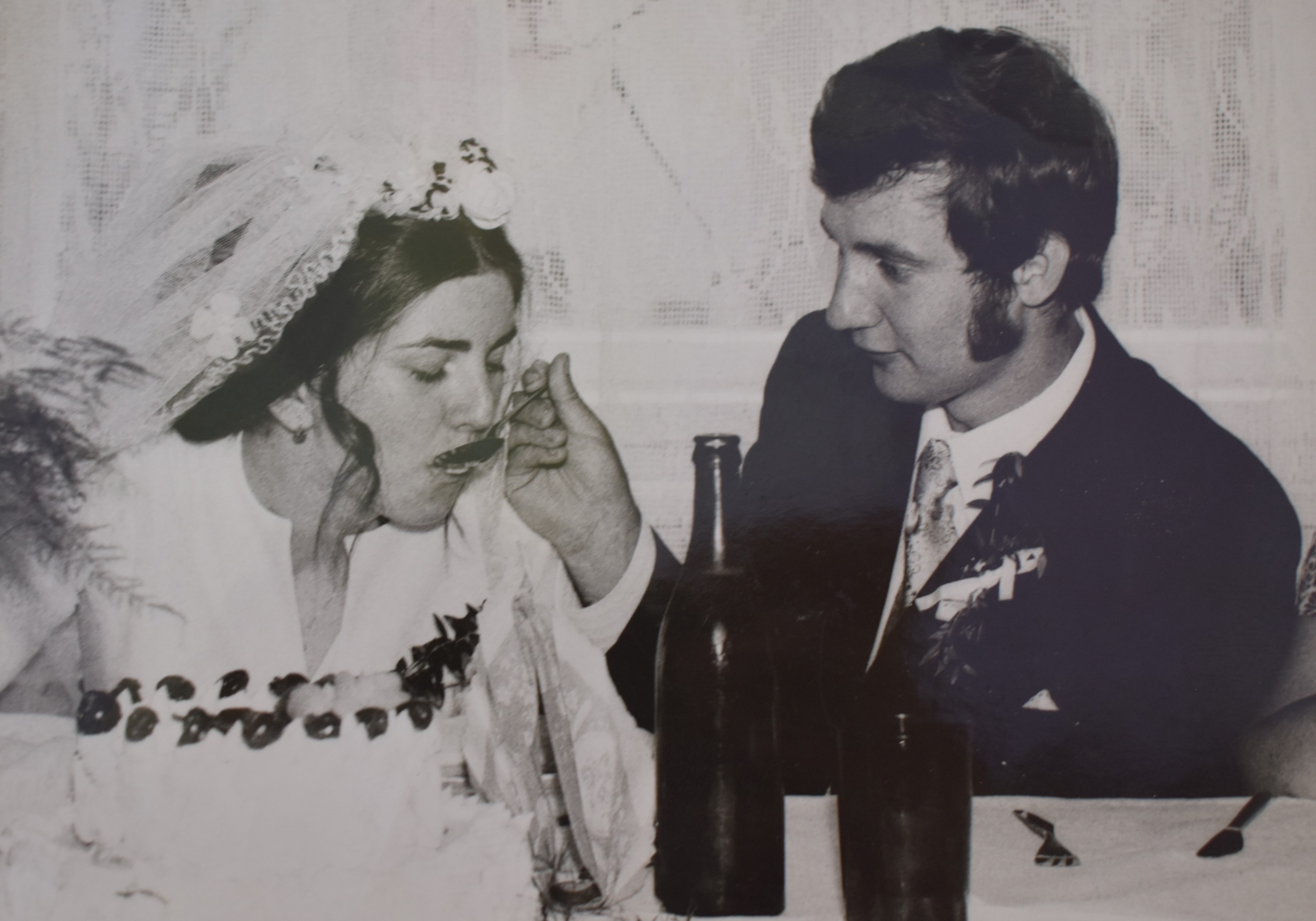
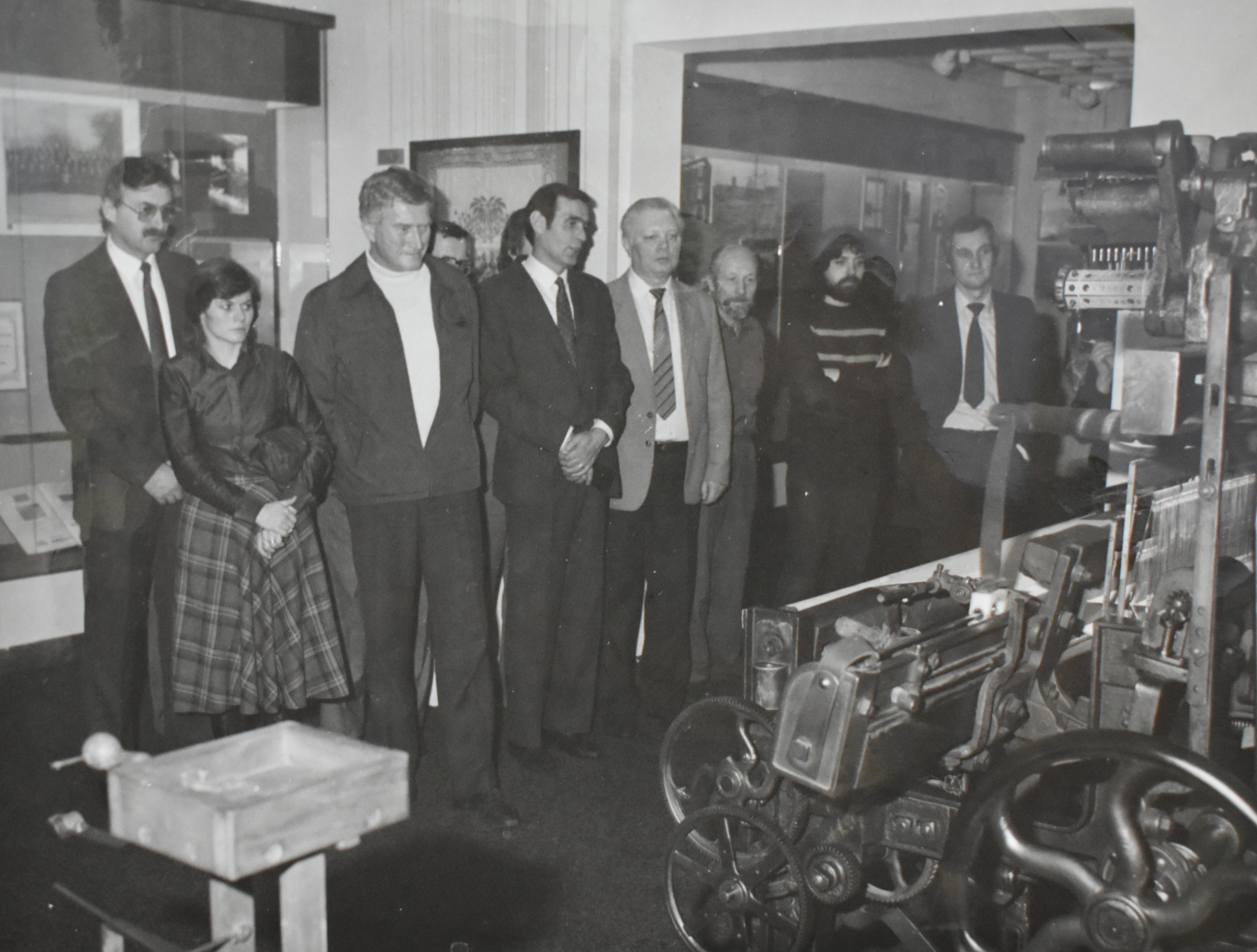
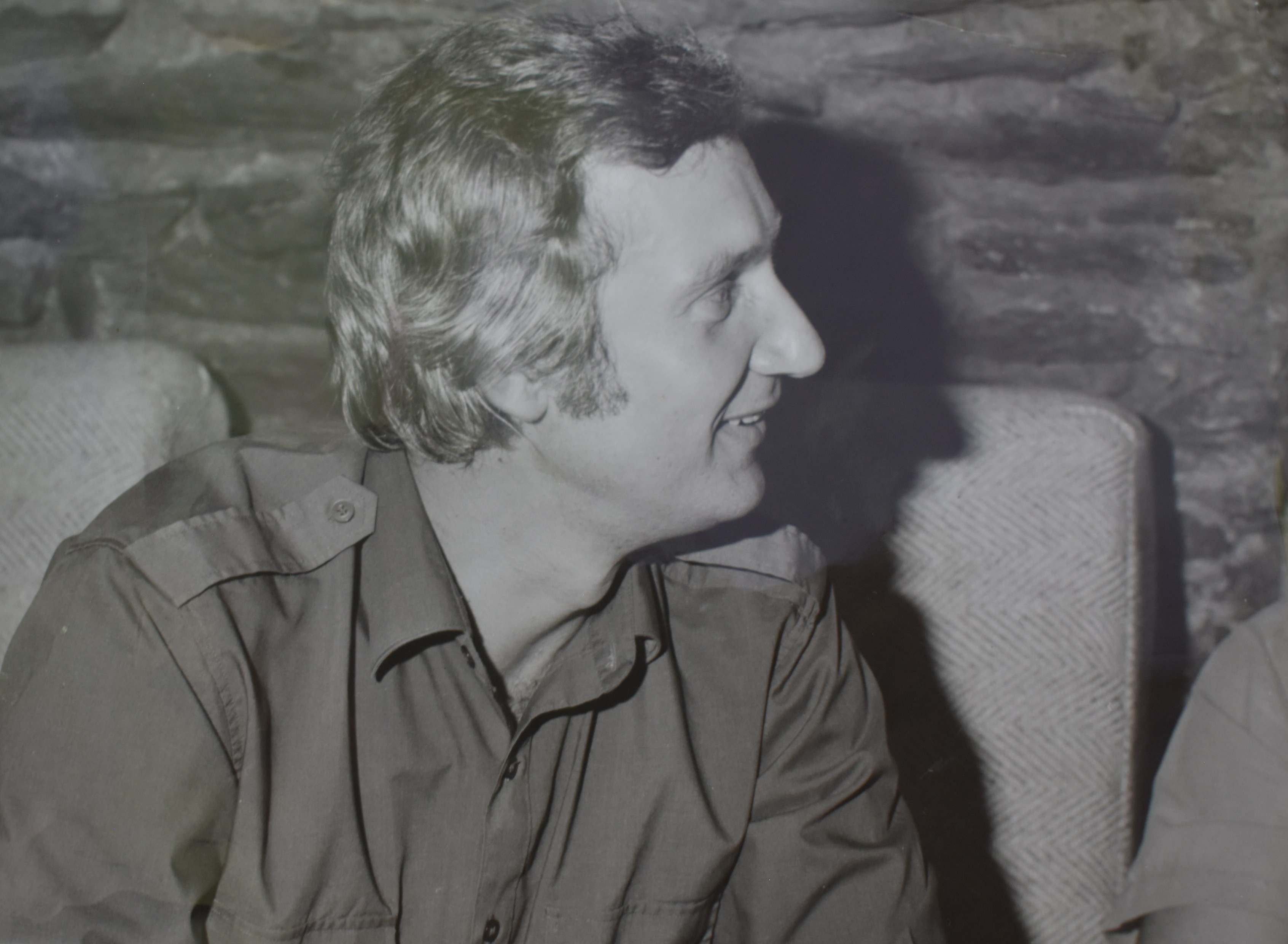
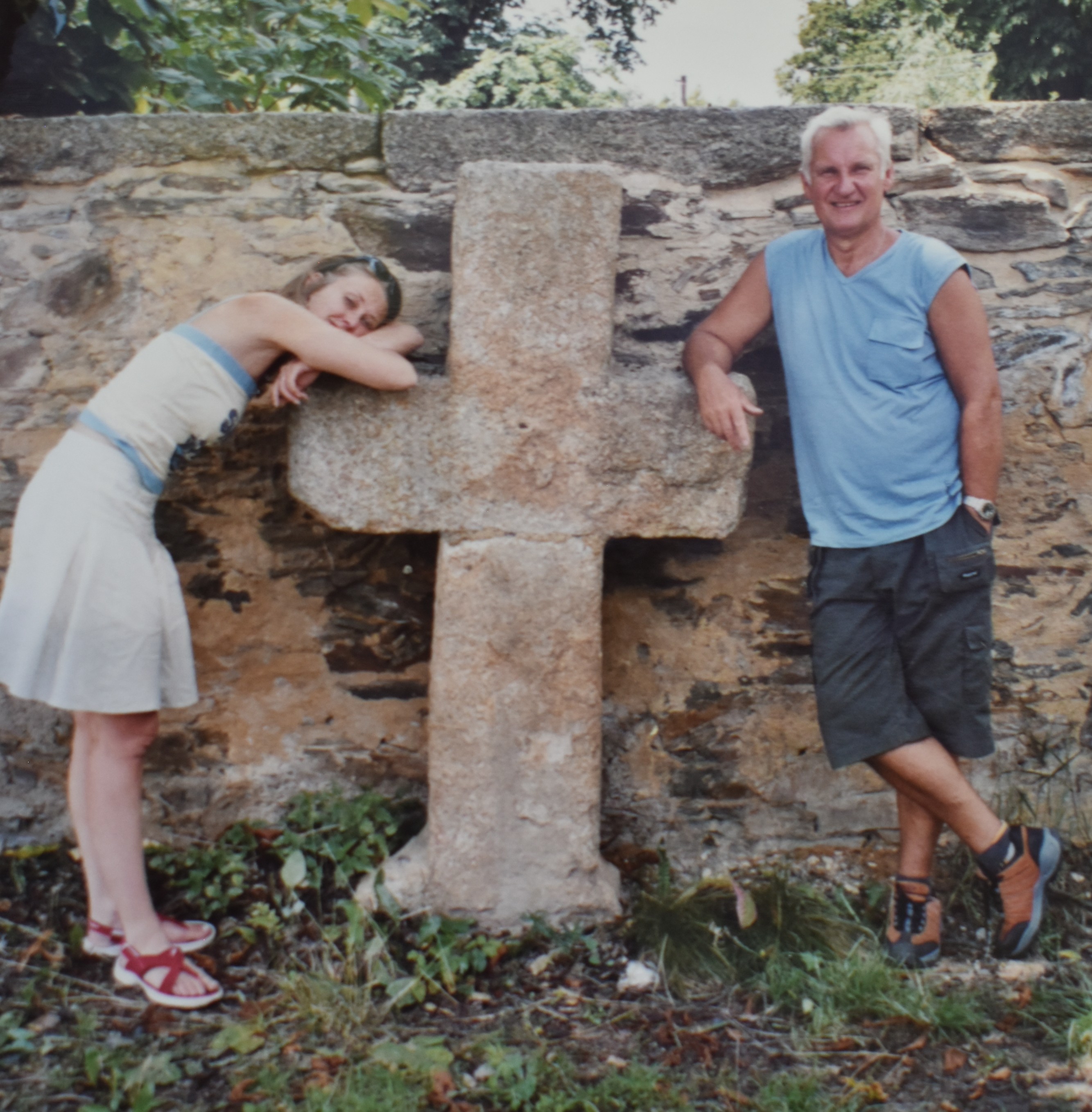
Jiří Bušek was born on 14 June 1949 in Cheb. His childhood was marked by the absence of his father, Vratislav Bušek, who was arrested in Hazlov in 1949 and accused of guiding people over the border as part of a secret State Security operation. The first time he saw his father was during a visit to prison. His father was sentenced to 20 years. After primary school he graduated from secondary textile technical school in Aš and worked as a vocational training master. Later, he took a job as a printer in a dyeing plant in Krásná. In 1975 he became seriously ill and worked as a librarian in a small branch. In the second half of the 1970s he started working in the Aš Museum, where he built a textile exhibition. When he joined the museum, a new world opened up for him - he prepared exhibitions of important artists, including Mikuláš Medek, and participated in photographic workshops documenting the reality of socialism. During his thirty years at the museum, he was instrumental in the creation of many exhibitions and contributed significantly to building Europe‘s largest collection of strike gloves. In the 1980s he was instrumental in founding the Society of Conciliation Crosses. During the Velvet Revolution he was actively involved in the creation of the Civic Forum. In 1991 he and his wife started a business and after eleven years he retired. His work and legacy remain on display at the Aš Museum to this day. At the time of the recording, in 2025, he and his wife lived in Aš.