Katrin Berger

* 1970

  • "Time passed, we all settled into our seats, and then they closed the car doors from outside. That was the worst part of the whole thing, worse than when I first entered the embassy. They locked the train from outside. That felt the worst to me. To this day, I can still hear that strange sound in my ears, that loud click. Closed. We all looked at each other in horror, not knowing what was going to happen next. We knew the train was going to move now, but to be locked in from outside? I mean, they could have... I don't know, we didn't know. They just told us that we would go via GDR, but they could have sent the train to Berlin or Bautzen where there were prisons. I took a big swig of alcohol from the bottle and said to myself, 'You can't change anything about this whole situation anyway'."

  • "It was Saturday, 30 September, a day like any other but the atmosphere was somewhat strange. As I have already said, there were many people everywhere. Every once in a while you would meet someone you had seen before, someone from your room, or someone you were sitting with at a garden beer stall. I recall the staircase to the embassy was covered with a red carpet as I ran up the stairs - I had a bed in the loft, and all of a sudden I ran into a burly guy in a suit and a white shirt and this weird thing in his ear that had a chain leading out of it that I'd never seen in my life. I thought to myself: What's going on here? My first thought was, is there a wedding? If someone is dressed so festively, it could be a wedding. But then the jostling and whispering escalated and I found out that the two guys were bodyguards for the politicians who had arrived. I was standing to the side and then Minister Genscher came in, first standing alone, then the two bodyguards came up, and there were other politicians there too. Before I knew it, the others were asking me, 'Did you see so-and-so?' They were just walking there and other politicians would come. I thought something was going on with the politicians there, but I had no idea what exactly might happen. The crowd had escalated and there was such a strange mood, I can't even describe it, like it was boiling everywhere. There were whispers coming from everywhere, just strange. Then we were told to go outside, but the embassy garden was already full of people. The famous balcony was lit up, but we still couldn't see anything. All we heard were voices, and somebody said, 'That's Hans Dietrich Genscher.' He came with a lawyer, Vogel, a Berlin lawyer who handled everything for people when they wanted to go from the East to the West, more or less selling them visas. There were other politicians there, this Mr Vogel - he was quite a person - and Mr Genscher. When Mr. Genscher spoke, people squealed with joy and cried. I was standing in the crowd, so I could hear the soundscape and only little snippets of his speech. Suddenly there was a loud cheer, and I understood later that this was the famous moment that the media talked about later. I didn't understand what he was saying at the time because there were so many people and so much noise, how could I hear him?"

  • "They didn't open the gate to the embassy, just a small door, and they let us in one by one. I don't remember how many people were in that short queue, maybe six to eight - I don't remember exactly, it was so long ago. Then we were inside. You couldn't tell it was an entrance; there were stones, and the door shut noisily behind us. I stood there with only one of my friends. The rest of our group stayed outside and I never saw them again. Probably they were unlucky, it's hard to say. I thought, 'What are you doing here?' I was only nineteen, so I was understandably scared. I knew from my father that nobody could hurt you at the embassy, you're protected at the embassy. Then somebody said, 'Would you like something to drink? Would you like some tea?' That made me happy. I think it was the Red Cross people. Someone else asked if we could identify ourselves. I said, 'Sure.' I had all my important papers with me. They told us that once we had identified ourselves, we didn't have to worry about anything, we could be completely calm because we were safe."

  • Celé nahrávky
  • 1

    Praha, 29.09.2024

    (audio)
    délka: 01:42:36
    nahrávka pořízena v rámci projektu From Germany to Germany through Czechoslovakia
Celé nahrávky jsou k dispozici pouze pro přihlášené uživatele.

I knew from the age of 16 that I didn‘t want to live in the GDR.
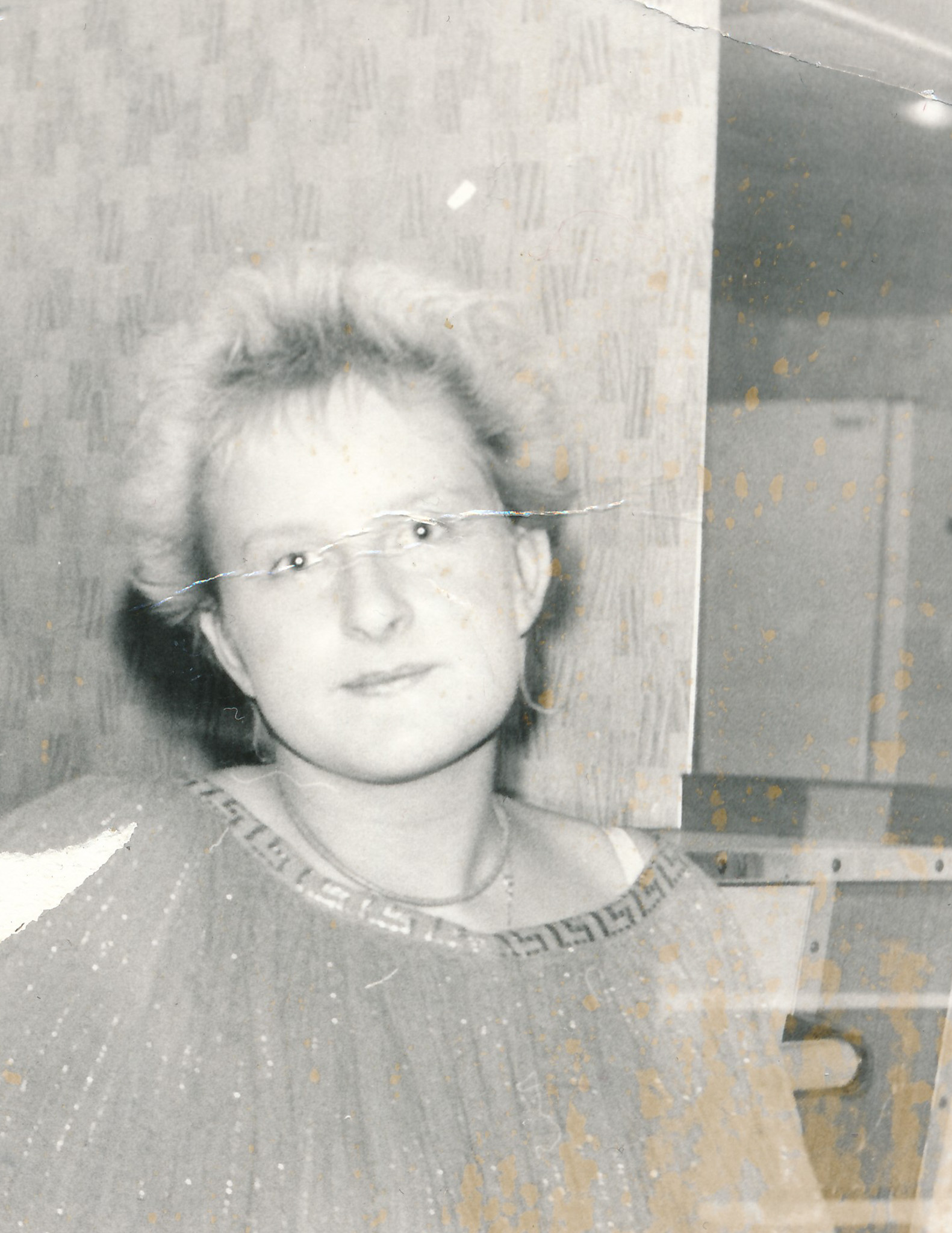
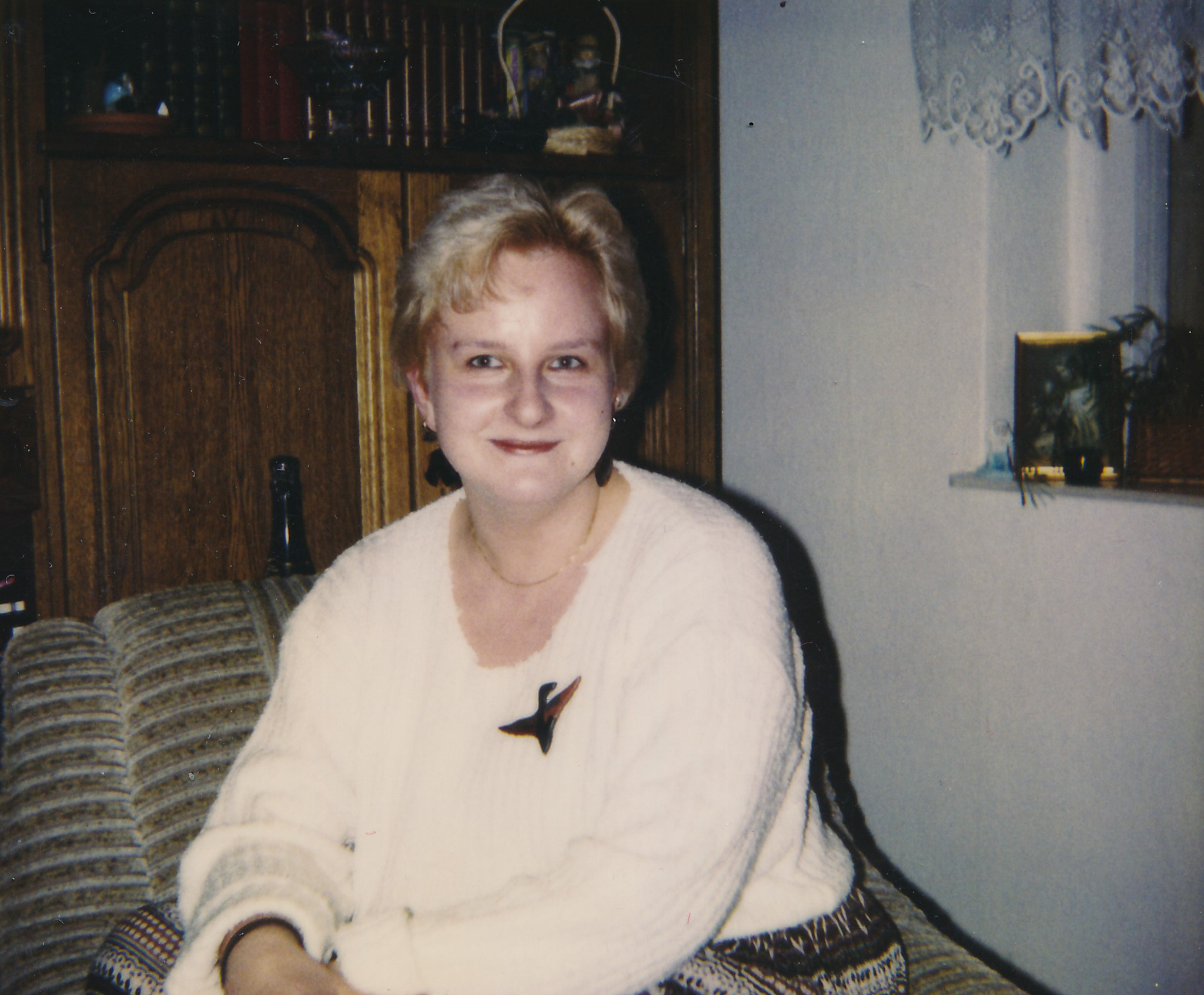
1987 - Katrin as an apprentice
zdroj: Witness

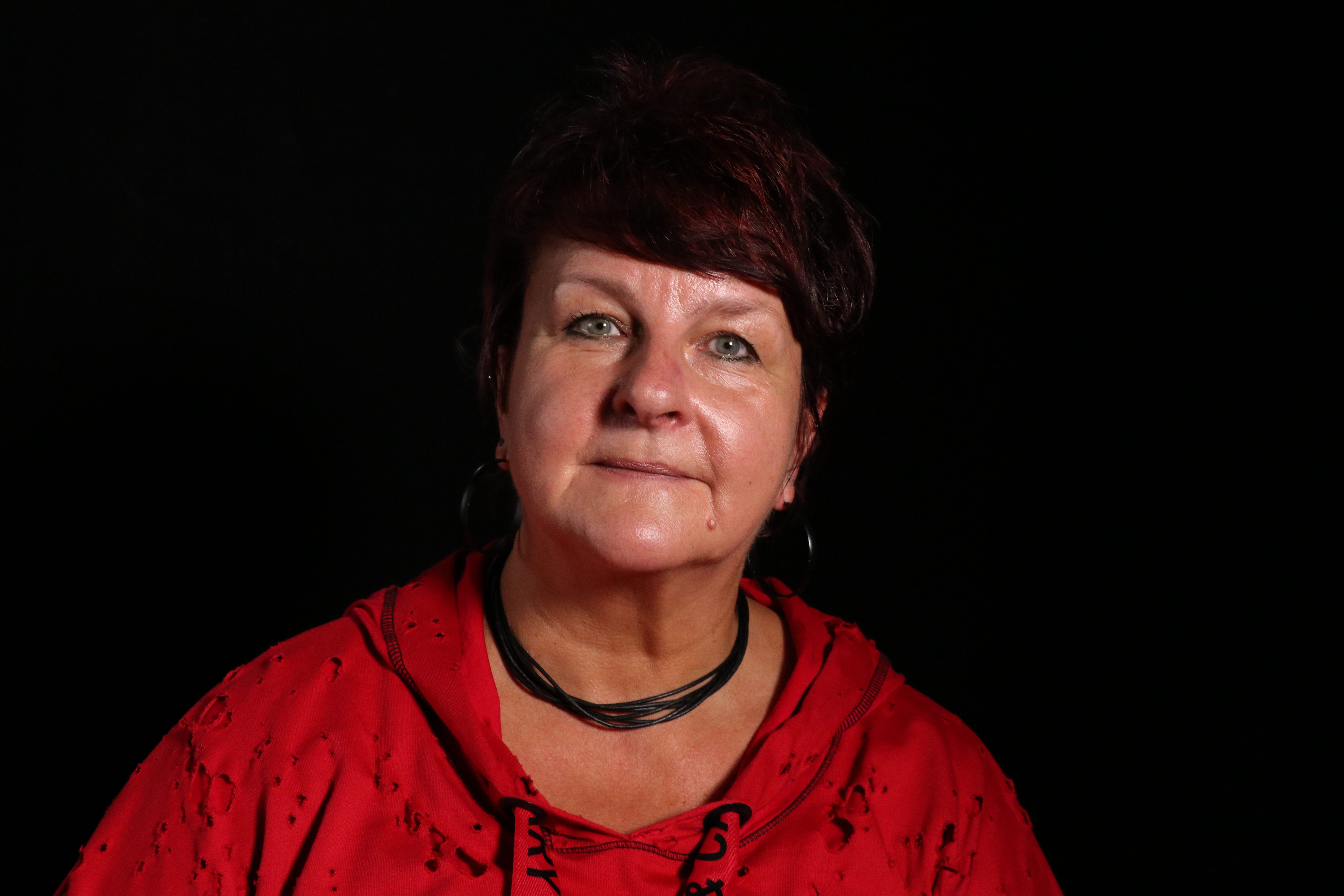
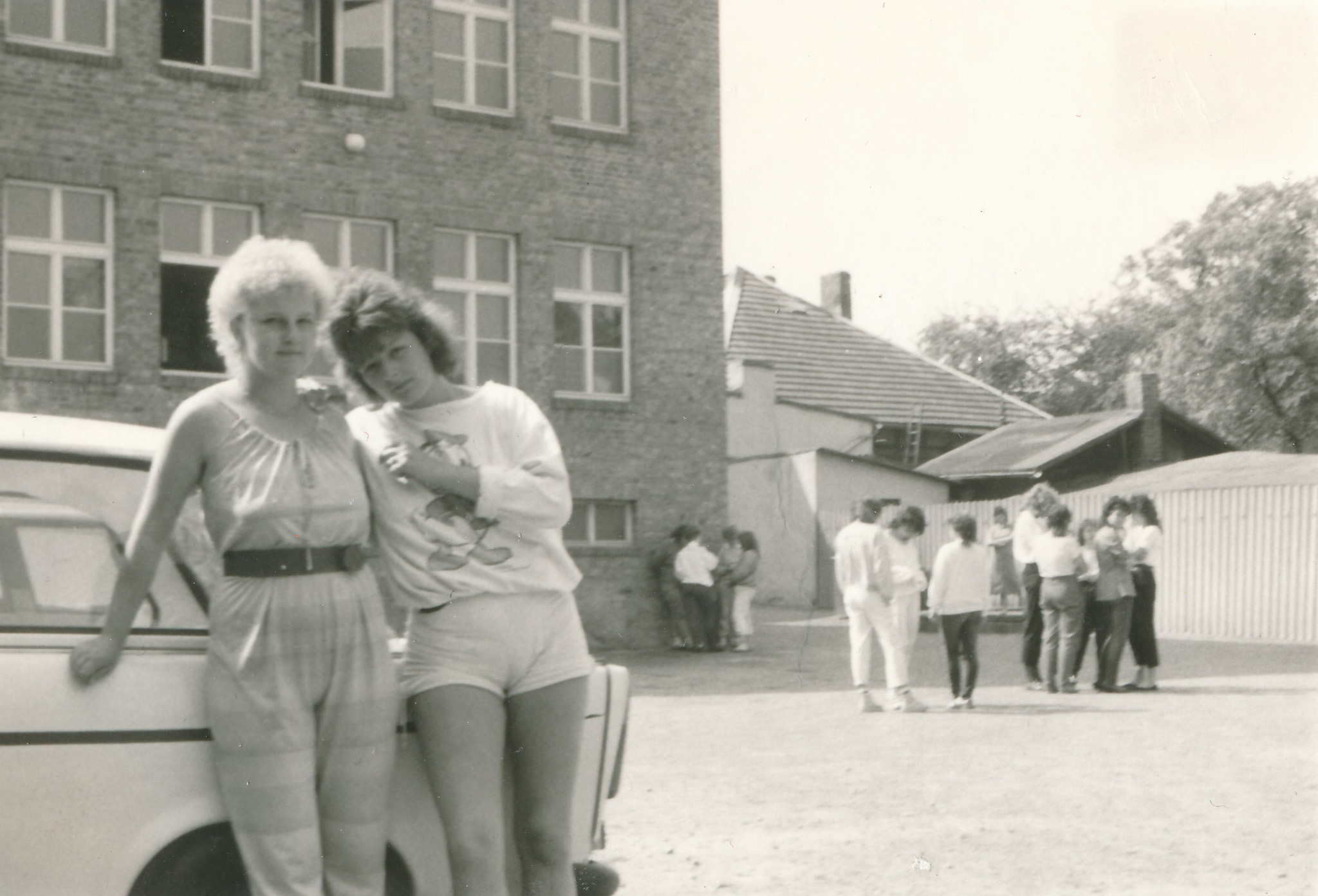
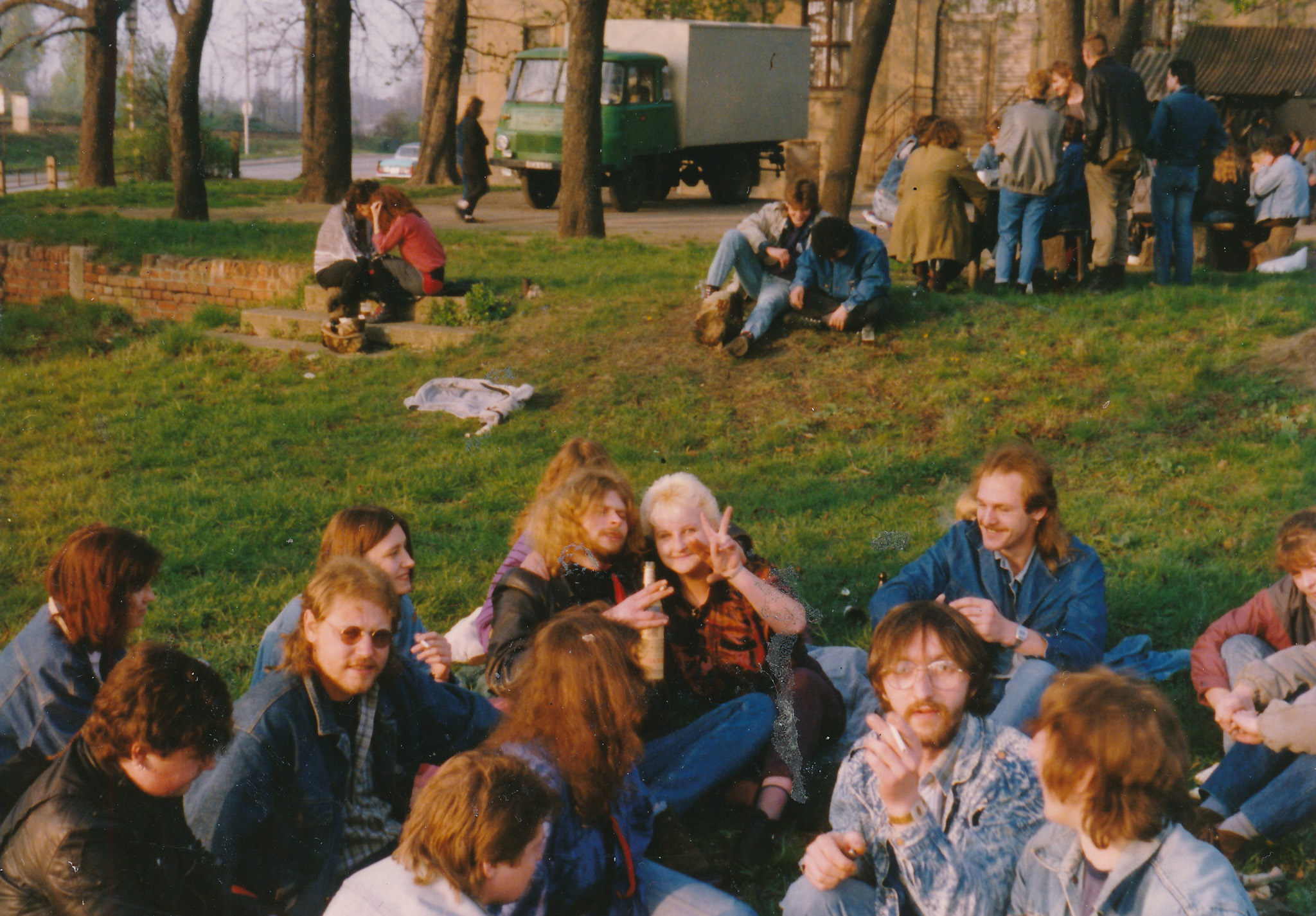
Katrin Berger, née Zöller, was born in the East German village of Rosslau on 28 February 1970. Her father was a West German, so she received an untypical upbringing for an East German while experiencing various forms of injustice in school. Matters got worse when she exited the FDJ (Freie Deutsche Jugend, the local equivalent of the Socialist Youth Union). She trained as a lab technician in the dairy industry but eventually preferred to work as a crane operator. From about the age of 16, she knew she did not want to live in a communist state. She went to weekend blues festivals with like-minded people, and in 1989 she took part in anti-regime protests. Following an unsuccessful attempt to escape via Hungary, she finally decided to try to escape via German Embassy in Prague with a group of friends. She spent a few days at the embassy at the end of September 1989 in a special, almost family-like atmosphere. On 1 October 1989 following a speech by the Federal Foreign Minister Hans Dietrich Genscher, she was on the first train with East German refugees who were allowed to leave for safety in the West. She contacted her aunt and immediately got a job in a dairy in Coesfeld. When her parents came to visit her at Christmas that year, her father kissed the ground at the station. Despite a warm welcome from colleagues and everyone else, Katrin returned to the former East Germany in 1992, married in 2019, and lived in Dessau.